
 미리보기
미리보기
 공유하기
공유하기 공유하기
공유하기
 상세 정보
상세 정보 가이드 보기

 다운로드
다운로드
 유사 작품 더 보기
 X-레이
X-레이 슬라이드 쇼 보기
 질의응답
질의응답 통계 정보
통계 정보Pheasant Shooting

- 47.0 x 61.0 cm


 더 보기
더 보기
지클레 / 아트 프린트
빠른 제작과 다양한 마감 옵션을 제공하는 박물관 수준의 지클레이 및 캔버스 프린트. ( 수작업 채색 복제본 주문하기 디지털 이미지로 전환)




P118B ₩10

P118H ₩10

P118W ₩10

P438Z ₩10

P508JH ₩12

P508YH ₩12

P805H ₩10

P805Z ₩10

P919BZ ₩10

P919G ₩10

P919XJ ₩10

P959ZH ₩10

P968JZ ₩12

W106C ₩8

W218G ₩10

W218JH ₩8

W218Y ₩10

W307PJ ₩10

W316G ₩10

W316PJ ₩8

W316Y ₩10

W398PJ ₩8

W4111J ₩10

W500HY ₩15

W500JH ₩15

W692G ₩12

W849H ₩8

W940BG ₩15

W953PJ ₩8




작품의 원본 비율을 그대로 유지하는 프리셋 사이즈 중에서 선택해 보세요.

액자나 벽면 크기에 맞춰 필요한 가로와 세로 길이를 입력해 주세요. 프린트는 원본 이미지보다 크게 제작할 수 없으며 오직 자르는 것만 가능하므로, 비율이 다른 사이즈를 선택할 경우 이미지의 일부가 잘려 나갈 수 있습니다. 인쇄 작업에 들어가기 전, 최종 확인을 위해 디지털 목업을 보내드립니다. 이 페이지에 표시된 이미지는 실제 잘리는 영역을 나타내지 않으며, 오직 목업을 통해서만 정확한 확인이 가능합니다.


 유리 옵션은 110cm 미만 크기에서만 선택 가능합니다.

Pheasant Shooting
지클레 / 아트 프린트
복제본 크기
-


최종 결제 금액
₩ 108677
The Thrill of the Chase: A Masterpiece of Sporting Art
In the quiet, dappled light of the English countryside, time seems to suspend itself within James Barenger’s 1831 masterpiece, Pheasant Shooting. This evocative oil on canvas is far more than a mere depiction of a sporting event; it is a window into the soul of nineteenth-century British tradition. As the viewer gazates upon the scene, they are immediately drawn into the tension of the hunt, where the rustle of underbrush and the rhythmic panting of hounds feel almost audible. Barenger, a pioneer of the English School, utilizes his profound understanding of animal anatomy and natural light to capture that fleeting, breathless moment when the hunter prepares to discharge his flintlock, and the birds are flushed from their woodland sanctuary.
The composition is a masterclass in balanced energy. Positioned toward the left of the frame, the hunter stands as the focal point of human intent, yet he is inextricably linked to the natural world around him. His loyal companions—three dogs spread across the canvas—act as visual anchors that guide the eye through the thicket. One hound presses forward near the center, another lingers to the left, and a third explores the periphery to the right, creating a sense of movement that mimics the unpredictable path of the quarry. This strategic arrangement ensures that the viewer’s gaze does not rest in one place but instead wanders through the lush, textured landscape, mirroring the very search conducted by the hunter himself.
Technique and the Art of Realism
What distinguishes Barenger’s work is his meticulous attention to the minute details of the natural world, a skill likely inherited from his father’s precision in metal chasing. In Pheasant Shooting, every element—from the coarse texture of the dog's fur to the delicate play of light on the hunter's attire—is rendered with an almost scientific accuracy. The artist employs a rich, vibrant palette that breathes life into the English woods, using deep greens and earthy browns to create depth, while sudden highlights suggest the sun breaking through a dense canopy. This mastery of light and shadow, or chiaroscuro, lends a three-dimensional quality to the subjects, making the scene feel remarkably tactile.
For the discerning collector or interior designer, this painting offers an unparalleled sense of prestige and historical weight. The piece embodies the "Sporting Art" genre, which was the height of sophistication during the 19th century, representing a period when the landed gentry celebrated their connection to the land and the seasonal rhythms of country life. Bringing a high-quality reproduction of this work into a space does not merely decorate a wall; it introduces a narrative of heritage, elegance, and the timeless allure of the great outdoors.
An Emotional Legacy for Modern Interiors
Beyond its technical brilliance, Pheasant Shooting resonates on an emotional level through its depiction of companionship and focus. There is a profound sense of harmony in the relationship between the man and his dogs, a silent pact of trust and shared purpose that transcends the centuries. This theme of connection makes the artwork particularly compelling for contemporary settings, where it can serve as a sophisticated centerpiece in a study, a library, or a grand dining room.
Whether you are an art historian captivated by the evolution of the English School or a decorator seeking to infuse a room with the warmth and character of a bygone era, this painting serves as an exquisite inspiration. It invites contemplation of the natural world and celebrates the artistry required to freeze a moment of high drama forever in oil. To possess a reproduction of Barenger’s work is to hold a piece of history, rendered with the passion and precision that only a true master could command.
질의응답
"Pheasant Shooting"은(는) 빛과 어둠의 균형을 어떻게 맞추고 있나요?
James Barenger의 "Pheasant Shooting"의 밝기는 balanced로 기록되었으며, 휘도는 Soft Shadow입니다.
James Barenger의 "Pheasant Shooting"은(는) 어떤 색채 조화를 보여주나요?
James Barenger의 "Pheasant Shooting"은(는) Unified Palette 색채 조화를 보여줍니다.
"Pheasant Shooting"은(는) 어떤 감정을 전달하나요?
James Barenger의 "Pheasant Shooting"에 담긴 정서적 톤은 Dramatic입니다. 이는 작품이 전달하는 감정을 요약한 것입니다.
작가 정보
The Master of the English Hunt: The Life and Legacy of James Barenger
In the dappled sunlight of the early nineteenth-century English countryside, few artists captured the pulse of the hunt and the quiet majesty of the animal kingdom as vividly as James Barenger. Born on Christmas Day in 1780 within the industrious enclave of Kentish Town, London, Barenger was destined for a life steeped in artistic precision. He was the son of James Barenger Snr., a celebrated metal chaser whose meticulous skill in portraying insects for the Royal Academy provided a foundational blueprint for his son’s later mastery of anatomical realism. This familial lineage of craftsmanship meant that from his earliest years, Barenger viewed the natural world not merely as scenery, and certainly not as mere decoration, but as a subject requiring scientific accuracy and profound emotional resonance.
Barenger’s artistic evolution was a journey from the delicate landscapes of his youth to the robust, muscular energy of equestrian portraiture. While he initially found footing as a landscape artist, his true calling emerged through his fascination with the movement and spirit of horses and hounds. By the time he made his formal debut at the Royal Academy in 1807, he had begun to cultivate a style that would define him: a seamless blend of naturalism and narrative tension. His work did not simply sit static upon the canvas; it breathed with the rhythmic panting of hounds and the nervous twitch of a horse's ear, capturing those fleeting, breathless moments of the chase that defined the sporting culture of his era.
Technique, Texture, and the Sporting Tradition
What truly distinguishes Barenger’s oeuvre is his unparalleled ability to render texture and light with an almost tactile quality. Whether he was depicting the coarse, wiry fur of a hunting dog or the sleek, shimmering coat of a bay mare, his brushwork conveyed a deep understanding of organic matter. In masterpieces such as Pheasant Shooting, one can sense the tension of the hunt through his strategic use of composition. He utilized the lush, textured underbrush to guide the viewer’s eye, creating a sense of depth that mirrors the very search conducted by the hunter. This mastery of light and shadow—the interplay of sunbeams piercing through thick woodland canopy—allowed him to elevate sporting scenes from mere documentation to high art.
His influence extended far beyond the walls of private galleries, reaching the wider public through the burgeoning medium of print. Barenger’s paintings were frequently reproduced in prestigious sporting publications of the day, including:
- W. H. Scott’s British Field Sports
- The Sporting Repository
- The Annals of Sporting
- The Sporting Magazine
These engravings, often executed by skilled hands like those of his brother Samuel or W. H. Scott himself, ensured that Barenger’s depictions of legendary animals, such as the famed Blucher, became iconic images within British sporting history. His work served as a visual record of an aristocratic way of life, immortalizing the breeds and the traditions of the English landed gentry.
A Lasting Impression on the English School
Though his life was tragically short, ending in 1831, James Barenger left behind a legacy that solidified his position within the prestigious English School of painting. He moved through the artistic circles of London with distinction, securing commissions from influential families like the Tattersall family, whose patronage allowed him to pursue his passion for animal breeding and fine art simultaneously. His life was a testament to the synergy between observation and execution; he lived much of his life as an avid breeder, a pursuit that undoubtedly informed the anatomical perfection found in his canvases.
Today, Barenger is remembered not merely as an illustrator of hunts, but as a pioneer who brought a new level of dignity and scientific rigor to animal painting. His ability to imbue his subjects with individual character—transforming a mere horse into a portrait of strength and grace—ensures that his work remains a vital chapter in the history of British realism. Through his eyes, we continue to witness the timeless, evocative beauty of the natural world and the enduring spirit of the English sporting tradition.

James Barenger
1780 - 1831
작가 정보 요약
- Artistic Movement Or Style: Early American Art
- Artists Or Movements Influenced By This Artist: ['British School']
- Artists Who Influenced This Artist: ['Dutch Masters']
- Date Of Birth: 1780
- Date Of Death: 1831
- Full Name: James Barenger
- Nationality: English
- Notable Artworks: ['Blucher']
- Place Of Birth: Kentish Town, London
관련 콘텐츠
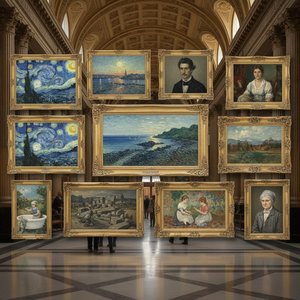
19th Century Masterpieces: 10 Paintings That Defined an Era | OriginalUniqueArt
Journey through 19th century art with OriginalUniqueArt! Explore 10 iconic paintings – from Monet & Renoir to Courbet – and discover the stories behind Romanticism, Realism & Impressionism. Find museum-quality reproductions for your home decor. Explore the full collection online!

존 컨스터블 대표작 25선: 영국 풍경화의 거장, 자연과 감성을 담은 명화 컬렉션 | OriginalUniqueArt
존 컨스터블 대표작 25선을 만나보세요. 영국 풍경화 거장의 자연주의 회화, 데담 밸리의 아름다움과 헤이 웨인의 정취를 담은 명화를 감상하세요. OriginalUniqueArt에서 고품질 예술 작품 복제본을 소장하고 특별한 인테리어를 완성해보세요. 지금 바로 컬렉션을 탐험하세요!
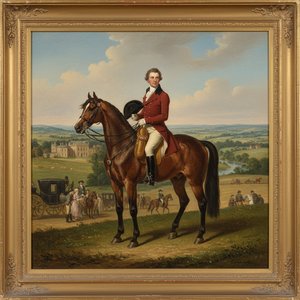
Sr. John E. Ferneley: Equestrian Portraiture & England's Social Fabric
Explore the captivating world of Sr. John E. Ferneley, a master of British sporting art. Discover his exquisite equestrian paintings & insights into 19th-century society. Invest in timeless masterpieces with OriginalUniqueArt.
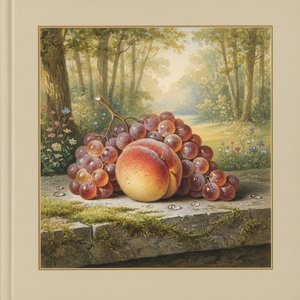
William Henry Hunt: Luminosity & Detail in Early 19th-Century Watercolour Painting
Explore the captivating watercolour paintings of William Henry Hunt (1790-1864). Discover his mastery of naturalistic detail, luminous technique & influence on 19th-century art. Learn about collecting Hunt's work and its enduring value.
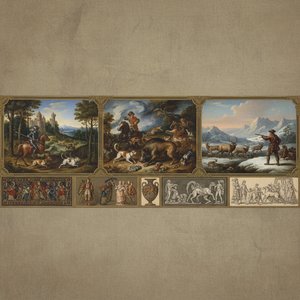
The Pursuit of Power & Prestige: Hunting Scenes in Western Art
Explore the rich history of hunting scenes in Western art, from royal pursuits to powerful allegories. Discover masterpieces & expert insights for discerning collectors. OriginalUniqueArt offers museum-quality reproductions.