프린트 판매로 전환
 더 보기
더 보기







































 가로 또는 세로 중 어느 한 면이라도 105cm(약 41인치)를 초과하는 작품이나 복제화의 경우, 프레임은 분해된 키트 형태로 배송됩니다. 이는 안전한 배송을 보장하고 운송 중 발생할 수 있는 손상을 방지하기 위함입니다.


A Poetic Symphony of Sensation and Nature
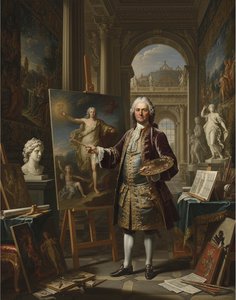
In the quiet mastery of Jacques Linard’s 1627 masterpiece, The Five Senses and the Four Elements, we are invited into a world where the physical and the metaphysical dance in perfect equilibrium. This exquisite work serves as more than a mere collection of objects; it is a profound meditation on the human experience and the fundamental building blocks of our universe. As one gazes upon the canvas, the eye is immediately drawn to the intricate arrangement of symbols that bridge the gap between the tangible world and the abstract concepts of perception. Linard, a pioneer of French still life, utilizes a delicate, almost lyrical composition to guide the viewer through a sensory journey, making each element feel like a vital note in a grand, silent symphony.
The painting is a marvel of allegorical storytelling, where every object serves a dual purpose. On the left, a bird takes flight, its presence acting as a window to the sense of sight, while the center of the composition holds two elegant vases—vessels that breathe life into the senses of smell and taste. To the right, the tactile reality of an apple offers a grounded connection to the sense of touch. Yet, Linard’s genius lies in how he weaves the four classical elements into this sensory tapestry. A flickering flame represents fire, a fish glides through the suggestion of water, a potted plant anchors the earth, and the very air is captured by the movement of a bird soaring above. This layering of meaning creates a rich, intellectual depth that rewards repeated viewing, offering a complex puzzle of beauty and science.
The Artistry of the Baroque Still Life
Technically, this work exemplifies the burgeoning sophistication of 17th-century French painting. Linard moves away from simple documentation, instead employing a technique that emphasizes texture, light, and shadow to create a sense of three-dimensional reality. The interplay of light upon the glass of a wine glass—which perhaps hints at both taste and the heat of fire—demonstrates a remarkable command over luminosity. His ability to render the soft feathers of a bird alongside the smooth skin of an apple showcases a versatility that was ahead of its time, blending the scientific curiosity of the age with a deeply emotive aesthetic.
For the discerning collector or interior designer, this piece offers an unparalleled opportunity to introduce a sense of historical grandeur and intellectual intrigue into a space. A high-quality reproduction of this work does not merely decorate a wall; it anchors a room with a conversation piece that speaks of heritage, philosophy, and the timeless beauty of the natural world. Whether placed in a sunlit library or a sophisticated contemporary gallery, The Five Senses and the Four Elements brings an atmosphere of contemplative elegance, inviting all who encounter it to pause, reflect, and reconnect with the profound wonders of existence.
질의응답
Jacques Linard의 "The Five Senses and the Four Elements"의 수작업 복제화를 판매하는 곳이 어디인가요?
Jacques Linard의 "The Five Senses and the Four Elements"의 수작업 복제화는 이 사이트의 수작업 유화 복제화 페이지를 통해 리넨 캔버스에 손으로 직접 그린 유화 복제화에서 구매하실 수 있습니다.
Jacques Linard의 "The Five Senses and the Four Elements"의 형태와 크기는 어떻게 되나요?
"The Five Senses and the Four Elements"의 형식은 Landscape이며, 원작의 크기는 105 x 153 cm입니다. 두 정보 모두 복제본 제작을 계획할 때 유용합니다.
Jacques Linard의 "The Five Senses and the Four Elements"은(는) 어떤 미술 사조에 속하나요?
Jacques Linard의 "The Five Senses and the Four Elements"은(는) Baroque 사조에 속하며, 이 사조는 해당 작품의 양식적 배경을 잘 보여줍니다.
이 작품에 대해 더 알아보기
 미리보기
미리보기
 공유하기
공유하기 공유하기
공유하기
 상세 정보
상세 정보 가이드 보기

 다운로드
다운로드
 유사 작품 더 보기
 X-레이
X-레이 슬라이드 쇼 보기
 질의응답
질의응답 통계 정보
통계 정보