실제 크기로 보기
 보내기
보내기 공유하기
공유하기
 상세 보기
상세 보기 가이드 보기

 이미지 다운로드
 유사 작품 더 보기
 X-레이
X-레이 슬라이드 쇼 보기
 통계 정보
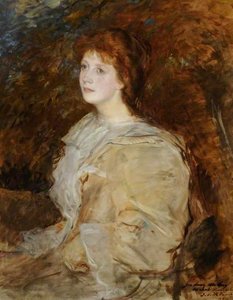
통계 정보L Hôte
 Acrylic On Canvas
- WallArt
- Cubism
 1892
1892 220.0 x 290.0 cm
 Musée des Beaux-Arts de Rouen
 상세 보기
상세 보기
지클레 / 아트 프린트
빠른 제작과 다양한 마감 옵션을 선택할 수 있는 박물관 수준의 지클레이 및 캔버스 프린트. ( 수작업 채색 복제본 주문하기 디지털 이미지 판매 채널로 전환)




P118B ₩10

P118H ₩10

P118W ₩10

P438Z ₩10

P508JH ₩12

P508YH ₩12

P805H ₩10

P805Z ₩10

P919BZ ₩10

P919G ₩10

P919XJ ₩10

P959ZH ₩10

P968JZ ₩12

W106C ₩8

W218G ₩10

W218JH ₩8

W218Y ₩10

W307PJ ₩10

W316G ₩10

W316PJ ₩8

W316Y ₩10

W398PJ ₩8

W4111J ₩10

W500HY ₩15

W500JH ₩15

W692G ₩12

W849H ₩8

W940BG ₩15

W953PJ ₩8




작품의 원본 비율을 그대로 유지하는 프리셋 사이즈 중에서 선택해 보세요.

액자나 벽면 크기에 맞춰 필요한 가로와 세로 길이를 입력해 주세요. 프린트는 원본 이미지보다 크게 제작할 수 없으며 오직 자르는 것만 가능하므로, 비율이 다른 사이즈를 선택할 경우 이미지의 일부가 잘려 나갈 수 있습니다. 인쇄 작업에 들어가기 전, 최종 확인을 위해 디지털 목업을 보내드립니다. 이 페이지에 표시된 이미지는 실제 잘리는 영역을 나타내지 않으며, 오직 목업을 통해서만 정확한 확인이 가능합니다.


 유리 옵션은 110cm 미만 크기에서만 선택 가능합니다.

L Hôte
지클레 / 아트 프린트
복제본 규격
-


총 결제 금액
₩ 109488
L'Hôte by Jacques Emile Blanche – A Portrait of Parisian Elegance
Jacques-Émile Blanche’s “L’Hôte” (The Host) stands as a quintessential emblem of Belle Époque Paris, capturing not merely a likeness but an atmosphere—a palpable sense of refined social interaction and intellectual curiosity. Painted in 1892, this monumental oil on canvas measuring 220 x 290 cm resides at the Musée Des Beaux Arts in Rouen, France, offering viewers a glimpse into a bygone era defined by artistic innovation and aristocratic refinement. Blanche’s distinctive style—characterized by loose brushwork and a muted palette—immediately distinguishes itself from the more polished conventions of his contemporaries. He eschewed meticulous detail in favor of conveying emotion and capturing the subtle nuances of human expression, techniques honed during his formative years alongside luminaries like Édouard Manet and Whistler.A Masterful Blend of Realism and Symbolism
Blanche’s artistic approach transcends mere representation; it delves into symbolism to illuminate deeper themes concerning identity and social dynamics. The composition itself is carefully orchestrated—the central figures seated around a dining table dominate the canvas, their gaze directed outwards, suggesting contemplation and engagement with the world beyond the immediate setting. Notably absent are chairs positioned strategically behind the guests, an element that has been interpreted as representing those excluded from this privileged circle – perhaps individuals deemed unworthy of inclusion or simply those whose presence wasn’t considered essential to the narrative. This deliberate omission underscores Blanche's astute observation of societal hierarchies and his ability to communicate complex ideas through visual cues.Technique and Color Palette: Echoes of Impressionism
The painting’s execution showcases Blanche’s mastery of Impressionist techniques. Thick, visible brushstrokes imbue the canvas with texture and movement, mirroring the fleeting impressions of light and atmosphere that were central to the artistic movement. Blanche employed a restrained color scheme—primarily dominated by warm browns and ochres—creating a cozy and inviting ambiance reminiscent of candlelight illumination. These muted hues contribute to the painting’s emotional resonance, fostering a sense of intimacy and conveying the quiet dignity of the subjects depicted. The artist skillfully blended pigments to achieve subtle gradations of tone, enhancing the illusion of depth and capturing the nuances of light reflecting off surfaces.Historical Context: Parisian Society at Its Zenith
“L’Hôte” was created during Paris's golden age—the Belle Époque (roughly 1871-1914)—a period marked by unprecedented artistic creativity, economic prosperity, and cultural dynamism. Blanche himself was deeply embedded in the intellectual milieu of his time, surrounded by writers, artists, and thinkers who championed progressive ideas and challenged traditional conventions. The painting reflects this spirit of experimentation and celebrates the pursuit of beauty and knowledge—values that were paramount to Parisian society during Belle Époque. It serves as a testament to Blanche’s ability to capture not only the visual appearance of his subjects but also the intellectual and social currents shaping their lives.Emotional Impact: Capturing Inner Life
Ultimately, “L’Hôte” succeeds in conveying profound emotional depth. Blanche's portraits are renowned for capturing the inner life of his subjects—their personalities, aspirations, and vulnerabilities—with remarkable sensitivity. The gaze of the figures is imbued with quiet contemplation, hinting at unspoken thoughts and emotions. This masterful portrayal speaks to the enduring power of art to illuminate human experience and transcends time, inviting viewers to contemplate themes of identity, social status, and the complexities of human relationships. Blanche’s legacy continues to inspire artists today who strive to achieve similar levels of psychological insight and artistic virtuosity.질의응답
Musée des Beaux-Arts de Rouen에 소장된 "L Hôte"의 복제권 범위는 어떻게 되나요?
자크 에밀 블랑슈의 "L Hôte"의 저작권 상태는 명확합니다. 이 작품은 퍼블릭 도메인 - 저작권 보호 기간이 만료되었습니다 상태이며, Musée des Beaux-Arts de Rouen에 소장되어 있다는 사실이 해당 상태를 변경하지 않습니다.
"L Hôte"이(가) 공간에 어떤 분위기를 선사할까요?
자크 에밀 블랑슈의 "L Hôte"은(는) Elegant 분위기를 자아내며, Living Room에 추천하는 작품입니다. 무드란 작품이 주변 공간에 선사하는 정취를 의미합니다.
자크 에밀 블랑슈의 "L Hôte"의 채도와 강도는 어떠한가요?
"L Hôte"의 채도는 Muted이며, 색채 강도는 Monochromatic입니다.
작가 소개
초기 생애와 교육
자크-에밀 블랑슈는 1861년 1월 1일 프랑스 파리에서 성공한 의사 가문에서 태어났습니다. 그는 파시 지역에서 부유한 가정들과 저명한 예술가들로 둘러싸인 채 성장했습니다. 블랑슈의 아버지 에밀 블랑슈는 유명한 병리학자였으며 아들의 예술적 재능을 격려했습니다. 어린 시절 자크-에밀은 에두아르 마네를 비롯한 많은 유명 작가 및 화가를 만나게 되었는데, 이들은 후에 그의 작품에 큰 영향을 미치게 되었습니다. 블랑슈는 주로 독학으로 그림을 배웠지만 앙리 제르벡스와 페르디낭 움베르로부터도 지도를 받았습니다. 1881년, 그의 그림 중 하나가 살롱 데 아티스트 프랑세에 선정되면서 성공적인 예술 경력의 시작을 알렸습니다. 평생 동안 블랑슈는 살롱에 많은 작품을 제출하고 다양한 명성 있는 협회에서 전시회를 열었습니다. 그의 작품은 느슨한 붓놀림과 제한된 색상 팔레트를 특징으로 하여 그의 초상화와 풍경화에 독특한 인상주의적 느낌을 주었습니다.예술 경력 및 스타일
블랑슈의 스타일은 그가 존경했던 에두아르 마네와 제임스 맥닐 휘슬러의 영향을 받았습니다. 이들과 마찬가지로 블랑슈는 모델의 진실을 포착하려고 노력했으며, 종종 대담하고 표현력이 풍부한 붓놀림을 사용하여 그들의 개성을 전달했습니다. “마르셀 프루스트 초상”과 같은 우아한 여성과 남성의 초상화는 그의 섬세함과 통찰력으로 유명합니다. 루앙 미술관은 블랑슈의 작품을 인상적으로 소장하고 있으며, 그의 전통과 현대 사이의 균형 감각을 보여줍니다. 그는 단순한 외모 묘사를 넘어 피사체의 내면 세계를 드러내는 데 집중했습니다. 블랑슈는 빛과 색채의 미묘한 변화를 활용하여 분위기를 조성하고 감정을 불러일으키는 데 능숙했습니다. 그의 작품은 종종 사회적 지위와 사교 생활을 반영하며, 벨 에포크 시대 파리의 화려함과 우아함을 담고 있습니다.주요 작품 및 전시회
블랑슈의 주요 작품으로는 음악과 감정의 본질을 포착하는 능력을 보여주는 “크로이처 소나타”, 인간의 미묘한 특징을 강조하는 그의 기술을 보여주는 “헨리 제임스 초상”, 도시와 사람들에 대한 그의 사랑을 보여주는 “런던 풍경” 시리즈가 있습니다. 이 작품들과 더불어 많은 작품들이 OriginalUniqueArt.com에서 찾아볼 수 있으며, 예술 애호가들은 블랑슈의 작품 세계를 자세히 탐구할 수 있습니다. 그는 또한 회화뿐만 아니라 문학에도 관심을 기울여 비평과 에세이를 통해 자신의 예술적 견해를 표현했습니다. 그의 글은 종종 동시대 예술계에 대한 통찰력 있는 분석과 날카로운 관찰을 담고 있으며, 예술가로서의 그의 다재다능함을 보여줍니다.영향 및 유산
자크-에밀 블랑슈는 1942년 9월 30일에 세상을 떠났지만, 우아하고 인상주의적인 그림으로 구성된 유산을 남겼습니다. 그의 작품은 섬세함, 표현력, 그리고 디테일에 대한 주의로 계속해서 찬사를 받고 있습니다. 화가이자 작가, 비평가로서 블랑슈는 예술계에 중요한 기여를 했으며, 독특한 스타일과 접근 방식으로 미래 세대에 영감을 주었습니다. 그는 인물화의 전통적인 틀을 깨고 피사체의 심리적 깊이를 탐구하는 데 앞장섰습니다. 그의 작품은 벨 에포크 시대 파리의 사회적 분위기와 예술적 감성을 반영하며, 오늘날에도 많은 사람들에게 사랑받고 있습니다. 블랑슈는 단순한 재능 있는 화가를 넘어, 자신의 시대를 통찰력 있게 기록하고 예술의 새로운 가능성을 제시한 선구자였습니다. 그의 작품은 회화 기법과 문학적 깊이의 조화로운 결합을 보여주며, 예술사에서 중요한 위치를 차지합니다. 더 많은 정보를 원하시면 위키피디아(위키피디아)를 방문하거나 OriginalUniqueArt.com(OriginalUniqueArt.com)에서 그의 작품을 탐험해 보세요.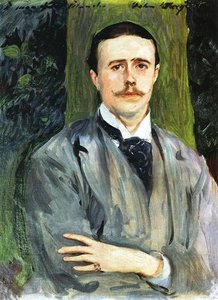
자크 에밀 블랑슈
1861 - 1942 , 프랑스
작가 정보 요약
- Artistic Movement Or Style: 인상주의
- Artists Or Movements Influenced By This Artist: ['토머스 게인즈버러']
- Artists Who Influenced This Artist:
- 에두아르 마네
- 제임스 맥닐 휘슬러
- Date Of Birth: 1861년 1월 1일
- Date Of Death: 1942년 9월 30일
- Full Name: Jacques Émile Blanche
- Nationality: 프랑스인
- Notable Artworks (List Of Titles):
- 크로이처 소나타
- 마르셀 프루스트 초상화
- Place Of Birth (City And Country): 프랑스 파리
관련 기사

Echoes of 1875: Art, Culture & the Belle Époque's Pivotal Moment
Explore the art & culture of 1875 Paris – a pivotal year for Impressionism & the Belle Époque. Discover Degas, Béraud, Stewart & more with OriginalUniqueArt's expert insights.
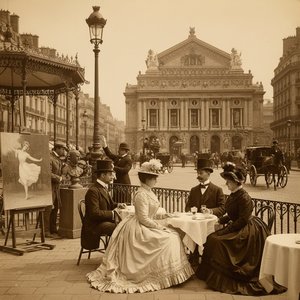
Echoes of 1882: Art, Culture & the Belle Époque's Lasting Impression
Explore the art & culture of the Belle Époque! Discover Impressionism, Realism, and iconic Parisian paintings from Degas, Béraud & more. High-quality reproductions at OriginalUniqueArt.

Giovanni Boldini: A Study in Belle Époque Portraiture & the Cult of Personality
Explore the captivating world of Giovanni Boldini, master of Belle Époque portraiture. Discover his signature style, iconic works like 'Miss Bell,' and lasting influence on art history. Expert analysis for collectors.
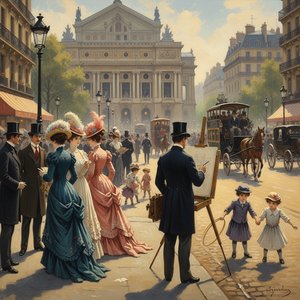
Jean-Georges Béraud: Capturing Parisian Life in the Belle Époque
Explore the captivating world of Jean-Georges Béraud, master painter of Belle Époque Paris. Discover his iconic scenes, artistic evolution, and social commentary. A deep dive into 19th-century French art.
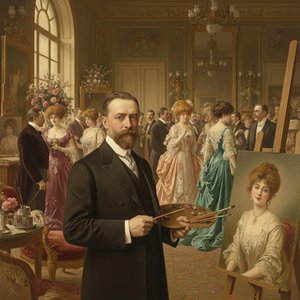
Jacques-Émile Blanche: Capturing Belle Époque Society & the Cult of Personality
Explore the captivating portraits of Jacques-Émile Blanche, a master Impressionist who captured the essence of Belle Époque society in Paris and London. Discover his unique style & lasting legacy.