

 미리보기
미리보기
 프린트 구매
 공유하기
공유하기 공유하기
공유하기
 상세 정보
상세 정보

 다운로드
다운로드
 유사 작품
유사 작품 X-레이
X-레이 슬라이드 쇼
Wooded Landscape
 Dutch Golden Age
 101.0 x 144.0 cm
 더 보기
더 보기




































작품의 원본 비율을 유지하는 미리 설정된 크기 중에서 선택하세요.

특정 프레임이나 공간에 맞도록 직접 크기를 입력할 수 있습니다. 선택하신 크기가 원본 이미지의 비율과 일치하지 않는 경우, 작품을 자르거나 추가적인 손으로 그린 요소를 사용하여 그림을 확장합니다. 제작 시작 전 승인을 위해 디지털 목업을 보내드립니다.
화면 미리 보기는 실제 자르기 또는 확장을 반영하지 않습니다. 최종 구성은 목업을 통해서만 정확하게 확인하실 수 있습니다.
맞춤 크기 제작도 가능하지만, 원본 비율을 유지하기 위해 사전 정의된 목록에서 크기를 선택하시는 것을 권장합니다.
주문 후 OriginalUniqueArt.com 팀에서 상세 안내를 위해 고객님께 이메일을 보내드리며, 미리보기 시안을 제공해 드립니다.


 유리 옵션은 110cm 미만 크기에서만 선택 가능합니다.

Wooded Landscape
재현 기법
복제본 크기
-


최종 결제 금액
$ 325
작가 약력
A Brussels Master of Woodland Scenes: The Life and Art of Jacques d’Arthois
Jacques d'Arthois, born in Brussels in 1613, emerged during a vibrant period for Flemish art—a time when landscape painting was steadily gaining prominence alongside the established traditions of portraiture and history. While not as widely celebrated as some of his contemporaries, d’Arthois carved out a significant niche for himself with his meticulously detailed depictions of wooded landscapes populated by figures engaged in everyday life or pastoral pursuits. His career unfolded against a backdrop of political and religious upheaval, yet he managed to cultivate a consistent style that resonated with patrons seeking both beauty and tranquility in their surroundings. Apprenticed to Jan Mertens in 1625, the specifics of his early training remain somewhat obscure; however, it’s clear that d'Arthois quickly developed an affinity for rendering the natural world with remarkable precision. He entered the Brussels Guild of St. Luke in 1634, marking a formal recognition of his artistic abilities and establishing him as a professional painter within the city’s thriving art community.The Tapestry Designer and the Pastoral Ideal
D'Arthois wasn’t solely dedicated to easel painting; he also achieved considerable success as a tapestry designer, becoming a chartered cartoon designer for the city of Brussels in 1655. This dual role is significant because it illuminates his broader artistic sensibilities—his ability to translate compositions from one medium to another and his understanding of decorative principles. Tapestry design demanded a clarity of form and narrative that likely influenced his paintings, encouraging him to create scenes that were both visually compelling and easily interpretable. His landscapes often evoke a sense of idealized harmony, reflecting the pastoral ideal prevalent in 17th-century art—a longing for a simpler, more virtuous existence rooted in nature. The woods around Brussels served as his primary source of inspiration, and he frequently depicted them with a keen eye for atmospheric effects and subtle variations in light and shadow. Figures were often added to his compositions by other artists, notably David Teniers the Younger and Gonzales Coques, creating collaborative works that showcased both d’Arthois's landscape expertise and the figure painters’ skill in animating the scenes.Influences and Artistic Development
Tracing the influences on d’Arthois’s style reveals a complex interplay of artistic traditions. Early works demonstrate a clear debt to Lodewijk de Vadder, another prominent Brussels landscape painter whose compositions often featured similar wooded settings and figure groupings. However, d'Arthois gradually developed his own distinctive voice, characterized by a greater emphasis on detail and a more refined sense of atmospheric perspective. The influence of Denis van Alsloot is also discernible in his early paintings, particularly in the rendering of trees and foliage. As he matured, d’Arthois began to experiment with larger-scale landscapes, responding to a growing demand for decorative works that could adorn churches and abbeys. These ambitious compositions required a sophisticated understanding of spatial organization and a mastery of color and tone. While documentary evidence is limited, it's believed that Cornelis Huysmans may have spent time in d’Arthois’s workshop around 1650, though the extent of his influence remains uncertain.A Legacy of Imitation and Historical Significance
Jacques d’Arthois enjoyed a successful career during his lifetime, attracting commissions from both private patrons and religious institutions. He owned several houses, including one in the Sonian Forest—a testament to his prosperity and connection to the natural world he so often depicted. Despite experiencing financial difficulties later in life, his artistic reputation remained strong. His influence extended beyond Brussels, as evidenced by the presence of pupils who emulated his style and disseminated his aesthetic principles throughout the region. While no works are definitively signed by either his brother Nicolaes or his son Jan Baptist, it is believed that many paintings attributed to Jacques d’Arthois were actually created by these family members. This ambiguity underscores the challenges inherent in attributing 17th-century Flemish landscapes, but it also highlights the enduring appeal of d'Arthois’s style—a style that was widely imitated and followed by other landscape artists for generations. His contribution lies not in radical innovation, but in his skillful execution of a beloved genre and his ability to capture the beauty and tranquility of the Belgian countryside. He represents a vital link in the development of Flemish landscape painting, bridging the gap between earlier traditions and the more sophisticated approaches that would emerge in the following centuries.
jacques d' arthois
1619 - 1686 , Belgium
주요 정보
- Artists Or Movements Influenced By This Artist: ['']
- Artists Who Influenced This Artist: ['']
- Date Of Birth: 1619
- Date Of Death: 1686
- Notable Artworks: ['']
- Place Of Birth: WahooArt
관련 기사 더 보기

Golden Light & Dutch Skies: The Timeless Magic of Dutch Golden Age Landscapes
Discover the breathtaking beauty of Dutch Golden Age landscapes. Explore the mastery of light, chiaroscuro, and 17th-century realism through an expert art history lens, celebrating the enduring legacy of the Dutch Masters for discerning collectors and art lovers.

Masterpieces of Light: A Definitive Guide to the Landscapes of the Dutch Golden Age
Discover the luminous mastery of Dutch Golden Age landscapes. Our expert guide explores the atmospheric realism of masters like Van Goyen and Cuyp. Elevate your space with museum-quality, hand-painted oil reproductions from OriginalUniqueArt.com. Art history, beautifully realized.

네덜란드 황금 시대 예술의 정수를 담은 10대 걸작 탐구
렘브란트, 베르메르의 걸작부터 할스의 인물화까지! 네덜란드 황금시대 미술의 10대 명품을 만나보세요. 예술적 깊이와 아름다움을 담은 작품들을 OriginalUniqueArt에서 감상하고, 고품질 아트 프린트로 당신의 공간에 특별함을 더하세요. 지금 바로 OriginalUniqueArt.com에서 모든 걸작을 발견하세요!

Golden Light & Dutch Skies: Bringing the Magic of Dutch Golden Age Landscapes into Your Home
Transform your home with the breathtaking light of Dutch Golden Age landscapes. Discover how hand-painted oil reproductions of masterworks like Ruisdael and Vermeer bring timeless elegance, atmosphere, and soulful texture to modern interiors. Elevate your space with museum-quality art.
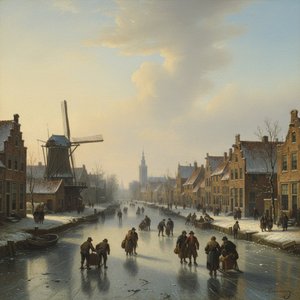
Charles Leickert: Capturing the Dutch Golden Age Light – A Comprehensive Study of Technique, Context, and Legacy
Explore the captivating winter landscapes of Charles Leickert, a master of Dutch Golden Age light & atmosphere. Discover his techniques, symbolism, and lasting legacy – a comprehensive study for art enthusiasts and collectors.

