프린트 판매로 전환
 더 보기
더 보기







































 가로 또는 세로 중 어느 한 면이라도 105cm(약 41인치)를 초과하는 작품이나 복제화의 경우, 프레임은 분해된 키트 형태로 배송됩니다. 이는 안전한 배송을 보장하고 운송 중 발생할 수 있는 손상을 방지하기 위함입니다.


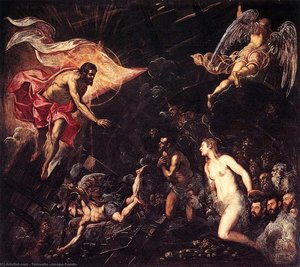
A Venetian Drama Illuminated: Exploring Jacopo Tintoretto’s “Christ”
Jacopo Tintoretto, born Jacopo Robusti in Venice around 1518, stands as a titan amongst the artists of the High Renaissance and early Baroque – an individual whose legacy continues to captivate scholars and inspire awe. Unlike many contemporaries who honed their craft under established masters like Titian, Tintoretto forged his own path with remarkable tenacity, driven by an unwavering curiosity and a relentless pursuit of artistic innovation. While brief encounters with Titian’s tutelage reportedly yielded discord—whether stemming from stylistic disagreements or personal friction remains debated—this formative experience propelled Tintoretto toward independent exploration, characterized by audacious experimentation and a singularly dynamic visual language. He immersed himself in the meticulous study of human anatomy, meticulously dissecting cadavers to achieve unprecedented realism, and this dedication would become a cornerstone of his distinctive style.- Subject Matter: The artwork depicts Christ—a central figure within Christian iconography—presented in an elaborate architectural setting reminiscent of Venetian churches. The scene portrays Jesus’s ascension or resurrection, capturing the triumphant return of divine grace amidst sorrowful contemplation.
- Style: Tintoretto's style embodies the Baroque aesthetic – a dramatic departure from Renaissance ideals prioritizing balance and harmony. He eschewed linear perspective in favor of swirling compositions that convey movement and emotion, utilizing chiaroscuro—the masterful manipulation of light and shadow—to heighten visual impact.
- Technique: Tintoretto primarily employed oil paint on canvas, applying thick impasto brushstrokes to create textured surfaces that pulsate with energy. His innovative approach involved layering pigments in multiple glazes, achieving luminous colors and unparalleled depth – a technique that distinguishes him from his peers and elevates the artwork’s expressive power.
Composition & Visual Language: Baroque Dynamism Unleashed
Tintoretto's compositional choices are deliberately unsettling, rejecting traditional conventions to prioritize emotional resonance. The scene unfolds within a grand architectural space—columns and arches dominate the frame—creating a claustrophobic yet majestic backdrop for the figures depicted. Numerous saints and mourners surround Christ, arranged in complex poses that convey grief and reverence. Notably absent is consistent linear perspective; instead, Tintoretto employs a flattened pictorial space, intensifying the drama and emphasizing the centrality of Christ’s figure. This stylistic decision reflects the Baroque preoccupation with conveying psychological states—fear, sorrow, faith—rather than merely representing reality accurately.Color Palette & Light: Mastering Chiaroscuro
The artwork's monochromatic palette—primarily shades of gray—serves as a deliberate counterpoint to the vibrant hues favored by Venetian artists like Titian. However, Tintoretto transcends mere grayscale through his masterful use of chiaroscuro – the dramatic interplay between light and dark – transforming the scene into a theatrical spectacle. Intense highlights illuminate Christ’s face and drapery, drawing the viewer's eye toward the focal point while simultaneously plunging the surrounding figures into shadow, amplifying their emotional expressions. This technique underscores Tintoretto’s genius for capturing not just visual appearance but also psychological depth.Symbolism & Emotional Impact: Reverence and Triumph
The artwork resonates deeply with Christian symbolism—the kneeling figures embody humility and devotion before divine majesty. Christ's posture exudes serenity amidst sorrow, representing the ultimate triumph of faith over suffering. Tintoretto’s deliberate disregard for conventional artistic standards underscores his ambition to evoke profound emotional responses in the viewer – a testament to his enduring influence on Baroque art and its legacy in Western culture. The artwork invites contemplation on themes of redemption, compassion, and spiritual aspiration—a timeless message conveyed with breathtaking artistry.질의응답
틴토레토의 "Christ"에서 느껴지는 감정은 무엇인가요?
틴토레토의 "Christ"은(는) Somber 분위기를 자아냅니다.
"Christ"의 Baroque Drama에는 어떤 국가적 배경이 담겨 있나요?
"Christ"은 작가의 탄생지를 통해 Baroque Drama 사조와 이탈리아를 연결합니다.
틴토레토의 "Christ"의 특징적인 기법과 화풍은 무엇인가요?
틴토레토의 "Christ"은 Acrylic On Canvas 기법과 Baroque Drama 양식이 결합된 작품입니다. 기법과 양식은 작품의 제작 방식과 예술적 스타일을 나타냅니다.
이 작품에 대해 더 알아보기
 미리보기
미리보기
 공유하기
공유하기 공유하기
공유하기
 상세 정보
상세 정보 가이드 보기

 다운로드
다운로드
 유사 작품 더 보기
 X-레이
X-레이 슬라이드 쇼 보기
 질의응답
질의응답 통계 정보
통계 정보