

 미리보기
미리보기
 공유하기
공유하기 공유하기
공유하기
 상세 정보
상세 정보

 다운로드
다운로드
 유사 작품
유사 작품 X-레이
X-레이 슬라이드 쇼
 통계 정보
통계 정보Nativity
 Acrylic On Paper
- WallArt
- Northern Renaissance
 1440
1440 290.0 x 427.0 cm
 루브르 박물관
 더 보기
더 보기
수제 유화 복제품
원하는 크기와 액자로 주문 제작되는, 작가들이 직접 캔버스에 손으로 그린 유화 작품입니다. ( 프린트 판매로 전환 디지털 이미지로 전환)




P118B $10

P118H $10

P118W $10

P438Z $10

P508JH $12

P508YH $12

P805H $10

P805Z $10

P919BZ $10

P919G $10

P919XJ $10

P959ZH $10

P968JZ $12

W106C $8

W218G $10

W218JH $8

W218Y $10

W307PJ $10

W316G $10

W316PJ $8

W316Y $10

W398PJ $8

W4111J $10

W500HY $15

W500JH $15

W692G $12

W849H $8

W940BG $15

W953PJ $8




작품의 원본 비율을 유지하는 미리 설정된 크기 중에서 선택하세요.

특정 프레임이나 공간에 맞도록 직접 크기를 입력할 수 있습니다. 선택하신 크기가 원본 이미지의 비율과 일치하지 않는 경우, 작품을 자르거나 추가적인 손으로 그린 요소를 사용하여 그림을 확장합니다. 제작 시작 전 승인을 위해 디지털 목업을 보내드립니다.
화면 미리 보기는 실제 자르기 또는 확장을 반영하지 않습니다. 최종 구성은 목업을 통해서만 정확하게 확인하실 수 있습니다.
맞춤 크기 제작도 가능하지만, 원본 비율을 유지하기 위해 사전 정의된 목록에서 크기를 선택하시는 것을 권장합니다.
주문 후 OriginalUniqueArt.com 팀에서 상세 안내를 위해 고객님께 이메일을 보내드리며, 미리보기 시안을 제공해 드립니다.


 유리 옵션은 110cm 미만 크기에서만 선택 가능합니다.

Nativity
재현 기법
복제본 크기
-


최종 결제 금액
$ 350
A Moment of Grace: Jacopo Bellini’s 1440 Nativity
Jacopo Bellini's 1440 “Nativity,” a monochrome drawing rendered in the meticulous style characteristic of Northern Renaissance art, offers a profoundly intimate and deeply symbolic depiction of one of Christianity’s most cherished narratives. Far removed from the opulent color palettes often associated with Venetian painting during this period, Bellini’s choice of grayscale – achieved through masterful hatching and cross-hatching techniques – lends an austere beauty to the scene, emphasizing texture and form rather than vibrant hues. The drawing isn't merely a representation of the birth of Christ; it’s a carefully constructed tableau brimming with religious significance and technical brilliance.
The composition centers on a humble wooden shelter, radiating a quiet warmth against the implied chill of the surrounding landscape. Within this modest space, Mary, Joseph, and the infant Jesus are depicted with remarkable realism – their faces etched with tenderness and vulnerability. Bellini’s attention to detail is astonishing; observe the intricate folds of Mary's garments, the rough texture of the wooden beams supporting the shelter, and the soft wool of the animals gathered around the scene: a cow and sheep, symbols of fertility and pastoral life. The inclusion of shepherds, traditionally associated with divine guidance, further reinforces the narrative’s themes of humility and faith.
The Language of Line: Technique and Style
Bellini's technique is undeniably rooted in the Northern Renaissance tradition, particularly influenced by the work of Albrecht Dürer. The artist demonstrates a profound understanding of linear perspective, creating a sense of depth through layering and overlapping elements rather than relying on dramatic foreshortening. This approach lends the scene a grounded, almost photographic quality – a testament to Bellini’s keen observational skills. The meticulous lines defining architectural details, clothing textures, and facial features are executed with an unwavering precision that speaks volumes about his dedication to his craft.
The use of hatching and cross-hatching is particularly noteworthy. These techniques aren't simply employed for shading; they’re integral to the creation of texture. The wood grain of the shelter, the woolly coats of the animals, and even the subtle nuances of skin tones are all rendered through a complex interplay of lines, demonstrating Bellini’s mastery of tonal value and his ability to evoke tactile sensations on paper. The diffused lighting, achieved through careful manipulation of shadow, further enhances the three-dimensionality of the scene, imbuing it with a sense of quiet realism.
Symbolism and Spiritual Resonance
Beyond its technical merits, “Nativity” is rich in symbolic meaning. The prominent eagle perched atop the shelter serves as a potent emblem – often interpreted as a symbol of divine protection or vigilance, watching over the sacred event unfolding below. The animals represent the natural world’s connection to God and his grace. The scene itself embodies themes of humility, faith, and divine intervention—core tenets of Christian theology. Bellini doesn't simply depict a historical event; he captures a moment of profound spiritual significance, inviting contemplation on the miracle of birth and the promise of salvation.
A Timeless Masterpiece: Reproduction Possibilities
OriginalUniqueArt offers meticulously hand-painted reproductions of Jacopo Bellini’s “Nativity,” capturing the essence of this remarkable drawing with unparalleled fidelity. Each reproduction is created by skilled artists who understand and appreciate the nuances of Bellini's technique, ensuring that every detail – from the delicate hatching to the subtle tonal variations – is faithfully reproduced. Whether you seek a stunning addition to your art collection or a unique piece for your interior design scheme, our “Nativity” reproductions provide an authentic and evocative representation of this timeless masterpiece.
작가 약력
르네상스 원근법의 베네치아 개척자
야코포 벨리니는 베네치아와 북부 이탈리아에서 꽃피운 르네상스 회화 양식의 태동기 속에서 결코 빼놓을 수 없는 중추적인 인물로 자리 잡고 있습니다. 그는 단순히 그림을 그리는 화가에 머물지 않았습니다. 자연에 대한 세밀한 관찰력과, 당시 베네치아 미술에서는 거의 찾아볼 수 없었던 선원근법을 능숙하게 도입함으로써 예술적 감수성을 새롭게 형성해낸 기초적인 혁신가였습니다. 비록 오늘날까지 전해지는 벨리니의 원본 캔버스 작품은 극히 드물어 그 영광을 온전히 마주하기 어렵지만, 그의 진정한 유산은 주로 스케치북 속에 살아 숨 쉬고 있습니다. 특히 대영박물관과 루브르 박물관에 소장된 이 스케치북들은 광활한 풍경의 전경과 정교한 건축 설계에 대한 그의 깊은 매료를 여실히 보여주며, 이후 수 세기 동안 이어질 양식적 혁명을 예고하는 예술적 작업 과정에 대한 귀중한 통찰을 제공합니다.
1396년경 베네치아에서 태어난 야코포의 형성기는 당대의 풍요롭고 장식적인 후기 고딕 전통 속에 깊이 뿌리 내리고 있었습니다. 그의 초기 교육 과정을 살펴보면, 그는 당대 가장 야심 차고 화려한 프레스코화를 남긴 거장 젠틸레 다 파브리아노의 제자였던 것으로 보입니다. 이러한 스승과의 명성 높은 인연은 벨리니에게 세밀한 묘사, 색채의 조화, 그리고 특유의 장식적 복잡함에 대한 깊은 심미안을 평생에 걸쳐 심어주었습니다. 그의 초기 경력 중 1411년에서 1412년 사이에는 폴리뇨에서 활동하며, 국제 고딕 양식을 정의했던 거장들과 함께 팔라초 트린치의 기념비적인 프레스코 작업에 참여하기도 했습니다.
르네상스의 심장을 관통한 여정
벨리니의 예술적 여정에 찾아온 결정적인 전환점은 1423년경 피렌체로 떠난 여행이었습니다. 이 여정을 통해 그는 브루넬레스키, 도나텔로, 마사초와 같은 거장들이 이끄는 강렬한 예술적 실험의 중심지에 서게 되었습니다. 피렌체에서 그는 막 태동하던 과학으로서의 선원근법을 접하게 되었고, 이 발견은 공간과 깊이를 다루는 그의 접근 방식을 근본적으로 변화시켰습니다. 베네치아적 뿌리가 지닌 서정적이고 장식적인 우아함에 피렌체 혁신가들의 구조적 엄격함과 공간적 명료함을 결합함으로써, 벨리니는 자신만의 독창적인 시각 언어를 구축하기 시작했습니다. 이러한 예술적 합일은 중세의 평면적이고 상징적인 면들을 넘어, 마치 창문을 통해 세상을 바라보는 듯한 더욱 몰입감 넘치는 묘사로 나아가는 길을 열어주었습니다.
경력이 쌓여감에 따라 벨리니는 수 세대 동안 베네치아 미술을 지배하게 될 가문의 기틀을 마련한 중심 인물이 되었습니다. 그의 영향력은 개인적인 차원을 넘어 교육적인 영역까지 미쳤는데, 그는 자신이 일구어낸 혁신들을 아들인 젠틸레와 조반니에게 전수했습니다. 빛과 풍경, 그리고 원근법에 대한 그의 실험적 씨앗들은 아들들을 통해 '벨리니'라는 이름과 결합된 르네상스 전성기의 찬란한 영광으로 꽃을 피웠습니다. 그의 작업은 과거의 장식적 전통과 미래의 인문주의적 사실주의를 잇는 가교 역할을 수행하며, 이탈리아 미술 진화 과정에서 없어서는 안 될 필수적인 연결 고리가 되었습니다.
유산과 역사적 의의
야코포 벨리니의 역사적 의의는 변화를 이끌어낸 촉매제로서의 역할에 있습니다. 비록 그의 많은 작품이 잉크와 펜이라는 친밀한 매체 속에 머물러 있지만, 그 스케치들은 베네치아 르네상스를 위한 하나의 청사진 역할을 합니다. 복잡하고 다층적인 풍경과 수학적으로 일관된 건축물을 구상해낸 그의 능력은, 후대 예술가들이 베네치아 석호의 대기적 아름다움을 탐구할 수 있는 토대를 마련해주었습니다. 벨리니를 연구한다는 것은 예술가의 눈이 깊이의 환영을 진정으로 정복하기 시작한 바로 그 순간을 목격하는 것이며, 이는 인류가 그려진 세계를 인식하는 방식을 영원히 바꾸어 놓았습니다.
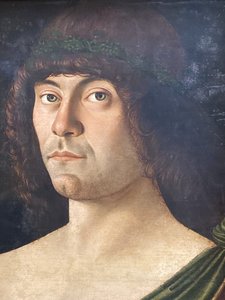
야코포 벨리니
1396 - 1470 , 이탈리아
주요 정보
- Artistic Movement Or Style: 르네상스
- Artists Or Movements Influenced By This Artist: ['마사초']
- Artists Who Influenced This Artist: ['젠틸레 다 파브리아노']
- Date Of Birth: 이탈리아 베네치아 (1396)
- Date Of Death: c. 1470
- Full Name: 야코포 벨리니
- Nationality: 이탈리아
- Notable Artworks:
- 베로나 대성당의 십자가 처형
- 성모자와 아기 예수
- Place Of Birth: 베네치아
관련 기사 더 보기

틴토레토의 걸작 25선: 베네치아 회화 거장의 드라마와 빛의 향연 | OriginalUniqueArt
틴토레토의 드라마틱한 빛과 색채가 살아 숨쉬는 걸작 25선을 만나보세요. 베네치아 회화 거장의 명작 속 역사, 기법, 그리고 영감을 느껴보세요. OriginalUniqueArt에서 고품질 유화와 아트 프린트를 감상하고 특별한 인테리어를 완성하세요. 지금 바로 컬렉션을 탐험하세요!
Late Medieval Masterpieces: 10 Artworks That Defined an Era | OriginalUniqueArt
Journey through 10 defining Late Medieval masterpieces – from Giotto's frescoes to Jan van Eyck’s realism. Explore the stories, techniques & vibrant colors of Gothic art. Find museum-quality reproductions and elevate your home decor with OriginalUniqueArt.com! Discover all masterpieces on OriginalUniqueArt.com

High Medieval Art: 10 Masterpieces That Shaped an Era | OriginalUniqueArt
Journey through High Medieval Art! Explore 10 iconic masterpieces – from Giotto's frescoes to stunning Gothic cathedrals. Discover the stories behind these timeless paintings, sculptures & illuminated manuscripts. Find museum-quality art reproductions at OriginalUniqueArt.com.

Mastering the Line: A Comprehensive Expert Guide to Technical Precision and Expressive Depth in Drawing
Elevate your artistic practice with this expert guide to mastering the line. Discover advanced techniques in graphite, charcoal, and contour drawing designed for art students seeking technical precision and expressive depth in their fine art studies.
The Nuances of Graphite: Exploring Emotional Depth & Technical Mastery in Pencil Drawing
Explore the captivating world of graphite drawing! Discover its rich history, master essential techniques like chiaroscuro, and learn how artists evoke emotion through this timeless medium. Expert insights for art enthusiasts.