프린트 판매로 전환
 더 보기
더 보기







































 가로 또는 세로 중 어느 한 면이라도 105cm(약 41인치)를 초과하는 작품이나 복제화의 경우, 프레임은 분해된 키트 형태로 배송됩니다. 이는 안전한 배송을 보장하고 운송 중 발생할 수 있는 손상을 방지하기 위함입니다.


The Satyr and the Peasant: A Flemish Baroque Masterpiece
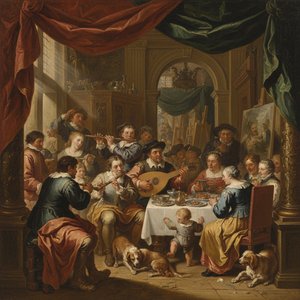
Jacob Jordaens’ “Satyr and the Peasant,” painted around 1620, isn't merely a depiction of a tavern scene; it’s a vibrant embodiment of Flemish life, a shrewd commentary on human nature, and a testament to the artist’s masterful command of light, color, and storytelling. This monumental work, now housed in the Alte Pinakothek in Munich, immediately draws the viewer into a bustling interior filled with an intoxicating blend of merriment and mischief – a scene that feels both utterly familiar and profoundly captivating.
At first glance, the painting presents a seemingly simple tableau: a satyr, his features delightfully grotesque and adorned with animalistic details, engages in a boisterous feast alongside a peasant family. A young woman, presumably the wife, is feeding her child while a man sits beside her, enjoying the revelry. Yet, beneath this surface lies a complex web of symbolism rooted in Aesop’s fable – “The Satyr and the Traveller” – which serves as the painting's central narrative thread. The fable itself warns against duplicity and inconsistency, highlighting the danger of someone who can offer warmth and kindness one moment while harboring deceitful intentions the next.
A Symphony of Light and Color
Jordaens’ technique is a cornerstone of the painting’s enduring appeal. He employs a dramatic chiaroscuro – a stark contrast between light and shadow – to sculpt the figures and create a palpable sense of depth within the room. The warm, golden light emanating from the hearth and illuminating the table creates an inviting atmosphere, while pockets of darkness suggest hidden corners and unspoken tensions. Notice how Jordaens masterfully uses color; the rich reds and browns of the furniture and clothing contrast sharply with the paler hues of the figures, drawing our attention to key elements within the composition.
The artist’s brushwork is remarkably loose and expressive, characteristic of the Flemish Baroque style. He doesn't meticulously render every detail but instead focuses on capturing the essence of each figure – their gestures, expressions, and interactions. This approach imbues the scene with a sense of immediacy and vitality, as if we are witnessing a spontaneous moment frozen in time.
Symbolism and Social Commentary
Beyond the fable’s warning against duplicity, “The Satyr and the Peasant” offers a subtle critique of social hierarchies. The satyr, representing indulgence and unrestrained pleasure, is positioned at the center of the scene, seemingly in control of the festivities. However, his behavior – blowing on his food, offering it to the peasant family – suggests a playful mockery of those in positions of authority. The peasant family, in contrast, embodies humility and simplicity, accepting the satyr’s generosity with grace.
The inclusion of a dog adds another layer of symbolism, representing loyalty and companionship. It's a small detail that subtly reinforces the painting's message about the importance of genuine connection and trust. The presence of multiple figures – men, women, children – further emphasizes the communal nature of Flemish society and the shared experience of everyday life.
A Timeless Appeal
“The Satyr and the Peasant” remains a powerfully evocative work of art centuries after its creation. Jordaens’ ability to capture the complexities of human interaction, combined with his masterful use of light, color, and symbolism, ensures that this painting continues to resonate with viewers today. It's a celebration of life, laughter, and the enduring power of storytelling – a timeless masterpiece that invites us to contemplate our own relationships and the choices we make.
Consider commissioning a high-quality reproduction to bring this remarkable scene into your home or office. It’s more than just a painting; it's a window into a vibrant past, a reminder of the joys of human connection, and a testament to the enduring legacy of Jacob Jordaens.
질의응답
야콥 요르당스의 "Satyr and Peasant"의 휘도는 어느 정도인가요?
야콥 요르당스의 "Satyr and Peasant"의 기록된 휘도는 Dark입니다.
야콥 요르당스의 "Satyr and Peasant"에는 어떤 소재가 등장하나요?
야콥 요르당스의 "Satyr and Peasant"에 담긴 주제: flemish painting, satyr, peasant, tavern scene, allegory, feast, revelry, jordaens
야콥 요르당스의 "Satyr and Peasant"에서 느껴지는 정서는 무엇인가요?
"Satyr and Peasant"은(는) Nostalgic한 분위기를 자아냅니다. 이 정서적 톤은 작품이 전달하는 인상을 설명합니다.
이 작품에 대해 더 알아보기
 미리보기
미리보기
 공유하기
공유하기 공유하기
공유하기
 상세 정보
상세 정보 가이드 보기

 다운로드
다운로드
 유사 작품 더 보기
 X-레이
X-레이 슬라이드 쇼 보기
 질의응답
질의응답 통계 정보
통계 정보