프린트 판매로 전환
 더 보기
더 보기







































 가로 또는 세로 중 어느 한 면이라도 105cm(약 41인치)를 초과하는 작품이나 복제화의 경우, 프레임은 분해된 키트 형태로 배송됩니다. 이는 안전한 배송을 보장하고 운송 중 발생할 수 있는 손상을 방지하기 위함입니다.


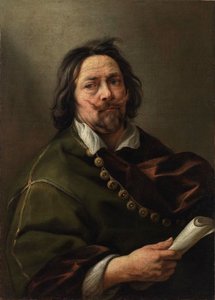
A Celebration of Rustic Joy: Jacob Jordaens’ “Pan Playing the Flute”
Jacob Jordaens' "Pan Playing the Flute," painted in 1678, is more than just a depiction of a man playing an instrument; it’s a vibrant snapshot of Flemish life during the late Baroque period. This captivating work, brimming with earthy realism and a palpable sense of merriment, offers a rare glimpse into the world as seen through the eyes of one of Flanders' most significant artists. Jordaens, deeply rooted in his Antwerp surroundings, eschewed the fashionable Italianate trends of his time, instead choosing to celebrate the simple pleasures and unvarnished truths of everyday existence – a decision that cemented his reputation as “The Painter of Peasant Revelry.” The painting’s immediate appeal lies in its subject: a naked Pan, the Greek god of the wild, lost in the joyous act of playing his flute. This figure, rendered with remarkable detail and a touch of mischievous humor, immediately draws the viewer into a scene of uninhibited delight.
A Masterclass in Baroque Realism
Jordaens’ technical skill is immediately apparent in the meticulous rendering of textures – the rough linen of Pan's loincloth, the smooth curve of his flute, and the subtle variations in skin tone. His brushwork is loose yet controlled, creating a sense of movement and spontaneity that contributes significantly to the painting’s lively atmosphere. The artist employs a technique known as *alla prima*, or ‘at first sight,’ which means he applied paint directly to the canvas with minimal layering, resulting in a rich, vibrant surface. This approach, favored by Rubens himself – Jordaens' former master – is evident in the luminous quality of the light and the dynamic interplay of shadows. The composition itself is carefully constructed, utilizing diagonal lines to guide the eye across the scene and creating a sense of depth and perspective that was highly valued during the Baroque period.
Symbolism and Context: A Flemish Feast
“Pan Playing the Flute” isn’t simply a portrait; it's imbued with symbolic meaning rooted in classical mythology and Flemish social customs. Pan, representing nature and rustic joy, embodies a rejection of courtly refinement in favor of a more primal connection to the earth. The presence of two additional figures – one on the left and another on the right – adds layers of complexity. These individuals, likely friends or companions, further amplify the sense of communal revelry. The painting’s creation in 1678, at the very end of Jordaens' life, is particularly poignant. It reflects a desire to capture a fleeting moment of happiness and connection before his own passing, aligning with the Baroque fascination with mortality and the transience of earthly pleasures. The work speaks to the values of the Antwerp art world – a celebration of human experience in all its forms.
Emotional Impact and Artistic Legacy
The enduring appeal of “Pan Playing the Flute” lies not only in Jordaens’ masterful technique but also in its ability to evoke a powerful emotional response. The painting's inherent joy, combined with the figure of Pan’s carefree expression, invites viewers to share in his moment of blissful abandon. Jordaens’ work has had a lasting impact on art history, influencing generations of artists who sought to capture the essence of human experience with honesty and passion. Today, this reproduction offers an opportunity to own a piece of this artistic legacy – a testament to Jordaens' genius and a celebration of the simple joys of life.
질의응답
"Pan playing the flute"의 Portrait 형식은 어디에 전시하는 것이 가장 좋을까요?
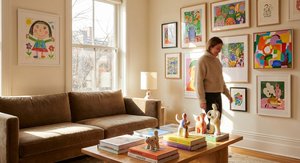
Portrait 형태의 "Pan playing the flute" 복제 작품은 Living Room에 배치하시기에 좋습니다.
야콥 요르당스의 "Pan playing the flute"의 방문객 분포는 어떻게 되나요?
야콥 요르당스의 "Pan playing the flute"의 방문 통계 페이지에서는 해당 작품의 월간 방문 수, 작가의 최고 조회 작품과의 비교, 그리고 방문자 유입 경로 등 공개된 방문 통계를 제공합니다.
"Pan playing the flute"의 재료와 화풍은 무엇인가요?
"Pan playing the flute"에서 Oil 기법은 Baroque 사조와 만납니다.
이 작품에 대해 더 알아보기
 미리보기
미리보기
 공유하기
공유하기 공유하기
공유하기
 상세 정보
상세 정보 가이드 보기

 다운로드
다운로드
 유사 작품 더 보기
 X-레이
X-레이 슬라이드 쇼 보기
 질의응답
질의응답 통계 정보
통계 정보