
 미리보기
미리보기
 공유하기
공유하기 공유하기
공유하기
 상세 정보
상세 정보

 다운로드
다운로드
 유사 작품
유사 작품 X-레이
X-레이 슬라이드 쇼
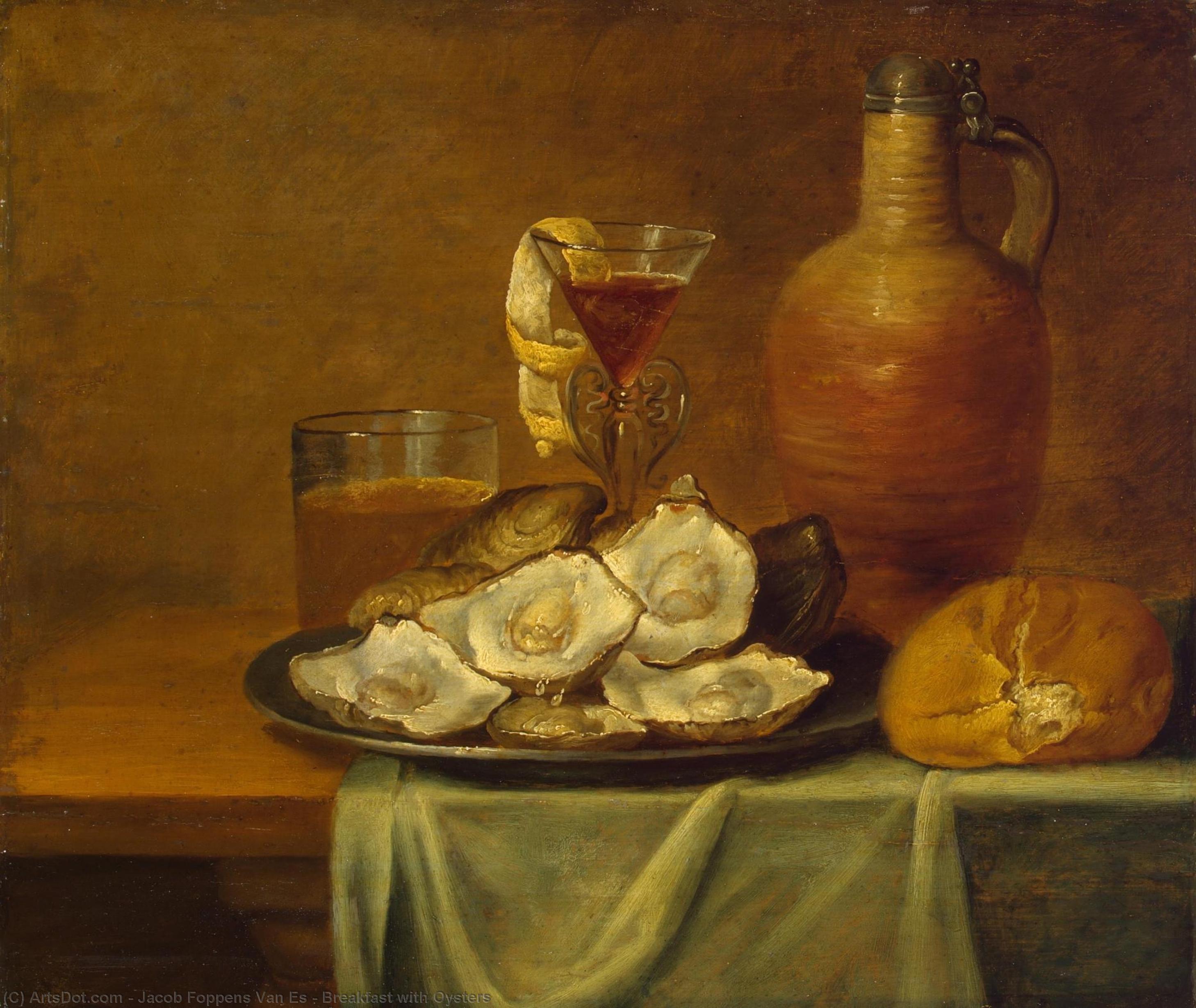
Breakfast with Oysters


 더 보기
더 보기
온라인 미리보기보다 훨씬 뛰어난 품질의 고해상도 디지털 이미지를 구매해 보세요.
각 파일은 사내 전문가가 고급 도구와 숙련된 수동 리터칭 기술을 사용하여 세심하게 준비합니다. 우리는 모든 이미지가 탁월한 선명도, 정확한 색상 재현력, 그리고 미세한 디테일까지 완벽하게 갖추도록 보장합니다.
최종 파일은 전문적인 편집 및 인쇄 환경에서 즉시 사용할 수 있도록 최적화되어 72시간 이내에 이메일로 발송됩니다. 이는 세계적인 디자인 스튜디오, 출판사 및 갤러리가 신뢰하는 것과 동일한 품질입니다.
디지털 이미지
개인 소장 및 전시, 인쇄, 창작 프로젝트를 위한 고해상도 파일을 다운로드하세요. ( 프린트 구매 손으로 그린 그림 구매)
모든 디지털 이미지 주문에 포함된 혜택
전문적인 디지털 이미지 전송 보장
OriginalUniqueArt.com를 선택하시면 단순히 이미지를 받는 것을 넘어, 정밀한 보정 과정을 거친 전문적인 디지털 예술 작품을 만나보실 수 있습니다. 모든 작품에는 만족 보장 서비스가 함께 제공되며, 주문 시 다음과 같은 사항들이 자동으로 포함됩니다:

빠른 이메일 전송
주문 후 72시간 이내에 고해상도 디지털 이미지 파일이 이메일로 발송되며, 즉시 사용하실 수 있습니다.

AI 기술로 향상된 디지털 파일
귀하의 작품은 고급 AI 도구와 수동 편집 과정을 거쳐 전문적으로 최적화되며, 이를 통해 디테일과 선명도, 색상의 정확도를 극대화합니다.

평생 무료 재전송 서비스
파일을 실수로 삭제하거나 분실하셨나요? 걱정 마세요. 언제든 무료로 다시 보내드립니다.

추가 수입 비용 없음 - 언제나
관세나 부가세, 배송비 부담 없이 작품을 즉시 감상하세요 - 디지털 다운로드는 언제나 면세 혜택이 적용됩니다.

정확한 색상 보장
전문적인 도구와 색상 관리 시스템을 통해 디지털 이미지가 원본의 색상을 최대한 정확하게 구현하도록 보장합니다.

60일 만족 보장제
구매하신 디지털 이미지에 만족하지 못하실 경우, 60일 이내에 수정 또는 100% 환불을 진행해 드립니다 - 어떠한 문의도 필요 없습니다.

100% 환불 보장
만족하지 못하셨나요? 디지털 파일을 수령하신 후 60일 이내라면 별도의 이유를 밝힐 필요 없이 전액 환불해 드립니다.

대량 주문 할인
이미지 3매 구매 시 10% 할인 - 5매 구매 시 15% 할인 - 10매 이상 구매 시 20% 할인. 크리에이티브 프로젝트, 갤러리, 에이전시에 매우 유용합니다.
수집품 상세 설명
A Symphony of Indulgence: The Art of the Flemish Still Life
In the quiet, evocative depths of Jacob Foppens van Es’s Breakfast with Oysters, we are invited into a moment of profound sensory indulgence. Painted around 1645, this masterpiece serves as a window into the opulent breakfast traditions of the Flemish Baroque era. The composition is not merely a depiction of food, but a carefully choreographed dance of textures and light. Scattered across the table, the iridescent shells of oysters catch the soft, ambient glow, their rugged surfaces contrasting beautifully with the smooth, translucent clarity of a wine glass nestled in the center. A solitary bottle stands sentinel among the remnants of the meal, suggesting a narrative of leisure that has been unfolding long before the viewer arrived and will continue long after we turn away.
The technique employed by Van Es is nothing short of miraculous, showcasing the meticulous precision that defined his contribution to the first generation of Flemish still-life painting. Every element—from the damp sheen on a discarded shell to the liquid amber captured within the glass—is rendered with an almost hyper-realistic devotion. As a master of the genre, Van Es utilized subtle gradations of light and shadow to create a sense of three-dimensional volume, pulling the viewer’s eye through the arrangement. This mastery of chiaroscuro lends the scene a tactile quality; one can almost feel the cool, briny texture of the oysters and the weight of the glassware, making the painting an immersive experience that transcends the flat surface of the canvas.
Symbolism and the Elegance of the Everyday
Beyond its aesthetic splendor, Breakfast with Oysters carries the intellectual weight characteristic of the Dutch and Flemish Baroque period. In the seventeenth century, still lifes were rarely just about the objects themselves; they were laden with symbolism regarding wealth, mortality, and the fleeting nature of pleasure. The oyster, often associated with luxury and fertility, sits alongside the wine as a testament to the prosperity of the merchant classes from which Van Es emerged. Yet, there is an underlying vanitas quality present in the scattered shells—a gentle reminder that even the most decadent feasts are ephemeral. This tension between the celebration of abundance and the quiet contemplation of transience provides the painting with its profound emotional resonance.
For the discerning collector or interior designer, this work offers more than just a historical artifact; it provides a focal point of sophisticated elegance. The muted, earthy palette and the intimate scale of 34 x 45 cm make it an ideal piece for creating a sense of curated history within a modern space. Whether placed in a sunlit dining room to evoke a sense of classical luxury or in a quiet study to inspire contemplation, a high-quality reproduction of this work brings with it the prestige of the Antwerp masters. It is an invitation to slow down, to appreciate the beauty in the small details, and to surround oneself with the enduring legacy of Flemish artistry.
작가 소개
Jacob Foppens van Es (1596–1666): The Elegance of Still Life
Jacob Foppens van Es, Jacob Fopsen van Es or Jacob van Es was a Flemish Baroque painter known for his still lifes mainly of food and occasionally flower paintings. He collaborated with other artists on garland paintings. Together with Osias Beert and Clara Peeters, he was one of the leading representatives of the first generation in Flemish still-life painting. His meticulous depictions of fruit, flowers, and everyday objects captured a refined aesthetic that reflected the intellectual currents of his time. Despite scarce biographical information, Foppens van Es’s legacy rests on his contribution to the burgeoning genre of Dutch Baroque art.Early Life and Training
Detailed records concerning Jacob Foppens van Es' birth date remain elusive, though scholarly estimates place it around 1596 in Antwerp. Born into a prosperous merchant family—Willem van Balen and Machteld van Alten—he benefited from considerable financial resources that facilitated his artistic education. Unlike many artists of the era who honed their skills abroad, Foppens van Es received training primarily within Antwerp’s Guild of Saint Luke, marking him as part of a vibrant artistic milieu. The absence of documentation regarding his formative years underscores the challenges faced by historians reconstructing the lives of artists during this period. However, evidence suggests he studied under Adam van Noort and possibly Maerten de Vos, absorbing stylistic influences that would shape his distinctive oeuvre.Style and Technique: Embracing Nature’s Beauty
Foppens van Es' artistic style is characterized by a profound respect for nature—a hallmark of the Flemish Baroque tradition. His still lifes eschewed ostentation in favor of understated elegance, prioritizing meticulous observation and skillful rendering of textures and colors. He excelled at capturing the subtle nuances of light and shadow, creating images that seemed to breathe with life. Like his contemporaries Osias Beert and Clara Peeters, Foppens van Es championed the “breakfast still life,” a genre that celebrated the bounty of the harvest and elevated commonplace objects into subjects of artistic contemplation. His technique involved layering thin glazes over a preparatory underpainting—a method perfected by Rubens and other masters—resulting in luminous surfaces and remarkable depth.Notable Works: Garland Paintings and Floral Representations
Among Foppens van Es’s most celebrated achievements are his garland paintings, commissioned by influential patrons like Cardinal Federico Borromeo to commemorate the destruction of religious images during the Reformation. These works exemplify the genre's fusion of artistic innovation and theological symbolism—a testament to Foppens van Es’s ability to synthesize aesthetic beauty with moral conviction. His floral compositions stand apart for their remarkable simplicity and freshness, reflecting a fascination with botanical detail and an intuitive understanding of color harmony. The “Iris and Three Roses” garland, housed in the Fondation Custodia in Paris, exemplifies this artistic vision—a masterful distillation of natural forms into a harmonious visual experience. Furthermore, his collaboration with Jan Brueghel the Elder on similar projects solidified Foppens van Es’s position as a leading figure within Antwerp's artistic community.Legacy and Influence
Jacob Foppens van Es’s influence extended beyond his immediate contemporaries, shaping the stylistic trajectory of subsequent generations of Flemish painters. His meticulous approach to observation—a cornerstone of Baroque art—inspired artists like Anthony van Dyck, who studied under him and adopted a similar aesthetic sensibility. Moreover, Foppens van Es's dedication to capturing the beauty of everyday life contributed to the genre’s enduring appeal, cementing his place as one of the most important practitioners of Flemish Baroque still-life painting. His legacy continues to resonate today, reminding us of the power of art to elevate the mundane into the sublime and to convey profound insights into the human condition.
jacob foppens van es
1596 - 1666
주요 정보
- Artistic Movement Or Style: Baroque
- Artists Or Movements Influenced By This Artist: ['Anthony van Dyck']
- Artists Who Influenced This Artist: ['Adam van Noort']
- Date Of Death: 17 July 1632
- Full Name: Hendrick van Balen I
- Nationality: Flemish
- Notable Artworks:
- The Iconography
- Garland painting
- Place Of Birth: Antwerp

