
 미리보기
미리보기
 공유하기
공유하기 공유하기
공유하기
 상세 정보
상세 정보

 다운로드
다운로드
 유사 작품
유사 작품 X-레이
X-레이 슬라이드 쇼
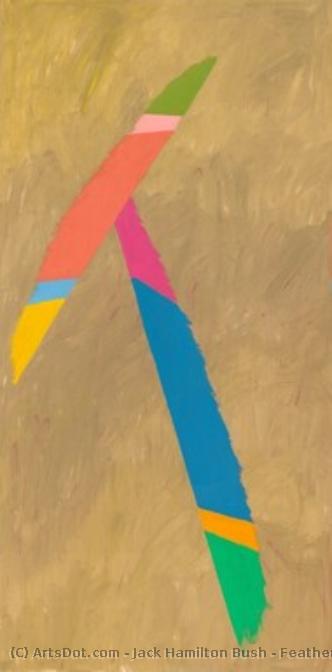
Feathers
 1974
1974 229.0 x 115.0 cm
 더 보기
더 보기
수제 유화 복제품
원하는 크기와 액자로 주문 제작되는, 작가들이 직접 캔버스에 손으로 그린 유화 작품입니다. ( 프린트 주문으로 전환 이미지로 전환)




































작품의 원본 비율을 유지하는 미리 설정된 크기 중에서 선택하세요.

특정 프레임이나 공간에 맞도록 직접 크기를 입력할 수 있습니다. 선택하신 크기가 원본 이미지의 비율과 일치하지 않는 경우, 작품을 자르거나 추가적인 손으로 그린 요소를 사용하여 그림을 확장합니다. 제작 시작 전 승인을 위해 디지털 목업을 보내드립니다.
화면 미리 보기는 실제 자르기 또는 확장을 반영하지 않습니다. 최종 구성은 목업을 통해서만 정확하게 확인하실 수 있습니다.
맞춤 크기 제작도 가능하지만, 원본 비율을 유지하기 위해 사전 정의된 목록에서 크기를 선택하시는 것을 권장합니다.
주문 후 OriginalUniqueArt.com 팀에서 상세 안내를 위해 고객님께 이메일을 보내드리며, 미리보기 시안을 제공해 드립니다.


 유리 옵션은 110cm 미만 크기에서만 선택 가능합니다.

Feathers
재현 기법
복제본 크기
-


최종 결제 금액
$ 300
작가 약력
Early Life and Commercial Work
Jack Hamilton Bush (1909-1977) was a Canadian abstract painter who emerged as one of the foremost figures in Color Field painting and Post-painterly abstraction. Born in Toronto, Ontario, his formative years were marked by exposure to both urban sophistication and rural landscapes—influences that would permeate his artistic vision throughout his life. Bush’s father established Rapid Electro Type Company, where he began his professional career as a commercial illustrator at the age of 19, honing skills in graphic design alongside his passion for visual art. This dual engagement shaped his understanding of artistic expression and its role within broader cultural contexts. From 1942 until his retirement in 1968, Bush collaborated with Leslie Wookey and William Winter to build a successful commercial art firm, demonstrating an entrepreneurial spirit that complemented his creative pursuits. During this period he attended Charles Comfort's weekly life model drawing sessions, hosted in Comfort’s studio in Toronto. These formative experiences instilled in him a meticulous attention to detail—a characteristic that would later translate into the precision of his abstract compositions.Influences and Artistic Development
Bush’s artistic trajectory was profoundly shaped by several key influences. Like many Canadian artists of his generation, he initially absorbed stylistic elements from European Modernism, particularly Impressionism and Cubism—though crucially avoiding the dominant trends of Surrealism. However, it was Henri Matisse who exerted a lasting impact on Bush's aesthetic sensibilities. Matisse’s unwavering commitment to expressive color and simplified forms served as an inspiration for Bush’s own exploration of abstraction. Furthermore, Bush recognized the significance of American abstract expressionist painters such as Helen Frankenthaler and Morris Louis—artists who championed spontaneity and textural innovation. Observing their work in New York City in 1950 ignited a transformative shift within Bush's artistic approach. He began to experiment with techniques that prioritized color relationships over representational accuracy, mirroring the ethos of Color Field painting. This pivotal moment cemented his association with Kenneth Noland and Jules Olitski—artists who shared a similar vision for conveying emotion through pure pigment.Painters Eleven and Recognition
Bush’s artistic journey gained momentum in 1953 when he joined Painters Eleven, a collective founded by William Ronald to propel abstract painting within Canada. This group fostered an environment of intellectual exchange and collaborative experimentation—encouraging Bush to refine his palette, technique, and conceptual framework. Clement Greenberg, a prominent American art critic, became a mentor to Bush during this period, advocating for stylistic minimalism and prioritizing the emotional impact of visual experience. Greenberg’s guidance profoundly influenced Bush's artistic development, shaping him into one of Canada’s most celebrated abstract painters. Painters Eleven championed a bold aesthetic that rejected traditional conventions—embracing textural surfaces and vibrant color harmonies as vehicles for conveying profound feelings. The collective’s ethos resonated deeply with Bush’s own artistic convictions.Major Achievements and Legacy
Bush achieved international acclaim through his solo exhibitions in New York City (1962) and London (1964), establishing himself as a leading voice within the burgeoning Color Field movement. He represented Canada at the 1967 São Paulo Biennial—a landmark event that showcased Canadian art on an international stage. In 1976, the Art Gallery of Ontario mounted a comprehensive retrospective of Bush’s oeuvre—solidifying his position as one of Canada's most influential artists. His paintings reside in prestigious collections worldwide, including the National Gallery of Canada and Tate Gallery London—testaments to the enduring power of his artistic vision. Jack Bush died peacefully in Toronto on January 24, 1977, leaving behind a legacy characterized by innovation, emotional resonance, and unwavering dedication to exploring the expressive potential of abstraction.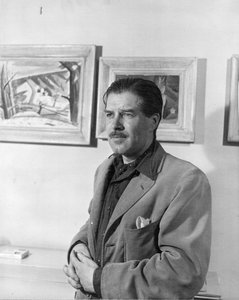
Jack Hamilton Bush
1909 - 1977
주요 정보
- Artistic Movement Or Style: Color Field & Post-painterly Abstraction
- Artists Or Movements Influenced By This Artist: ['Painters Eleven']
- Artists Who Influenced This Artist:
- Henri Matisse
- Charles Comfort
- Clement Greenberg
- Date Of Birth: March 20, 1909
- Date Of Death: January 24, 1977
- Full Name: Jack Hamilton Bush
- Nationality: Canadian
- Notable Artworks:
- Spain #1
- Boomerang
- Feathers
- Place Of Birth: Toronto, Ontario

