미리보기
미리보기
 공유하기
공유하기 공유하기
공유하기
 상세 정보
상세 정보 가이드 보기

 다운로드
다운로드
 유사 작품 더 보기
 X-레이
X-레이 슬라이드 쇼 보기
 질의응답
질의응답 통계 정보
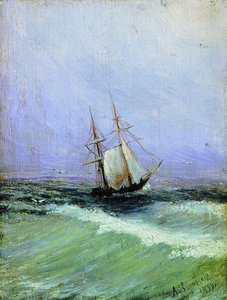
통계 정보Surf

- 43.0 x 34.0 cm


 더 보기
더 보기
지클레 / 아트 프린트
빠른 제작과 다양한 마감 옵션을 제공하는 박물관 수준의 지클레이 및 캔버스 프린트. ( 수작업 채색 복제본 주문하기 디지털 이미지로 전환)




































작품의 원본 비율을 그대로 유지하는 프리셋 사이즈 중에서 선택해 보세요.

액자나 벽면 크기에 맞춰 필요한 가로와 세로 길이를 입력해 주세요. 프린트는 원본 이미지보다 크게 제작할 수 없으며 오직 자르는 것만 가능하므로, 비율이 다른 사이즈를 선택할 경우 이미지의 일부가 잘려 나갈 수 있습니다. 인쇄 작업에 들어가기 전, 최종 확인을 위해 디지털 목업을 보내드립니다. 이 페이지에 표시된 이미지는 실제 잘리는 영역을 나타내지 않으며, 오직 목업을 통해서만 정확한 확인이 가능합니다.


 유리 옵션은 110cm 미만 크기에서만 선택 가능합니다.

Surf
지클레 / 아트 프린트
복제본 크기
-


최종 결제 금액
₩ 108665
A Vision of Nature's Power: Ivan Aivazovsky’s "Surf"
This captivating painting, “Surf,” created by Ivan Konstantinovich Aivazovsky in 1888, presents a dramatic and serene depiction of nature's raw power. The artwork showcases a majestic mountain cascading with water, rendered in striking hues of red that imbue the scene with an almost theatrical quality. Above this powerful landscape, birds soar through the sky, adding a dynamic sense of movement and life to the composition. Two figures are subtly included within the scene, hinting at human presence amidst this grand spectacle – perhaps explorers or simply observers captivated by the waterfall’s beauty. The overall effect is one of tranquil awe, inviting viewers into a world where adventure and wonder intertwine.The Romantic Style & Aivazovsky's Technique
“Surf” exemplifies the hallmarks of Romanticism, an artistic movement prevalent in the 19th century that emphasized emotion, individualism, and the sublime power of nature. Aivazovsky, considered one of the greatest masters of marine art, skillfully translates these ideals onto canvas. While primarily known for his seascapes, this work demonstrates his versatility in capturing other natural elements with equal intensity. His technique is characterized by a masterful use of light and color to create atmospheric depth and dramatic effect. The bold application of red on the mountain face isn't realistic but serves to heighten the emotional impact, drawing the eye and conveying a sense of grandeur. The loose brushwork in the sky suggests movement and vastness, while the details of the figures are rendered with a delicate touch, emphasizing their smallness against the backdrop of nature’s immensity.Historical Context & Aivazovsky's Legacy
Born in Feodosia, Crimea, to an Armenian family, Ivan Aivazovsky (1817-1900) spent his life immersed in the beauty of the Black Sea and surrounding landscapes. He received formal training at the Imperial Academy of Arts in Saint Petersburg but developed a unique style that transcended academic conventions. During the 19th century, Russia experienced significant cultural shifts, embracing Romantic ideals and fostering a renewed appreciation for national identity and artistic expression. Aivazovsky’s prolific output – estimated to be around 6,000 paintings – reflects this vibrant period. He achieved international acclaim, exhibiting his works across Europe and the United States, solidifying his reputation as a leading figure in Russian Romantic art. His ability to capture the essence of light and atmosphere made him highly sought after by collectors and institutions alike.Symbolism & Emotional Resonance
Beyond its aesthetic appeal, "Surf" carries symbolic weight. The mountain itself can be interpreted as representing strength, resilience, and enduring power. The cascading water symbolizes the constant flow of time and change, while the birds in flight represent freedom and aspiration. The inclusion of human figures subtly underscores humanity's relationship with nature – a sense of both awe and humility. Emotionally, the painting evokes feelings of serenity, wonder, and perhaps even a touch of melancholy as we contemplate the vastness of the natural world. The dramatic use of color—particularly the striking red—amplifies these emotions, creating a visually arresting and deeply moving experience for the viewer.A Timeless Addition to Any Space
This reproduction of "Surf" offers an opportunity to bring Aivazovsky’s masterful vision into your home or office. Its captivating imagery and rich symbolism make it a compelling conversation starter, while its serene atmosphere creates a sense of tranquility and inspiration. Whether you are an avid art collector, an interior designer seeking a statement piece, or simply someone who appreciates the beauty of nature, this painting is sure to resonate with you.질의응답
증강 현실(AR) 기능을 통해 아이반 콘스탄티노비치 아바조프스키의 "Surf"를 제 방에 미리 배치해 볼 수 있나요?
아이반 콘스탄티노비치 아바조프스키의 "Surf"의 AR로 미리보기 페이지에서는 증강 현실(AR) 기술을 통해 호환 가능한 기기에서 작품이 사용자의 공간에 배치된 모습을 미리 확인할 수 있습니다.
아이반 콘스탄티노비치 아바조프스키의 "Surf" 이미지는 어디에서 다운로드할 수 있나요?
아이반 콘스탄티노비치 아바조프스키의 "Surf"의 이미지는 작품의 디지털 이미지 다운로드 페이지에서 다운로드하실 수 있습니다: 고해상도 디지털 이미지 다운로드.
아이반 콘스탄티노비치 아바조프스키의 "Surf"은 밝은 느낌의 작품인가요, 아니면 어두운 느낌의 작품인가요?
시각적 밝기 측면에서 볼 때, 아이반 콘스탄티노비치 아바조프스키의 "Surf"은(는) balanced 수준입니다.
작가 정보
파도에 안긴 삶
1817년 호브한네스 아바지안이라는 이름으로 태어난 이반 콘스탄티노비치 아바조프스키는 단순한 해양 풍경화가를 넘어, 바다의 영혼을 전달하는 매개체였습니다. 그의 존재 자체는 흑해와 불가분하게 연결되어 있었는데, 이 광활하고 예측 불가능한 바다는 그의 예술적 비전을 영원히 지배하며 60년에 가까운 경이로운 예술 여정의 원동력이 되었습니다. 크림반도의 항구 도시 페오도시아에서 태어난 아바조프스키는 단순히 바다를 관찰하는 데 그치지 않고, 바다의 가공되지 않은 에너지와 숭고한 아름다움, 그리고 내재된 위험을 온몸으로 느꼈으며, 이는 곧 그의 예술적 본질이 되었습니다. 어린 시절부터 이러한 교감은 지역 건축가 야코프 코흐에 의해 발견되어 길러졌고, 이후 상트페테르부르크 제국 미술 아카데미의 엄격한 학문적 환경 속에서 꽃을 피웠습니다. 그러나 정규 교육만으로는 아바조프스키가 가진 이해의 깊이를 모두 설명할 수 없었습니다. 그의 예술적 감수성을 진정으로 형성한 것은 끊임없이 맴도는 소금기 머금은 공기와 갈매기의 울음소리였습니다. 또한, 페오도시아의 성 사르기스 아르메니아 교회에서 세례를 받은 그의 아르메니아적 유산 역시 중요한 역할을 했으며, 그는 평생 강한 문화적 유대감을 유지하며 방대한 작품 세계 속에 때때로 아르메니아적 주제를 녹여내기도 했습니다.해양 거장의 비상
아바조프스키의 예술적 여정은 러시아를 넘어 1840년대 초 유럽 전역으로 확장되었습니다. 특히 이탈리아에서의 경험은 매우 결정적이었는데, 그곳의 새로운 풍경과 빛에 몰입하며 기술을 연마했고, 극적인 구성과 숙련된 색채 사용이 특징인 자신만의 독창적인 화풍을 발전시켰습니다. 러시아로 돌아온 후, 그의 인생에는 중대한 전환점이 찾아왔습니다. 바로 러시아 해군의 전속 화가로 임명된 것입니다. 이는 단순히 명예로운 직함에 그치지 않았습니다. 그것은 선박과 선원, 해전 현장에 직접 접근하여 생생하게 관찰할 수 있는 기회였으며, 이는 그의 작품에 깊은 영향을 미쳤습니다. 그는 해양 생활을 밀접하게 경험하며 묘사의 진정성을 확보했고, 이는 군 관계자들과 예술 애호가 모두에게 깊은 울림을 주었습니다. 평생에 걸쳐 남긴 약 6,000점에 달하는 방대한 작품 수는 그의 끊임없는 헌신과 비범한 재능을 증명합니다. 아바조프스키는 단순히 장면을 복제하는 데 머물지 않았습니다. 그는 관람객을 폭풍의 심장부로, 혹은 거대한 파도와 맞서 싸우는 배의 갑판 위로 이동시켜 감정을 불러일으키고자 했습니다. 그는 눈에 보이는 것을 기록하는 것에 그치지 않고, 마음으로 느껴지는 것을 전달하고자 했습니다. 바다의 시각적 장관뿐만 아니라 그 정서와 힘, 그리고 신비로움이라는 본질을 포착해내는 그의 능력은 그를 러시아 낭만주의의 선구적인 인물로 빠르게 자리매김하게 했습니다.숭고함의 포착: 화풍과 주요 작품
아바조프스키의 회화는 낭만적 감수성과 기술적 탁월함으로 즉각적으로 알아볼 수 있습니다. 보름달이 뜬 바다는 대기 원근법의 정수를 보여주며, 은빛 빛줄기로 바다를 적시는 천상적인 광채를 만들어냅듬니다. 자연의 위력은 폭풍우 치는 바다의 배와 같은 작품에서 생생하게 느껴지는데, 휘몰아치는 물결과 어두운 하늘은 다가올 파멸의 예감과 인간 존재의 취약함을 전달합니다. 그는 혼돈과 파괴를 묘사하는 것을 두려워하지 않았지만, 이러한 극적인 장면 속에서도 언제나 기저에는 아름다움과 경외감이 흐르고 있었습니다. 밤의 바다 위 곤돌리에는 야경을 놀라운 세밀함과 잊히지 않는 아름다운 분위기로 포착하는 그의 기술을 잘 보여줍니다. 교황 그레고리오 16세의 주목을 받았던 카오스(창조)와 같은 초기작들은 야심 찬 주제를 다루려는 의지와 기술적 기량을 드러냅니다. 그러나 그의 가장 상징적인 걸작은 단연 제9의 파도일 것입니다. 이 작품은 난파된 잔해에 필사적으로 매달린 생존자들이 끊임없이 몰아치는 바다의 힘에 맞서는 처절한 모습을 그려냈습니다. 이 그림은 사실주의와 낭만주의를 결합하여 공포스러우면서도 깊은 감동을 주는 장면을 만들어내는 아바조프스키의 능력을 상징합니다. 그는 종종 자연 속에서 직접 작업하는 외광파(en plein air) 방식을 통해 찰나의 빛 효과를 포착했으며, 물감을 얇은 층으로 겹쳐 발라 빛나는 질감을 만들어내는 독특한 기법을 발전시켰습니다.유산과 영원한 영향력
이반 콘스탄티노비치 아바조프스키는 러시아 역사상 해양 예술의 가장 위대한 거장 중 한 명으로 서 있으며, 그의 유산은 기술적 숙련도, 정서적 깊이, 그리고 방대한 작품 활동을 통해 공고해졌습니다. 그의 작품은 미학적 아름다으로 찬사받을 뿐만 아니라, 강력한 감정을 불러일으키고 바다의 본질을 포착하는 능력으로 높게 평가받습니다. 그는 혁신적인 기법과 극적인 구성을 통해 러시아 풍경화의 발전에 크게 기여하며 후대 예술가들에게 깊은 영향을 미쳤습니다. 아바조프스키의 작품은 전 세계 박물관과 갤러리에 전시되며 오늘날까지도 전 세계 관객들에게 울림을 주고 있습니다. 그의 그림은 자연의 영원한 힘과 인간 정신에 대한 증거이며, 거대한 자연 앞에서 우리가 느끼는 취약함과 동시에 회복력과 희망을 품을 수 있는 능력을 상기시켜 줍니다. 그는 단순한 해양 풍경화가가 아니었습니다. 그는 바다의 기분과 신비, 그리고 장엄함을 비할 데 없는 기술과 열정으로 캔버스에 옮겨낸 바다의 시인이었습니다.- 기술적 혁신: 아바조프스키는 종종 자연 속에서 직접 작업하는 외광파 방식을 사용하여 찰나의 빛을 포착했습니다. 또한 물감을 얇은 층으로 쌓아 올려 빛나는 질감을 만드는 독특한 기법을 개발했습니다.
- 낭만적 감수성: 그의 작품은 감정, 상상력, 그리고 자연의 숭고한 힘을 강조하는 낭만주의 운동의 정수를 담고 있습니다.
- 국가적 자부심: 아바조프스키의 그림은 종종 러시아 해군의 승리와 해양 강국의 위용을 찬양하며 국가적 정체성을 형성하는 데 기여했습니다.
- 방대한 작품량: 약 6,000점에 달하는 경이로운 작품 수는 예술을 향한 그의 흔들림 없는 헌신을 보여줍니다.

아이반 콘스탄티노비치 아바조프스키
1817 - 1900 , 러시아
작가 정보 요약
- Artistic Movement Or Style: 낭만주의 및 극적인 구성의 해상 미술
- Artists Who Influenced This Artist: ['제임스 매튜 웨버 터너']
- Date Of Birth: 1817년 7월 29일
- Date Of Death: 1900년 5월 2일
- Full Name: Ivan Konstantinovich Aivazovsky
- Nationality: 러시아-아르메니아인
- Notable Artworks:
- 바바예프 스튜디오 제작 작품: 제9파동
- 폭풍해상 그림
- Place Of Birth: 크림리아 페도시아
관련 콘텐츠
Alexei Bogolyubov: Bridging Realism & Romanticism in the Russian Landscape Tradition
Explore the captivating world of Alexei Bogolyubov, a master of Russian Realism & Romanticism. Discover his stunning landscapes, maritime scenes, and lasting influence on 19th-century art. Learn more at OriginalUniqueArt.
Fyodor Vasilyev: A Poetic Vision of Russian Landscape – Life, Legacy, and the Transience of Nature
Explore the captivating world of Fyodor Vasilyev, a pioneering Russian landscape painter. Discover his lyrical style, influential works like 'Clouds' & lasting legacy. Learn about his life, artistic journey & impact on Russian art history.

Evocations of Place: A Historical Journey Through Landscape Art
Explore the rich history of landscape art with OriginalUniqueArt. Discover renowned artists, movements like Impressionism & Romanticism, and expert guidance for collecting timeless pieces. Find your perfect serene escape today!

낭만 풍경화의 황홀! 예술사에 빛난 10대 걸작 탐구 | 와후아트
낭만주의 시대, 예술혼을 불태운 10대 풍경화 걸작! 터너부터 프리드리히까지, 시대를 초월하는 아름다움을 와후아트에서 만나보세요. 고흐의 색채와 코로의 섬세함이 당신의 공간에 영감을 더합니다. 지금 바로 와후아트에서 명품 미술 작품을 감상하고 구매하세요!

존 컨스터블 대표작 25선: 영국 풍경화의 거장, 자연과 감성을 담은 명화 컬렉션 | OriginalUniqueArt
존 컨스터블 대표작 25선을 만나보세요. 영국 풍경화 거장의 자연주의 회화, 데담 밸리의 아름다움과 헤이 웨인의 정취를 담은 명화를 감상하세요. OriginalUniqueArt에서 고품질 예술 작품 복제본을 소장하고 특별한 인테리어를 완성해보세요. 지금 바로 컬렉션을 탐험하세요!