프린트 판매로 전환
 더 보기
더 보기







































 가로 또는 세로 중 어느 한 면이라도 105cm(약 41인치)를 초과하는 작품이나 복제화의 경우, 프레임은 분해된 키트 형태로 배송됩니다. 이는 안전한 배송을 보장하고 운송 중 발생할 수 있는 손상을 방지하기 위함입니다.


A Vision of Turbulent Majesty
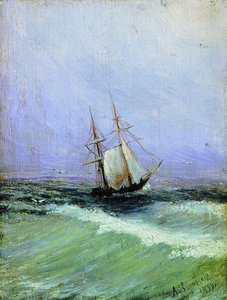
“Rocky Cliffs,” painted by Ivan Konstantinovich Aivazovsky in 1891, isn’t merely a landscape; it’s an immersive experience. The canvas explodes with the raw energy of the Black Sea, capturing a moment where nature and humanity collide with breathtaking drama. Aivazovsky, a titan of marine art, masterfully renders the relentless power of the ocean, transforming a simple coastal scene into a profound meditation on human resilience and the sublime indifference of the natural world.
The Painter's Technique: Layers of Light and Texture
Aivazovsky’s genius lies not just in his subject matter but also in his extraordinary technical skill. He employed a technique known as “alla prima,” working directly onto the wet surface of the canvas, layering paint with astonishing speed and precision. Thick impasto—heavy applications of pigment—dominates the cliffs, creating a palpable sense of roughness and solidity that contrasts sharply with the fluid movement of the waves. Notice how he builds up the texture of the rocks, using short, broken brushstrokes to suggest their jagged edges and weathered surfaces. The sky, rendered in delicate washes of blue and gray, subtly shifts in tone, conveying the ever-changing light conditions of a turbulent day. The use of complementary colors—the cool blues and grays of the sea against the warmer browns and ochres of the cliffs—further enhances the visual drama.
A Historical Echo: Romanticism at its Finest
“Rocky Cliffs” is firmly rooted in the Romantic movement, a period characterized by an intense fascination with nature’s power and the individual's emotional response to it. Aivazovsky, deeply influenced by this aesthetic, sought not just to depict the sea but to evoke a feeling—a sense of awe, wonder, and perhaps even a touch of fear in the face of its immensity. The painting reflects the era’s fascination with dramatic landscapes and heroic themes, mirroring the spirit of exploration and adventure that defined the 19th century. It's important to note Aivazovsky’s close relationship with the Russian Navy; his work often served as a visual record of naval exercises and battles, lending it an added layer of historical significance.
Symbolism in Motion: The Ship and the Sea
The small sailing vessel navigating the treacherous waves is more than just a compositional element. It represents humanity’s persistent, yet ultimately fragile, attempts to conquer nature's forces. The towering cliffs symbolize both grandeur and potential danger—a reminder of our own vulnerability in the face of overwhelming power. The turbulent sea itself embodies chaos, unpredictability, and the relentless passage of time. Aivazovsky masterfully uses these symbols to explore themes of human ambition, mortality, and the enduring relationship between humankind and the natural world. The painting invites contemplation on the balance between control and surrender.
A Legacy in Reproduction: Bringing the Sea Home
Reproductions of “Rocky Cliffs” capture a significant portion of Aivazovsky’s artistic vision, offering a window into this powerful seascape. When selecting a reproduction, consider the quality of materials used—a fine canvas and archival inks will ensure that the colors remain vibrant for years to come. Whether adorning a grand salon or a cozy study, “Rocky Cliffs” continues to inspire with its dramatic intensity and timeless beauty, reminding us of the enduring allure of the sea.
질의응답
"Rocky Cliffs"의 유화 복제본을 주문할 수 있을까요?
"Rocky Cliffs" 작품은 리넨 캔버스에 손으로 직접 그린 유화 복제화로 만나보실 수 있습니다. 주문은 수작업 유화 복제화 페이지에서 가능하며, 다양한 사이즈를 선택하실 수 있습니다.
"Rocky Cliffs"은 전체적으로 밝은 편인가요, 아니면 어두운 편인가요?
"Rocky Cliffs"의 전체적인 밝기는 shadow이며, 휘도는 Soft Shadow입니다.
"Rocky Cliffs"의 색상들은 빛을 어느 정도나 반사하는 것처럼 보이나요?
이반 콘스탄티노비치 아바조프스키의 "Rocky Cliffs"의 기록된 휘도는 Soft Shadow입니다.
이 작품에 대해 더 알아보기
 미리보기
미리보기
 공유하기
공유하기 공유하기
공유하기
 상세 정보
상세 정보 가이드 보기

 다운로드
다운로드
 유사 작품 더 보기
 X-레이
X-레이 슬라이드 쇼 보기
 질의응답
질의응답 통계 정보
통계 정보