

 미리보기
미리보기
 공유하기
공유하기 공유하기
공유하기
 상세 정보
상세 정보

 다운로드
다운로드
 유사 작품
유사 작품 X-레이
X-레이 슬라이드 쇼
 통계 정보
통계 정보Riverfront


 더 보기
더 보기
수제 유화 복제품
원하는 크기와 액자로 주문 제작되는, 작가들이 직접 캔버스에 손으로 그린 유화 작품입니다. ( 프린트 판매로 전환 디지털 이미지로 전환)




































작품의 원본 비율을 유지하는 미리 설정된 크기 중에서 선택하세요.

특정 프레임이나 공간에 맞도록 직접 크기를 입력할 수 있습니다. 선택하신 크기가 원본 이미지의 비율과 일치하지 않는 경우, 작품을 자르거나 추가적인 손으로 그린 요소를 사용하여 그림을 확장합니다. 제작 시작 전 승인을 위해 디지털 목업을 보내드립니다.
화면 미리 보기는 실제 자르기 또는 확장을 반영하지 않습니다. 최종 구성은 목업을 통해서만 정확하게 확인하실 수 있습니다.
맞춤 크기 제작도 가능하지만, 원본 비율을 유지하기 위해 사전 정의된 목록에서 크기를 선택하시는 것을 권장합니다.
주문 후 OriginalUniqueArt.com 팀에서 상세 안내를 위해 고객님께 이메일을 보내드리며, 미리보기 시안을 제공해 드립니다.


 유리 옵션은 110cm 미만 크기에서만 선택 가능합니다.

Riverfront
재현 기법
복제본 크기
-


최종 결제 금액
$ 375
Artistic Style and Technique
The painting depicts a riverfront scene with several buildings and structures, including a large industrial building with smoke billowing out of it. The use of black and white colors creates a sense of contrast and highlights the textures of the different elements in the scene. The artist's technique is evident in the way the lines and shapes are used to create a sense of depth and dimension. Key Features of the painting include:- The use of lithography on paper, which gives the painting a unique texture and feel
- The depiction of industrial buildings and structures, which reflects the artist's interest in urban landscapes
- The use of smoke and other atmospheric effects to create a sense of movement and activity
Artist and Museum Information
Isadore Weiner was an American artist known for his paintings and prints. His work is represented in several museums, including the Smithsonian American Art Museum. For more information on the artist and his work, visit /art/list/?Filter=AR242E-Isadore-Weiner-Riverfront. To learn more about the museum and its collection, visit https://OriginalUniqueArt.com and search for Smithsonian American Art Museum.The Riverfront painting is a significant work in the artist's oeuvre and reflects his interest in urban landscapes and industrial scenes. As a handmade oil painting reproduction, it can be appreciated for its beauty and historical significance. For art lovers and collectors, this painting is a must-see, and https://OriginalUniqueArt.com offers a range of resources and information to help appreciate and understand the artwork.
작가 약력
The Urban Visionary: The Life and Legacy of Isadore Weiner
In the heart of America’s industrial landscape, where the rhythmic pulse of Chicago’s streets met the burgeoning complexity of mid-century urban life, Isadore Weiner emerged as a profound observer of the human and structural condition. Born in Chicago in 1910, Weiner did not merely witness the transformation of the American cityscape; he translated its grit, movement, and social weight into a visual language that bridged the gap between traditional printmaking and modern expressionism. His journey was one deeply rooted in the soil of his birthplace, shaped by the shadows of towering industrial structures and the vibrant, often turbulent, energy of a city in flux.
Weiner’s artistic foundation was laid within the hallowed halls of the Art Institute of Chicago, an environment that allowed him to absorb the radical currents flowing from Europe. The fractured perspectives of Cubism and the dreamlike distortions of Surrealism became part of his creative vocabulary, yet he grounded these avant-garde influences in a uniquely American reality. This period of intense study instilled in him a meticulous attention to detail and an experimental spirit that would later define his mastery over the lithographic stone. He possessed a rare ability to find beauty in the utilitarian, seeing the poetic potential in smoke-filled horizons and the stark geometry of urban architecture.
A Master of Color and Social Conscience
The Great Depression served as both a challenge and a catalyst for Weiner’s development. Joining the Illinois Workers' Relief Administration (WPA) graphics program, he became part of a vital movement of artists dedicated to documenting the American experience during a time of profound economic hardship. This era solidified his role as a socially conscious creator, one who viewed art not as an isolated luxury, but as a tool for engagement and historical record. His work during this period often captured the monumental scale of American industry and the quiet dignity of urban life, blending a sense of documentary realism with an expressive, emotive touch.
Perhaps Weiner’s most enduring contribution to the art world lies in his pioneering approach to color lithography. While many of his contemporaries remained tethered to the monochrome traditions of the medium, Weiner sought to unlock a new dimension of light and texture. By skillfully manipulating two stone plates, he achieved a vibrant, layered effect that brought a luminous quality to his prints. This technique allowed him to capture the atmospheric nuances of a riverfront at dusk or the heavy, tactile presence of industrial smoke. His ability to layer hues created a sense of depth and dimension that transformed the flat surface of paper into a window onto a breathing, textured world.
Teaching, Legacy, and the Enduring Image
Beyond the printing press, Weiner’s influence extended into the community through his role as an instructor at Hull House. Working within this legendary settlement house founded by Jane Addams, he participated in a tradition of art as social service, nurturing new talents and advocating for the transformative power of creativity in urban environments. This commitment to mentorship ensured that his progressive ideals regarding the intersection of art and society would resonate through future generations of Chicago artists.
Though his life came to an end in Los Angeles in 1964, the visual echoes of Isadore Weiner’s work remain preserved in some of the world's most prestigious institutions, including the Smithsonian American Art Museum and the National Gallery of Art. His oeuvre stands as a testament to a period of intense transition, capturing the soul of the American city through a lens that was at once technically masterful and deeply empathetic. To look upon a Weiner print is to experience the pulse of the twentieth-century urban landscape—a world of striking contrasts, where the industrial and the ethereal meet in a permanent, colorful dance.

주요 정보
- Artistic Movement Or Style: Expressionism
- Date Of Death: Living
- Full Name: Isadore Weiner
- Nationality: American
- Notable Artworks:
- Riverfront
- Girl Reading
- Lithographer
- Place Of Birth: Chicago, Illinois
관련 기사 더 보기
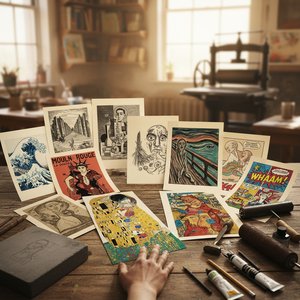
Top 10 Lithographs That Revolutionized Art | OriginalUniqueArt
Explore 10 legendary lithographs by Toulouse-Lautrec, Munch & Picasso that redefined art! Discover the stories behind these iconic prints and find museum-quality reproductions for your home decor at OriginalUniqueArt.com. Explore the full collection online.

Giclée Prints: Archival Quality & Aesthetic Nuances for the Discerning Collector
Explore the world of giclée prints with OriginalUniqueArt. Learn about archival quality, aesthetic nuances & investment potential. Expert guidance for discerning art collectors seeking museum-quality reproductions and lasting value.

The Enduring Legacy of Fine Art Prints: Technique, History & Aesthetic Impact
Explore the rich history & techniques of fine art prints. Discover investment potential, assess authenticity, and learn how to preserve your collection with expert guidance. Trusted insights for discerning collectors.

가츠시카 호쿠사이 최고 걸작 25선: 우키요에의 정수를 만나다 | OriginalUniqueArt
가츠시카 호쿠사이의 최고 걸작 25선을 만나보세요. 우키요에, 대판화 기법과 후지산 풍경의 아름다움을 담은 명작들을 감상하고, OriginalUniqueArt에서 고품질 아트 프린트와 인테리어 액자를 찾아보세요. 지금 바로 컬렉션을 탐험하세요!

Echoes of Time: Exploring the Enduring Appeal & Historical Context of Vintage Art Prints
Explore the captivating world of vintage art prints! Discover their history, collecting tips & enduring appeal. Expert insights on chromolithography and building a legacy collection with OriginalUniqueArt.