- 홈

- 캔버스 프린트
- Ingrid Calame
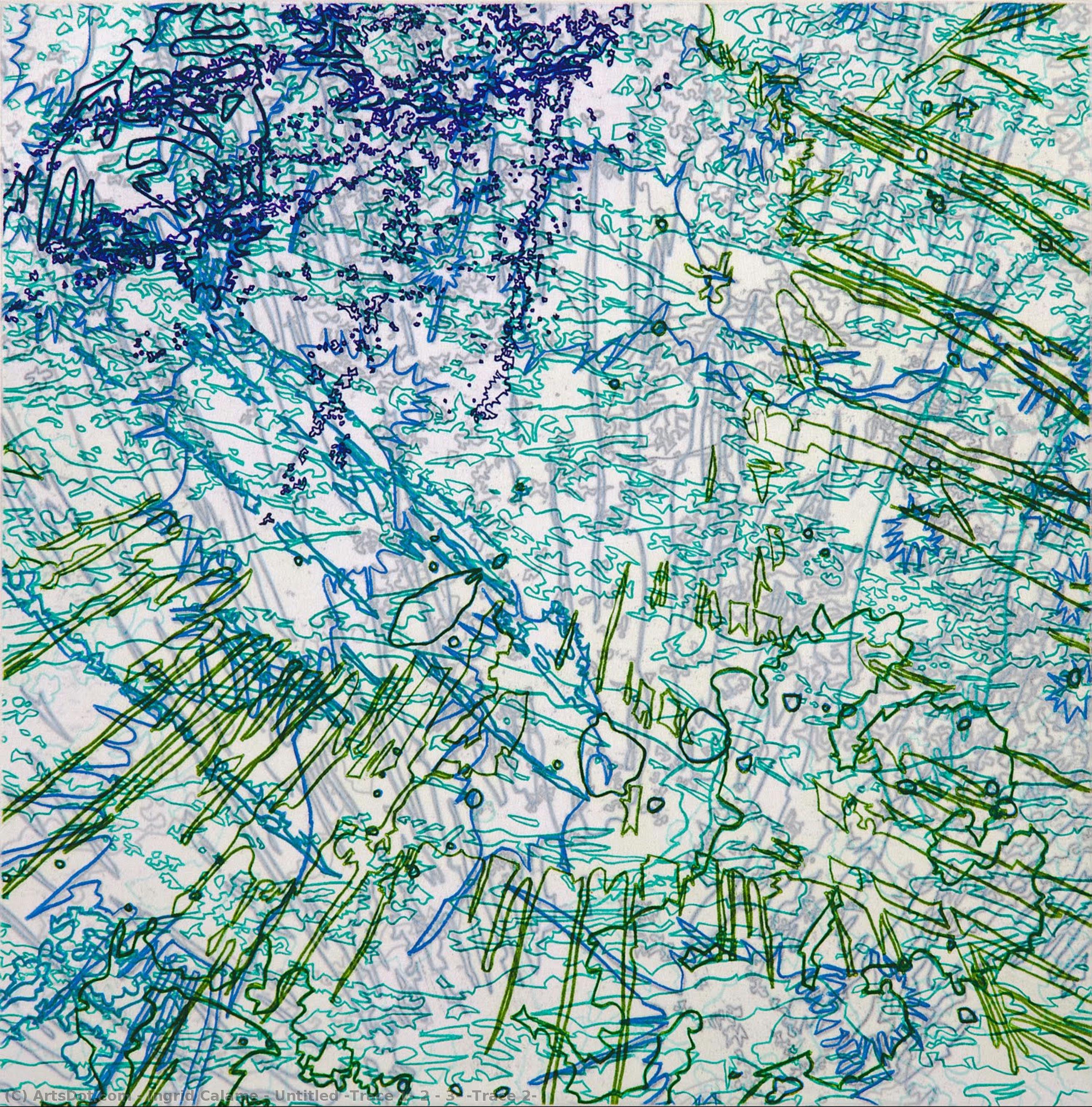
- Untitled (Trace 1, 2 & 3) (Trace 2)
 Preview
 작품 구매하기
 공유하기
공유하기 공유하기
공유하기
 상세 정보
상세 정보

 다운로드
다운로드
 유사 작품
유사 작품 X-레이
X-레이 슬라이드 쇼
Untitled (Trace 1, 2 & 3) (Trace 2)


 더 보기
더 보기




P118B $10

P118H $10

P118W $10

P438Z $10

P508JH $12

P508YH $12

P805H $10

P805Z $10

P919BZ $10

P919G $10

P919XJ $10

P959ZH $10

P968JZ $12

W106C $8

W218G $10

W218JH $8

W218Y $10

W307PJ $10

W316G $10

W316PJ $8

W316Y $10

W398PJ $8

W4111J $10

W500HY $15

W500JH $15

W692G $12

W849H $8

W940BG $15

W953PJ $8




작품의 원본 비율을 유지하는 미리 설정된 크기 중에서 선택하세요.

특정 프레임이나 공간에 맞춰 직접 치수를 입력하실 수 있습니다. 선택하신 사이즈가 원본 이미지의 비율과 일치하지 않을 경우, 작품을 크롭(자르기)하거나 이미지를 대칭 또는 단색 채우기로 확장하여 제작합니다. 제작 시작 전, 최종 확인을 위해 디지털 목업이 전송됩니다.
화면상의 미리보기는 실제 크롭이나 확장 상태를 반영하지 않으므로, 최종 구도는 오직 목업을 통해서만 정확하게 확인하실 수 있습니다.
맞춤 사이즈 제작도 가능하지만, 원본 비율을 유지하기 위해서는 사전 정의된 목록에서 치수를 선택하시는 것을 권장합니다.


 유리 옵션은 110cm 미만 크기에서만 선택 가능합니다.

Untitled (Trace 1, 2 & 3) (Trace 2)
지클레 / 아트 프린트
복제본 크기
-


최종 결제 금액
-
작품 상세 설명
The Ephemeral Language of the City
Ingrid Calame’s work invites us into an intimate dialogue with the overlooked textures of modern urban life. This piece, Untitled (Trace 1, 2 & 3) (Trace 2), is not merely a painting; it is a cartography of memory, a vibrant record compiled from the accidental poetry found on city streets. Calame’s unique practice involves physically tracing markings—the grooves, the stains, the spontaneous graffiti—found on various urban surfaces directly onto Mylar. This labor-intensive process imbues every line with the weight of its origin, connecting the grand sweep of metropolitan existence to the delicate gesture of a single passing shoe or spilled liquid. The resulting artwork is a mesmerizing tapestry where the detritus of daily routine is elevated to high art.A Symphony in Overlapping Color and Movement
Visually, the piece explodes with controlled chaos. Against a deep, resonant blue background, Calame layers soft pastels alongside vivid primary colors—greens, purples, yellows, and oranges—that seem to vibrate against one another. The composition is defined by intertwining, overlapping lines that swirl endlessly, suggesting an ongoing, restless movement. It feels as if the viewer has stumbled upon a moment of pure kinetic energy captured on canvas. These markings do not simply exist; they interact, creating new hues where they meet and developing complex visual narratives through their sheer density. The careful interplay between these vibrant marks and the negative space surrounding them is what gives the piece its profound sense of breath and quietude.Technique: Tracing Time Itself
The technical mastery displayed here is remarkable. Calame’s method transforms found ephemera into permanent, luminous art. By tracing directly from real-world textures, she bypasses traditional pictorial representation in favor of a more immediate, almost forensic documentation of surface life. The resulting mixed media quality suggests both the spontaneity of street art and the meticulous care of an archival study. For collectors or designers seeking reproduction, understanding this process is key: owning this piece means acquiring a tangible echo of urban passage, rendered with painstaking devotion to detail.Symbolism and Emotional Resonance
What does it mean to trace what has already been left behind? Symbolically, Calame’s work speaks to the transient nature of existence in densely populated areas. The lines are traces—remnants of human activity that fade but never entirely disappear. They evoke a sense of beautiful melancholy; we are confronted with the beauty inherent in things that are imperfect, temporary, and constantly being overwritten by the next moment. Emotionally, the piece is both exhilarating due to its vibrant energy and deeply calming because it forces us to slow down, to look closely at what we usually walk past without seeing. It invites contemplation on pattern, passage, and persistence.작가 약력
Ingrid Calame: A Life in Traces
Early Life and Education
- Born in 1965 in The Bronx, New York, Ingrid Calame spent her formative years in Westchester County.
- Her parents worked in the fields of physical education and physical therapy, providing a practical backdrop to her developing artistic sensibilities.
- Initially drawn to dance, Calame later shifted her focus to painting, recognizing its potential for expressing her creative vision.
- She earned a Bachelor of Fine Arts from the State University of New York at Purchase and further honed her skills with a Master of Fine Arts degree from the California Institute of the Arts.
Artistic Development and Influences
- Calame’s artistic journey began to take shape after earning her MFA in 1996, marked by an exploration of accidental spills on her studio floor. She re-presented these spontaneous occurrences as deliberate art.
- A pivotal moment came with revelations about her grandmother's death, prompting a deeper investigation into themes of mortality and the traces humans leave behind.
- Her work is influenced by a desire to capture the ephemeral nature of existence and the often-overlooked details of everyday life.
- While not directly tied to a specific movement, Calame’s abstract style aligns with Abstract Expressionism, emphasizing process and emotional resonance.
Key Themes and Techniques
- Calame is renowned for her unique technique of tracing marks found in public spaces – stains, cracks, tire tracks, graffiti – transforming them into complex abstract compositions.
- Her paintings often resemble maps, though she emphasizes that they are not literal representations but rather explorations of “micro-mapping” and the inherent cartographic impulse within us.
- Human detritus serves as a central theme, prompting reflection on our presence in the world and the traces we inevitably leave behind.
- She employs layering techniques, building up tracings to create richly textured and visually compelling surfaces.
Major Achievements and Exhibitions
- Calame’s work has been exhibited internationally, gaining recognition in prestigious institutions such as the Los Angeles Museum of Contemporary Art (LACMA), the Whitney Museum of American Art, and the Museum of Modern Art (MoMA) in New York City.
- She was included in the 2000 Whitney Biennial, a significant platform for contemporary American art.
- Notable exhibitions include site-specific commissions at the Indianapolis Museum of Art (“Ingrid Calame: Traces of the Indianapolis Motor Speedway”) and an artist residency at the Albright-Knox Art Gallery, where she traced marks throughout Buffalo, New York.
Historical Significance and Legacy
- Ingrid Calame’s work challenges traditional notions of representation and abstraction, offering a unique perspective on the relationship between art and everyday life.
- Her exploration of overlooked details and ephemeral traces encourages viewers to reconsider their surroundings and appreciate the beauty in the mundane.
- By transforming accidental marks into deliberate artworks, she raises questions about authorship, intention, and the nature of artistic creation.
- Calame’s influence can be seen in contemporary artists who explore similar themes of site-specificity, abstraction, and the human impact on the environment.

Ingrid Calame
1965 - , United States of America
주요 정보
- Birth Date: 1965
- Birth Place: The Bronx, New York City, United States
- Movement:
- Abstract art
- Abstract expressionism
- Name: Ingrid Calame
- Nationality: American
- Notable Works:
- Untitled (Trace 1, 2 & 3)
- Traces of the Indianapolis Motor Speedway
관련 기사 더 보기

Kandinsky's Masterpieces: 25 Paintings That Define Abstract Art | OriginalUniqueArt
Journey through Wassily Kandinsky's 25 most iconic abstract paintings. Explore his revolutionary use of color, form & spiritual expressionism. Find museum-quality Kandinsky reproductions and elevate your home decor with OriginalUniqueArt.com. Discover all masterpieces on OriginalUniqueArt.com!
페르낭 레제 최고 걸작 25선: 현대 미술의 거장을 만나다 | OriginalUniqueArt
페르낭 레제의 최고 걸작 25선을 만나보세요. 큐비즘, 추상 미술의 거장이 그린 명작들의 탄생 비화와 예술적 의미를 탐구합니다. OriginalUniqueArt에서 고품질 아트 프린트와 인테리어 액자로 공간에 예술을 더하세요. 지금 바로 컬렉션을 확인하세요!
뉴욕 메트로폴리탄 미술관 최고 걸작 25선: 예술의 정수를 만나다 | OriginalUniqueArt
뉴욕 메트로폴리탄 미술관 최고 걸작 25선을 만나보세요. 반 고흐, 모네 등 거장들의 숨겨진 이야기와 예술의 정수를 감상하세요. 홈 데코를 위한 명화 복제 작품은 OriginalUniqueArt에서! 지금 바로 컬렉션을 탐험하세요.
앙리 마티스의 걸작 25선: 색채와 감각의 혁신을 만나다 | OriginalUniqueArt
앙리 마티스의 시대를 초월하는 걸작 25선을 만나보세요. 색채주의, 야수파를 대표하는 그의 삶과 예술 세계를 탐험하고, OriginalUniqueArt에서 명화 복제본으로 거실 인테리어에 감동을 더하세요. 지금 바로 컬렉션을 확인하세요!

제임스 애벗 맥닐 휘슬러 최고 걸작 25선: 예술의 정수, 공간에 스며드는 아름다움
제임스 애벗 맥닐 휘슬러의 최고 걸작 25선을 만나보세요. 야간 풍경부터 아랑미술관 소장품까지, 예술가의 삶과 작품 세계를 탐험합니다. 색채와 분위기가 완벽한 조화를 이루는 그림들을 OriginalUniqueArt.com에서 감상하고 특별한 공간을 완성하세요.

