
 미리보기
미리보기
 공유하기
공유하기 공유하기
공유하기
 상세 정보
상세 정보

 다운로드
다운로드
 유사 작품
유사 작품 X-레이
X-레이 슬라이드 쇼
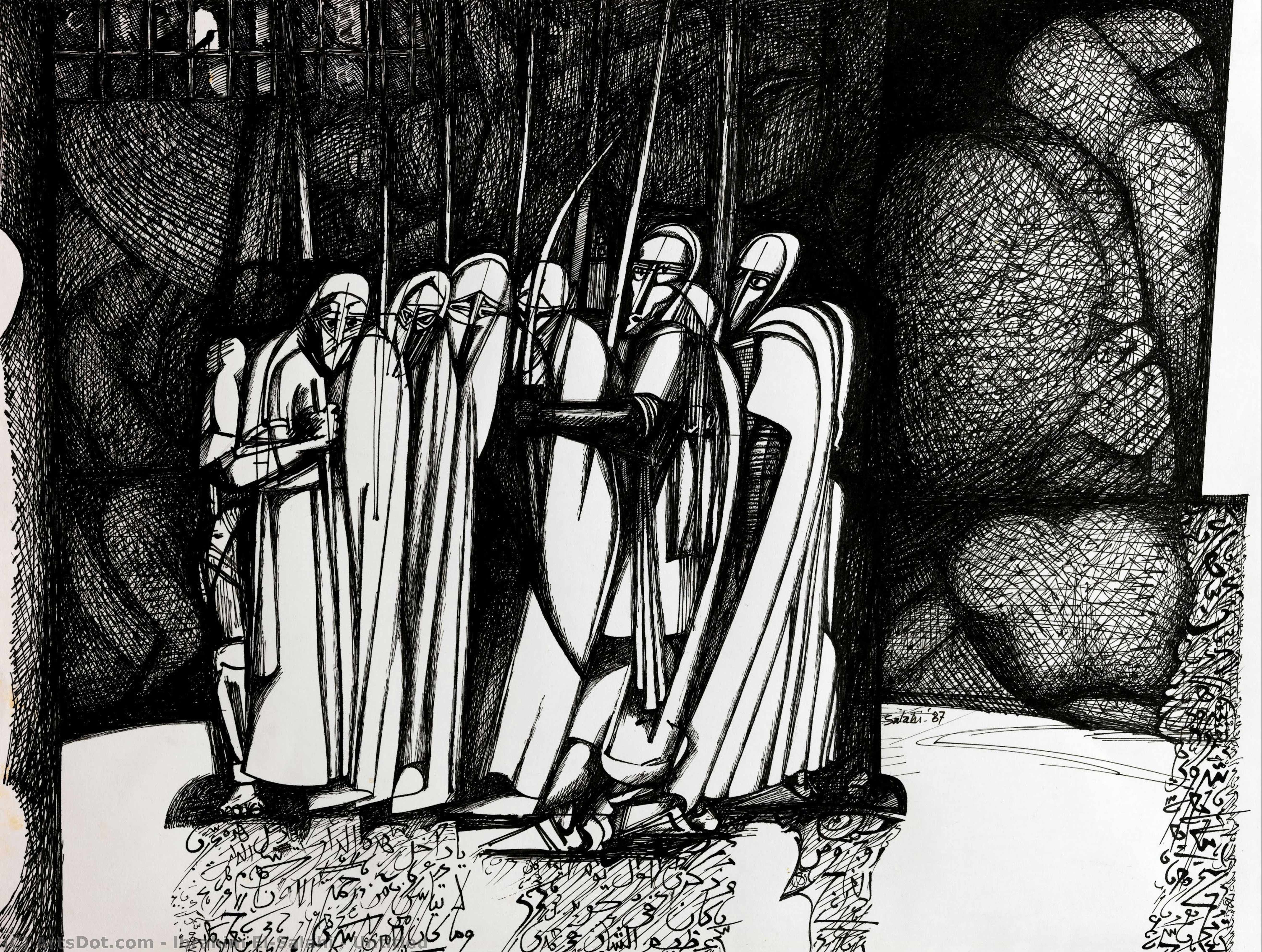
Untitled
 1987
1987 45.0 x 34.0 cm
 Mathaf: 아랍 현대 미술관
 더 보기
더 보기
온라인 미리보기보다 훨씬 뛰어난 품질의 고해상도 디지털 이미지를 구매해 보세요.
각 파일은 사내 전문가가 고급 도구와 숙련된 수동 리터칭 기술을 사용하여 세심하게 준비합니다. 우리는 모든 이미지가 탁월한 선명도, 정확한 색상 재현력, 그리고 미세한 디테일까지 완벽하게 갖추도록 보장합니다.
최종 파일은 전문적인 편집 및 인쇄 환경에서 즉시 사용할 수 있도록 최적화되어 72시간 이내에 이메일로 발송됩니다. 이는 세계적인 디자인 스튜디오, 출판사 및 갤러리가 신뢰하는 것과 동일한 품질입니다.
디지털 이미지
개인 소장 및 전시, 인쇄, 창작 프로젝트를 위한 고해상도 파일을 다운로드하세요. ( 프린트 구매 손으로 그린 그림 구매)
모든 디지털 이미지 주문에 포함된 혜택
전문적인 디지털 이미지 전송 보장
OriginalUniqueArt.com를 선택하시면 단순히 이미지를 받는 것을 넘어, 정밀한 보정 과정을 거친 전문적인 디지털 예술 작품을 만나보실 수 있습니다. 모든 작품에는 만족 보장 서비스가 함께 제공되며, 주문 시 다음과 같은 사항들이 자동으로 포함됩니다:

빠른 이메일 전송
주문 후 72시간 이내에 고해상도 디지털 이미지 파일이 이메일로 발송되며, 즉시 사용하실 수 있습니다.

AI 기술로 향상된 디지털 파일
귀하의 작품은 고급 AI 도구와 수동 편집 과정을 거쳐 전문적으로 최적화되며, 이를 통해 디테일과 선명도, 색상의 정확도를 극대화합니다.

평생 무료 재전송 서비스
파일을 실수로 삭제하거나 분실하셨나요? 걱정 마세요. 언제든 무료로 다시 보내드립니다.

추가 수입 비용 없음 - 언제나
관세나 부가세, 배송비 부담 없이 작품을 즉시 감상하세요 - 디지털 다운로드는 언제나 면세 혜택이 적용됩니다.

정확한 색상 보장
전문적인 도구와 색상 관리 시스템을 통해 디지털 이미지가 원본의 색상을 최대한 정확하게 구현하도록 보장합니다.

60일 만족 보장제
구매하신 디지털 이미지에 만족하지 못하실 경우, 60일 이내에 수정 또는 100% 환불을 진행해 드립니다 - 어떠한 문의도 필요 없습니다.

100% 환불 보장
만족하지 못하셨나요? 디지털 파일을 수령하신 후 60일 이내라면 별도의 이유를 밝힐 필요 없이 전액 환불해 드립니다.

대량 주문 할인
이미지 3매 구매 시 10% 할인 - 5매 구매 시 15% 할인 - 10매 이상 구매 시 20% 할인. 크리에이티브 프로젝트, 갤러리, 에이전시에 매우 유용합니다.
작가 소개
The Visionary of the Khartoum School
Born in the historic city of Omdurman, Sudan, on September 5, 1930, Ibrahim El-Salahi stands as a monumental figure in the landscape of global modernism. His life and work represent a profound intersection of cultural heritage and avant-garde experimentation. As a central pillar of the Khartoum School, El-Salahi did not merely paint; he orchestrated a visual dialogue between the ancient rhythms of Islamic calligraphy and the radical abstractions of the twentieth century. His journey is one of deep intellectual synthesis, where the boundaries between the personal, the political, and the spiritual dissolve into a singular, flowing aesthetic.
El-Salahi’s early years were marked by an expansive curiosity that transcended borders. While his roots remained firmly planted in Sudanese soil, his artistic consciousness was shaped by a globalized perspective. During the 1950s, he began to absorb the transformative energies of various international movements, finding echoes of Pablo Picasso and Edgar Degas within his own developing language. This period of exploration was further enriched by his professional life as a public servant and diplomat. Traveling through diverse landscapes allowed him to witness the pulse of different cultures, an experience that would later manifest in his work as a sophisticated layering of motifs, textures, and symbols.
The Language of Hurufiyya and Abstraction
At the heart of El-Salahi’s contribution to art history is his mastery of the Hurufiyya movement. This revolutionary approach sought to reclaim the Arabic alphabet, not merely as a tool for literacy, but as a fundamental element of abstract composition. By deconstructing calligraphic forms, he moved beyond literal meaning to explore the raw, rhythmic power of the letterform itself. His canvases became battlegrounds of beautiful tension, where geometric precision met organic fluidity. This technique allowed him to participate in the broader African Modernism movement while maintaining a distinctively Pan-Arabic identity.
His stylistic evolution is characterized by a breathtaking use of bold colors and intricate, layered compositions. In his later works, one can observe a fascinating interplay of influences, where the structural lessons of Cubism meet a more meditative, almost spiritual abstraction. The artist possesses a unique ability to weave together disparate elements—traditional Sudanese motifs, cosmic symbols, and contemporary abstract shapes—into a cohesive visual tapestry. This synthesis creates a sense of "eternal time," where the past and the present exist simultaneously within the frame of a single painting.
Legacy and Global Recognition
The significance of Ibrahim El-Salahi’s oeuvre extends far beyond the borders of Sudan, reaching the most prestigious institutions in the world. His work has been celebrated in galleries and museums such as the Tate Modern and the Today Art Museum, cementing his status as one of the most important contemporary African artists of his generation. His ability to navigate the complexities of identity—balancing the local with the universal—has made him a vital voice in the discourse of post-colonial art.
Throughout his storied career, El-Salahi has achieved several milestones that define his enduring impact:
- Pioneering African Modernism: He played a decisive role in establishing a modern visual identity for Sudan and the wider continent.
- Mastery of Calligraphic Abstraction: His refinement of the Hurufiyya style provided a blueprint for integrating traditional script into contemporary fine art.
- Cultural Diplomacy through Art: Through his unique aesthetic, he bridged the gap between Islamic traditions and Western modernist movements.
- Global Artistic Influence: His works continue to inspire new generations of artists exploring the intersection of heritage and abstraction.
Today, the legacy of Ibrahim El-Salahi lives on through the profound emotional resonance of his paintings. Whether through the haunting beauty of "Deer in a Hat" or his more recent, complex abstractions, his work remains a testament to the power of art to transcend language, culture, and time.

ibrahim el-salahi
1930 - , Sudan
주요 정보
- Artistic Movement Or Style: African Modernism, Hurufiyya movement
- Artists Who Influenced This Artist:
- Edgar Degas
- Pablo Picasso
- Date Of Birth: September 5, 1930
- Full Name: Ibrahim El-Salahi
- Nationality: Sudanese
- Notable Artworks: ['Deer in a hat']
- Place Of Birth: Omdurman, Sudan

