
 실제 크기로 보기
 보내기
보내기 공유하기
공유하기
 상세 보기
상세 보기 가이드 보기

 이미지 다운로드
 유사 작품 더 보기
 X-레이
X-레이 슬라이드 쇼 보기
 통계 정보
통계 정보Play
 1869
1869 33.0 x 47.0 cm
 Royal Scottish Academy of Art - Architecture
 상세 보기
상세 보기
온라인 미리보기보다 훨씬 뛰어난 품질의 고해상도 디지털 이미지를 구매해 보세요.
각 파일은 사내 전문가가 고급 도구와 숙련된 수동 리터칭 기술을 사용하여 세심하게 준비합니다. 우리는 모든 이미지가 탁월한 선명도, 정확한 색상 재현력, 그리고 미세한 디테일까지 완벽하게 갖추도록 보장합니다.
최종 파일은 전문적인 편집 및 인쇄 환경에서 즉시 사용할 수 있도록 최적화되어 72시간 이내에 이메일로 발송됩니다. 이는 세계적인 디자인 스튜디오, 출판사 및 갤러리가 신뢰하는 것과 동일한 품질입니다.
디지털 이미지
개인 소장 및 전시, 인쇄, 창작 프로젝트를 위한 고해상도 파일을 다운로드하세요. ( 프린트 판매로 전환 수작업 채색 복제본 주문하기)
모든 디지털 이미지 주문 시 제공되는 혜택
전문적인 디지털 이미지 전송 보장
OriginalUniqueArt.com를 선택하시면 단순히 이미지를 받는 것을 넘어, 정밀한 보정 과정을 거쳐 완성된 전문적인 디지털 예술 작품을 만나보실 수 있습니다. 모든 작품에는 만족 보장 서비스가 함께 제공되며, 주문 시 다음과 같은 사항들이 자동으로 포함됩니다:

빠른 이메일 수령
주문 후 72시간 이내에 고해상도 디지털 이미지 파일이 이메일로 발송되며, 즉시 사용하실 수 있습니다.

AI 기술로 최적화된 디지털 파일
귀하의 작품은 고급 AI 기술과 정교한 수동 편집 과정을 거쳐 전문적으로 최적화되며, 이를 통해 디테일과 선명도, 색상의 정확도를 극대화합니다.

평생 무료 재전송 서비스
파일을 실수로 삭제하거나 분실하셨나요? 걱정 마세요. 언제든 무료로 다시 보내드립니다.

추가 수입 비용 없음 - 언제나
관세나 부가세, 배송비 부담 없이 작품을 즉시 소장하세요 - 디지털 다운로드는 언제나 면세 혜택이 적용됩니다.

정확한 색상 보장
전문적인 도구와 색상 관리 시스템을 통해 디지털 이미지가 원본의 색상을 최대한 정확하게 구현하도록 보장합니다.

100일 만족 보장제
구매하신 디지털 이미지에 만족하지 못하실 경우, 100일 이내에 별도의 조건 없이 수정 또는 100% 환불을 진행해 드립니다.

100% 환불 보장
만족스럽지 않으신가요? 디지털 파일을 받으신 후 100일 이내에 조건 없이 전액 환불해 드립니다.

대량 주문 할인
이미지 3매 구매 시 10% 할인 - 5매 구매 시 15% 할인 - 10매 이상 구매 시 20% 할인. 크리에이티브 프로젝트, 갤러리, 에이전시에 매우 유용합니다.
Composition and Style
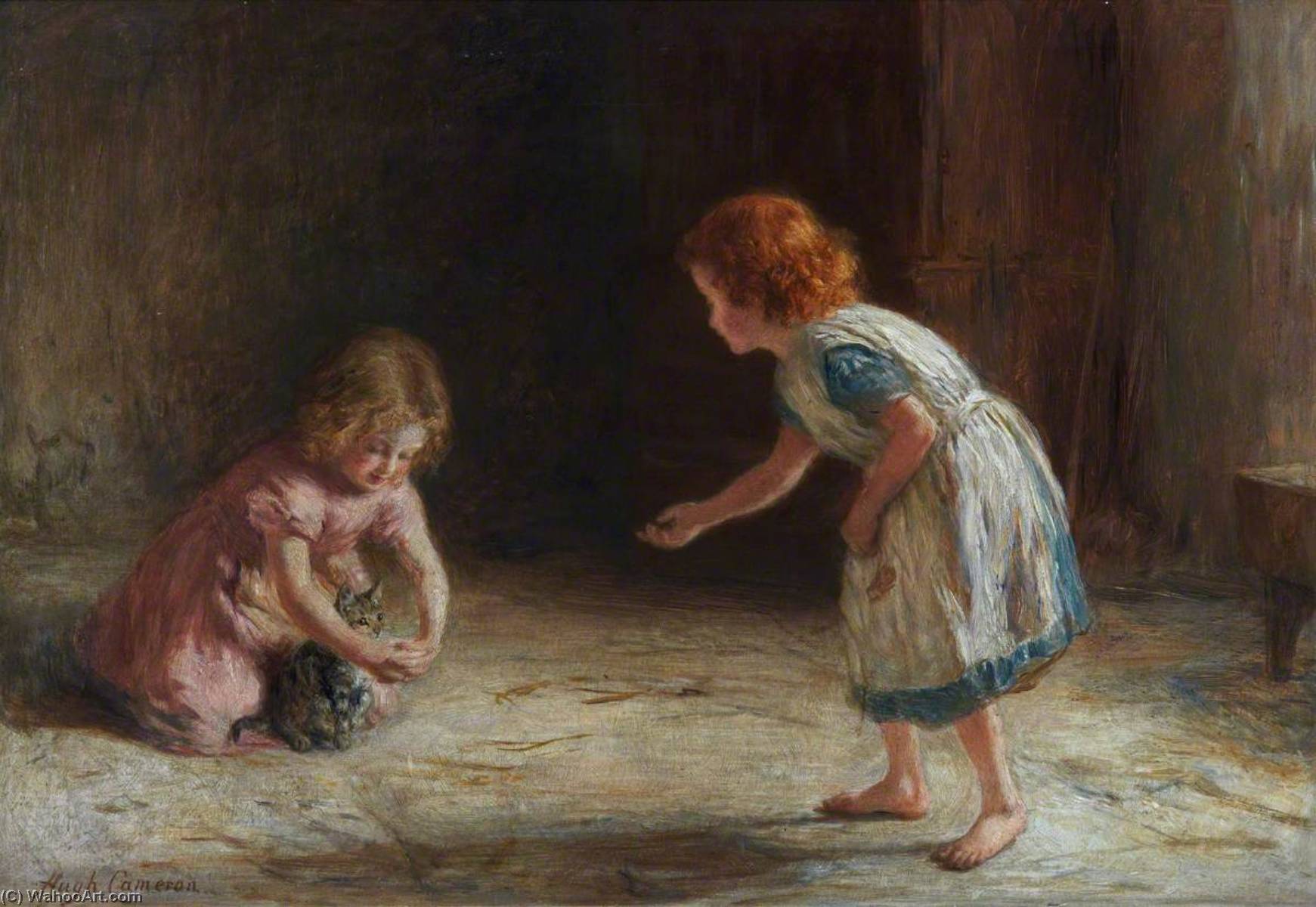
The scene features a young girl playing with her cat in a room, while another girl watches from behind her. The use of warm colors and soft brushstrokes creates a cozy atmosphere, drawing the viewer into the intimate moment. Wilson's style is reminiscent of other notable artists of the time, such as Claude Monet, who also explored the effects of light and color in their work. For example, Monet's The Bridge at Bougival showcases a similar emphasis on capturing the fleeting effects of natural light.Historical Context
The late 19th century was a time of great change and growth in Europe, as discussed in the history of Europe. The Industrial Revolution was transforming the continent, and the arts were responding to these changes. Wilson's painting Play can be seen as a reflection of this era, capturing the simplicity and innocence of childhood in a rapidly changing world. Key Features:- Oil on canvas piece measuring 33 x 47 cm
- Housed at the Royal Scottish Academy of Art - Architecture in Edinburgh, United Kingdom
- Created in 1869 by Hugh Cameron Wilson
The beauty of Play lies in its ability to transport us back to a simpler time, reminding us of the importance of childhood innocence and joy. As we gaze upon this captivating painting, we are invited to reflect on the significance of art in capturing the essence of human experience.
아티스트 프로필
A Life Painted in Light and Shadow
Hugh Cameron Wilson (1885-1952) wasn’t merely a painter; he was a meticulous recorder of the British landscape and its people during a pivotal era. Born into a family steeped in artistic tradition – his father, a prominent watercolorist – Wilson inherited not just talent but also a deep appreciation for observation and detail. His early life, spent amidst the rolling hills of Yorkshire and later in London’s vibrant art scene, provided fertile ground for his distinctive style: a blend of realism tempered by an almost melancholic sensitivity. Unlike many artists of his time who embraced grand romanticism, Wilson focused on capturing the quiet dignity of everyday life – farmers tending their fields, fishermen returning with their catch, children playing in sun-drenched lanes. This commitment to portraying the ordinary, coupled with his masterful use of light and shadow, cemented his place as a significant figure in early 20th-century British art.
Early Influences and Artistic Development
Wilson’s artistic journey began under the watchful eye of his father, who instilled in him a rigorous approach to watercolor painting. This foundation emphasized meticulous technique – layering washes, controlling pigment saturation, and achieving subtle gradations of tone. However, Wilson quickly developed his own voice, influenced by the Impressionists and particularly by artists like John Constable, whose atmospheric landscapes resonated with Wilson’s own fascination with light and color. His early works often depicted scenes from Yorkshire, capturing the rugged beauty of the moors and the starkness of the agricultural landscape. These paintings weren't simply representations; they were imbued with a sense of place – a feeling for the wind, the rain, and the enduring spirit of the region.
A crucial turning point in Wilson’s career came during his time in London. He immersed himself in the city’s art world, studying at the Slade School of Fine Art and absorbing the influences of contemporary artists. This exposure broadened his subject matter, leading him to paint portraits of prominent figures – politicians, writers, and members of the aristocracy – alongside his beloved landscapes. He approached portraiture with a similar level of detail and psychological insight as he did in his landscape paintings, capturing not just physical likeness but also the character and inner life of his subjects.
Technique and Style: Light, Shadow, and Detail
Wilson’s artistic signature lies in his extraordinary command of watercolor. He was a master of layering washes to create luminous effects, building up color gradually to achieve subtle variations in tone. His use of light is particularly noteworthy – he rarely employed harsh contrasts, preferring instead to capture the diffused glow of sunlight filtering through clouds or the soft shadows cast by trees and buildings. This delicate approach lends his paintings an ethereal quality, evoking a sense of nostalgia and quiet contemplation. Furthermore, Wilson’s meticulous attention to detail—the texture of wool clothing, the ripples in water, the weathered faces of his subjects—adds depth and realism to his work.
He frequently employed a limited palette, primarily utilizing blues, greens, browns, and grays. This restrained color scheme allowed him to focus on capturing the nuances of light and shadow, creating paintings that are both visually striking and emotionally resonant. His compositions were often carefully constructed, with elements arranged in a balanced and harmonious manner. He was known for his patience and dedication, spending countless hours observing his subjects and perfecting his technique.
Major Works and Historical Significance
Among Wilson’s most celebrated works are “The Pet Lamb,” a tender depiction of a young boy cradling a lamb, and “The Flight of the Seagulls,” a dramatic seascape capturing the raw power of the North Sea. These paintings exemplify his ability to convey both beauty and emotion through his masterful use of watercolor. His portraits, such as "The Flight of the Seagulls," offer valuable insights into the social and cultural landscape of Britain during the early 20th century. His work reflects a deep appreciation for British history and culture, capturing the spirit of a nation undergoing significant transformation.
Wilson’s legacy extends beyond his individual paintings. He played a crucial role in shaping the development of watercolor painting in Britain, demonstrating its versatility as a medium for both landscape and portraiture. His meticulous technique and sensitive approach to subject matter continue to inspire artists today. His work serves as a poignant reminder of the beauty and dignity that can be found in the everyday moments of life.

hugh cameron wilson
1885 - 1952
핵심 정보
- Artistic Movement Or Style: Portrait painting
- Artists Or Movements Influenced By This Artist: ['British art']
- Artists Who Influenced This Artist: ['']
- Date Of Birth: 1885
- Date Of Death: 1952
- Full Name: Hugh Cameron Wilson
- Nationality: British
- Notable Artworks:
- The Pet Lamb
- The Flight of the Seagulls
- Place Of Birth: London, England