

 실제 크기로 보기
 보내기
보내기 공유하기
공유하기
 상세 보기
상세 보기 가이드 보기

 이미지 다운로드
 유사 작품 더 보기
 X-레이
X-레이 슬라이드 쇼 보기
 통계 정보
통계 정보Ruin Capriccio
 Acrylic On Canvas
- WallArt
- Romanticism
 1786
1786- 19th Century
 41.0 x 31.0 cm
 Academy of Fine Arts Vienna
 상세 보기
상세 보기
핸드메이드 유화 복제화
작가가 직접 캔버스에 손으로 그린 유화 작품으로, 원하는 크기와 액자로 맞춤 제작해 드립니다. ( 프린트 판매로 전환 디지털 이미지 판매 채널로 전환)




P118B ₩10

P118H ₩10

P118W ₩10

P438Z ₩10

P508JH ₩12

P508YH ₩12

P805H ₩10

P805Z ₩10

P919BZ ₩10

P919G ₩10

P919XJ ₩10

P959ZH ₩10

P968JZ ₩12

W106C ₩8

W218G ₩10

W218JH ₩8

W218Y ₩10

W307PJ ₩10

W316G ₩10

W316PJ ₩8

W316Y ₩10

W398PJ ₩8

W4111J ₩10

W500HY ₩15

W500JH ₩15

W692G ₩12

W849H ₩8

W940BG ₩15

W953PJ ₩8




작품의 원본 비율을 그대로 유지하는 프리셋 사이즈 중에서 선택해 보세요.

Type the width and the height you need, to fit your frame or your wall. This is hand-painted, so for a size with a different shape the artist can paint a bit more around the picture, or cut a bit — you choose. We send you a digital mockup to approve before the painting starts. The picture shown on this page does not show the real result — only the mockup does.
주문 완료 후 OriginalUniqueArt.com 팀에서 상세 안내를 위해 고객님께 이메일을 보내드리며, 미리보기 시안을 함께 제공해 드립니다.


 유리 옵션은 110cm 미만 크기에서만 선택 가능합니다.

Ruin Capriccio
재현 매체
복제본 규격
-


총 결제 금액
₩ 408199
Hubert Robert: The Poet of Ruins
Hubert Robert (1733-1808) stands as an emblem of the Romantic spirit—a painter who transcended mere documentation, transforming observation into visionary imagination to conjure scenes imbued with both nostalgic longing and anticipatory wonder. Born in Paris amidst a period of dramatic artistic upheaval—from the opulent Rococo’s playful frivolity to the burgeoning Neoclassicism—Robert navigated these stylistic currents, ultimately establishing himself as a pivotal figure in shaping the aesthetic landscape of his era. He wasn't merely depicting decay; he was crafting narratives of time and memory, elevating ruins into symbols of grandeur lost and beauty enduring.- Early Life & Artistic Training: Robert’s formative years were marked by exposure to influential artistic mentors like Michel-Ange Slodtz, who recognized his innate talent but skillfully steered him toward painting—a decision that proved decisive in unlocking Robert's true creative potential. This guidance instilled a foundational understanding of perspective and composition, skills he would hone throughout his prolific career.
- Roman Reveries: Robert’s journey to Rome in 1754 represented more than just a geographical relocation; it signified an immersion into the intellectual fervor of the Enlightenment and a profound fascination with the vestiges of antiquity. His time amongst fellow artists, notably Giovanni Paolo Panini and Giovanni Battista Piranesi—whose techniques he meticulously studied—fueled his artistic vision and cemented his reputation as a master of architectural capricci.
- The Capriccio Genre: Robert’s signature style resided in the genre of capriccio—a technique that deliberately juxtaposed disparate elements—ancient ruins, fantastical landscapes, and idealized figures—to evoke an atmosphere of sublime beauty and melancholy contemplation. This approach distinguished him from his contemporaries who favored more restrained representations of nature, prioritizing emotional resonance over literal accuracy.
- A Painter of Emotion: Robert’s paintings are characterized by a masterful manipulation of light and color, capturing fleeting moments of atmospheric drama with breathtaking sensitivity. He sought to convey not just what he saw but how he felt—a profound awareness of the passage of time and the inevitability of decay—themes that resonated deeply with the Romantic sensibility.
- Legacy & Influence: Robert’s enduring legacy extends beyond his individual artworks; he profoundly impacted subsequent generations of painters, inspiring them to embrace imaginative storytelling and to explore the expressive power of landscape painting. His influence can be discerned in the works of Eugène Delacroix and Caspar David Friedrich—artists who similarly championed the Romantic ideal of sublime beauty and emotional intensity.
Ruin Capriccio: A Study in Light and Memory
“Ruin Capriccio,” executed circa 1786, exemplifies Robert’s artistic philosophy with remarkable clarity. The painting depicts a monumental stone building—likely inspired by the grandeur of Roman ruins—dominated by towering columns and arches bathed in ethereal light. This dramatic illumination serves not merely to illuminate the architectural structure but also to imbue it with an aura of timelessness and melancholy beauty. Scattered throughout the scene are figures—primarily human forms—who appear dwarfed by the scale of the ruin, emphasizing the insignificance of human existence against the backdrop of geological time.Robert’s meticulous attention to detail—evident in the rendering of textures, drapery folds, and atmospheric haze—underscores his commitment to capturing not just visual appearances but also emotional impressions. The artist skillfully employs chiaroscuro—the interplay between light and shadow—to heighten dramatic tension and to create a sense of depth that draws the viewer into the scene’s contemplative mood.
Symbolism & Context: Echoes of Antiquity and Romantic Idealism
The choice of ruins as subject matter was deliberate, reflecting Robert's fascination with the vestiges of classical civilization—a preoccupation that mirrored the broader intellectual currents of the Enlightenment. Ruins served as potent symbols of grandeur lost, reminding viewers of the impermanence of earthly achievements and prompting reflection on mortality. Simultaneously, Robert’s depiction aligns perfectly with the tenets of Romantic idealism—a movement characterized by an emphasis on emotion, imagination, and the sublime—values that championed the beauty of untamed nature and the contemplation of profound spiritual truths.Technical Mastery & Artistic Innovation
Robert's technique was distinguished by its virtuosity—particularly his command of perspective and atmospheric effects. He achieved remarkable realism through painstaking observation, meticulously recreating textures and colors with unparalleled accuracy. Yet, he never sacrificed artistic expression for mere imitation; rather, he skillfully manipulated visual elements to convey emotional resonance and to evoke a sense of wonder. His innovative approach to landscape painting solidified Robert’s position as one of the foremost artists of his time—a testament to his unwavering dedication to pushing the boundaries of artistic convention.질의응답
위베르 로베르의 "Ruin Capriccio"의 권장 인쇄 사이즈는 무엇인가요?
위베르 로베르의 "Ruin Capriccio" 작품의 경우 Large 크기의 복제본을 추천합니다. 비율을 유지하면서 크기를 조정할 수 있습니다.
Academy of Fine Arts Vienna에 소장된 위베르 로베르의 "Ruin Capriccio"를 법적으로 복제할 수 있습니까?
Academy of Fine Arts Vienna에 소장된 위베르 로베르의 "Ruin Capriccio"은(는) 퍼블릭 도메인 - 저작권 보호 기간이 만료되었습니다 상태입니다. 이 상태에 따라 해당 이미지의 복제 가능 여부가 결정됩니다.
위베르 로베르의 "Ruin Capriccio"의 제작 연도는 언제인가요?
위베르 로베르의 "Ruin Capriccio"의 제작 연도는 1786년입니다.
작가 소개
루이의 폐허와 환상: 위베르 로베르의 세계
위베르 로베르(Hubert Robert)라는 이름은 18세기 프랑스 미술에서 독특한 위치를 차지하는 매혹적인 풍경화와 폐허에 대한 낭만적인 동경을 불러일으킵니다. 1733년 파리에서 태어난 그의 삶은 로코코의 경쾌함부터 신고전주의의 새벽, 그리고 프랑스 혁명의 격동적인 시대를 배경으로 펼쳐졌습니다. 그는 단순히 부패를 기록하는 사람이 아니었습니다. 관찰과 상상력을 결합하여 과거에 대한 향수와 미래에 대한 기대를 동시에 불러일으키는 비전을 창조했습니다. 그의 여정은 조각가 미셸-앙주 슬로츠(Michel-Ange Slodtz) 아래에서 시작된 구조화된 미술 훈련 속에서 시작되었습니다. 슬로츠는 로베르의 재능을 인정했지만, 빛, 분위기, 그리고 형태의 섬세한 시를 포착하는 데 그의 진정한 소명이 있다고 판단하여 그를 회화로 이끌었습니다.로마에서의 꿈: 예술적 정체성 형성
로베르의 예술적 발전에 결정적인 순간은 1754년 에티엔-프랑수아 드 슈아젤(Étienne-François de Choiseul)을 동반한 로마 장기 체류였습니다. 그는 역사와 건축학적 웅장함으로 가득 찬 세계에 몰입했습니다. 11년 동안 고대 도시는 그의 야외 스튜디오가 되었고, 무너져가는 신전, 웅장한 아치, 그리고 무성한 정원은 그의 상상력을 자극했습니다. 이것은 그가 본 것을 단순히 복제하는 것이 아니었습니다. 그것은 해석하고, 재창조하며, 멜랑콜리한 아름다움으로 가득 채우는 것에 대한 것이었습니다. 그는 조반니 파올로 파니니(Giovanni Paolo Panini)와 함께 일했는데, 그의 영향력은 로베르의 초기 *카프리초* 구도에서 드러납니다. 카프리초는 고전 유적과 현대 생활을 병치시킨 기발한 시각 작품입니다. 그러나 로베르는 모방을 넘어 세부적인 묘사, 대기 원근법, 그리고 빛과 그림자의 미묘한 감각으로 특징지어지는 자신만의 독특한 스타일을 빠르게 발전시켰습니다. 그는 단순히 폐허를 그리는 것이 아니라 시간 자체를 그리며, 덧없음의 애절한 아름다움과 기억의 지속적인 힘을 포착했습니다. 이 시기의 그의 스케치북은 빌라 데스테(Villa d'Este)와 카프라롤라(Caprarola)와 같은 로마 랜드마크에 대한 상세한 연구로 가득 차 있으며, 건축학적 미묘함과 풍경 구도에 대한 예리한 안목을 보여주는 귀중한 기록입니다.파리에서의 찬사 및 왕실 후원
1765년 파리로 돌아온 로베르는 그의 경력에서 중요한 전환점을 맞이했습니다. 그는 “고대 및 현대 건축물의 다양한 기념물로 장식된 로마 항구”를 통해 미술계의 인정을 빠르게 얻었고, 프랑스 왕립 회화 및 조각 아카데미에 입회하는 데 성공했습니다. 그 후 살롱에서의 전시회는 광범위한 찬사를 받았고, 그의 폐허와 그림 같은 풍경을 생생하게 묘사하여 관객들을 사로잡았습니다. 계몽주의의 저명한 인물인 드니 디드로(Denis Diderot)는 로베르의 그림에서 불러일으키는 웅장함을 극찬하며 그가 시청자들을 다른 시간과 장소로 데려가는 능력을 인정했습니다. 이러한 성공은 왕실 후원으로 이어졌고, 장식 프로젝트에 대한 의뢰와 “왕의 정원 디자이너” 및 나중에는 “왕의 그림 관리인”으로 임명되었습니다. 그는 이젤 회화뿐만 아니라 정원과 궁전 인테리어 디자인 분야에서도 인정받는 예술가가 되었습니다. 그의 작품은 역사, 고고학, 그리고 그림 같은 풍경에 매료된 수집가들에게 어필하는 카프리초 회화의 유행을 반영했지만 로베르는 독특한 감성을 불어넣어 단순한 장식 미술 이상의 수준으로 끌어올렸습니다.혁명, 탄력성 및 지속적인 유산
프랑스 혁명은 로베르에게 전례 없는 도전을 제시했습니다. 많은 예술가들이 격동적인 정치적 기후를 헤쳐나가기 위해 고군분투하는 동안 그는 변화의 흐름에 휩쓸렸습니다. 그는 공포 정권 기간 동안 잠시 투옥되기도 했는데, 이는 그의 감금 시간을 기록한 일련의 그림을 영감을 준 힘든 경험이었습니다. 놀랍게도 그는 이 시기에도 끊임없이 회화 작업을 계속하며 예술에 대한 확고한 헌신을 보여주었습니다. 혁명 이후 로베르는 새로 설립된 중앙 미술 박물관(Muséum Central des Arts)—미래의 루브르 박물관—의 큐레이터로 임명되었는데, 이는 그의 전문성과 문화 유산을 보존하려는 노력을 입증한 것입니다. 그는 박물관 컬렉션을 정리하고 분류하는 데 중요한 역할을 하여 프랑스의 예술적 보물이 미래 세대를 위해 보호되도록 했습니다. 위베르 로베르는 1808년 파리에서 사망했으며, 경외와 감탄을 불러일으키는 놀라운 작품을 남겼습니다. 그의 유산은 기술적인 숙달뿐만 아니라 역사적 정확성과 상상력 있는 비전을 결합하는 독특한 능력에 있습니다. 그는 로코코와 신고전주의 시대를 연결하고, 역사에 대한 매혹과 상상력을 통해 낭만주의의 측면을 예상하며 중요한 인물로 자리매김했습니다.- 주요 영향: 조반니 파올로 파니니, 피라네시, 로마의 건축학적 풍경.
- 주요 주제: 폐허, 풍경, *카프리초* 회화, 역사적 기억, 시간의 흐름.
- 예술 스타일: 세부적인 묘사, 대기 원근법, 생생한 조명, 관찰과 상상력의 결합.
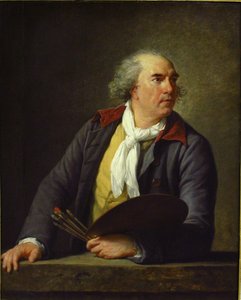
위베르 로베르
1733 - 1808 , 프랑스
작가 정보 요약
- Artistic Movement Or Style: 낭만주의, 신고전주의
- Artists Or Movements Influenced By This Artist: ['낭만주의']
- Artists Who Influenced This Artist:
- 조반니 파니니
- 피라네시
- Date Of Birth: 1733년 5월 22일
- Date Of Death: 1808년 4월 15일
- Full Name: 위베르 로베르(Hubert Robert)
- Nationality: 프랑스인
- Notable Artworks (List Of Titles):
- 로마 항구
- 갈라테아의 비행
- 루브르 미술관
- Place Of Birth (City And Country): 프랑스 파리
관련 기사

낭만 풍경화의 황홀! 예술사에 빛난 10대 걸작 탐구 | 와후아트
낭만주의 시대, 예술혼을 불태운 10대 풍경화 걸작! 터너부터 프리드리히까지, 시대를 초월하는 아름다움을 와후아트에서 만나보세요. 고흐의 색채와 코로의 섬세함이 당신의 공간에 영감을 더합니다. 지금 바로 와후아트에서 명품 미술 작품을 감상하고 구매하세요!

Hubert Robert: Picturing Ruins, Preserving Memory – A Study of Romantic Antiquarianism & Artistic Innovation
Explore the captivating world of Hubert Robert, master of Romantic landscape painting & 'capriccio' ruins. Discover his historical context, artistic innovations, and collecting insights with OriginalUniqueArt.

Evocations of Place: A Historical Journey Through Landscape Art
Explore the rich history of landscape art with OriginalUniqueArt. Discover renowned artists, movements like Impressionism & Romanticism, and expert guidance for collecting timeless pieces. Find your perfect serene escape today!

The Sublime and the Picturesque: Exploring Emotion & Nature in Romantic Landscape Painting
Explore the emotional power of Romantic landscape painting! Discover the sublime & picturesque traditions, key artists like Friedrich & Cole, and find your perfect artwork at OriginalUniqueArt.
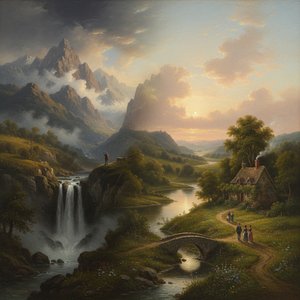
The Sublime and the Picturesque: Exploring Emotion & Nature in Romantic Landscape Painting
Explore the emotional power of Romantic landscape painting! Discover the sublime & picturesque aesthetics, key artists like Friedrich & Cole, and lasting influence on art history. Find your perfect piece at OriginalUniqueArt.