Romanticism · 1790
Painters (위베르 로베르, 1790)
위베르 로베르 (1733–1808) 작가의 Painters 1790년에 제작되었습니다. Romanticism 운동에 속합니다. Acrylic On Canvas(으)로 제작되었습니다. 상트페테르부르크, 러시아에 위치한 에르미타주 박물관에 소장되어 있습니다. 크기는 24 × 32 cm입니다.
- 1790
- Acrylic On Canvas
- 24 × 32 cm
- 에르미타주 박물관, 상트페테르부르크

 미리보기

 수작업 유화 작품
 공유하기
 공유하기
 학습용 요약본


 다운로드
 유사 작품 더 보기
 X-레이
 슬라이드 쇼 보기
 질의응답

 통계 정보
Painters 요약
- 제목
- Painters
- 작가
- 위베르 로베르 (1733–1808)
- 작가 출생지
- 파리, 프랑스
- 제작 연도
- 1790
- 매체
- Acrylic On Canvas
- 크기
- 24 × 32 cm
- 전시 장소
- 에르미타주 박물관, 상트페테르부르크, 러시아
- 운동성
- Romanticism
- 주제
- landscapes, ruins, figures, daytime, field, workers
Painters은(는) 무엇을 묘사하고 있나요?
Hubert Robert’s “Painters”: A Vision of Ruin and Remembrance
Hubert Robert's "Painters," painted in 1790, isn’t merely a depiction of laborers at work; it’s a carefully constructed meditation on labor, time, and the enduring power of memory. The scene unfolds within a rugged, almost theatrical landscape – a dramatic vista dominated by a towering rock formation, its weathered surface hinting at centuries of exposure to the elements. Two figures, rendered with a subtle realism that belies Robert's penchant for romanticized ruins, are engaged in the arduous task of carving stone. One, positioned atop the rock, directs the work with a commanding presence, while the other, lower down, meticulously shapes the material beneath him. The composition isn’t about capturing a specific moment; it’s about evoking a feeling – a sense of timelessness and the relentless passage of time, beautifully intertwined with the human effort to impose order upon nature.
Robert's style is distinctly rooted in the Neoclassical tradition, yet infused with the burgeoning Romantic sensibility that was beginning to challenge its rigid formality. He masterfully employs atmospheric perspective – the subtle blurring and darkening of distant elements – to create a profound sense of depth and space. The light, diffused and golden, washes over the scene, casting long shadows and highlighting the textures of the rock and the figures’ clothing. Notice how Robert utilizes loose brushstrokes, particularly in the depiction of the landscape, creating an impressionistic effect that anticipates later developments in art history. This deliberate softness contrasts with the sharper detail given to the men themselves, suggesting a focus on their individual struggles within the grand scheme of nature.
The Context of Labor and Ruin
To fully appreciate “Painters,” it’s crucial to understand Robert's artistic interests – particularly his fascination with ruins. Following the upheavals of the French Revolution, a renewed interest in antiquity and the past emerged, fueled by archaeological discoveries and a desire to reconnect with a perceived lost sense of order and stability. Robert, like many artists of his time, found inspiration in the decaying grandeur of Roman temples and medieval castles, transforming these remnants into evocative landscapes – ‘capriccios’ as he called them. These weren't simply artistic exercises; they were explorations of memory, loss, and the cyclical nature of history. The very act of painting ruins became a way to preserve a fading past, imbuing it with new life and meaning.
The figures depicted in “Painters” represent a specific segment of 18th-century French society – laborers engaged in essential but often overlooked work. Robert’s choice to portray them within such a dramatic landscape elevates their status, suggesting that even the most humble tasks are worthy of artistic attention. The scene subtly critiques the social hierarchies of the time, presenting these men not as mere workers, but as active participants in shaping the world around them. The rock formation itself can be interpreted as a symbol of enduring strength and resilience – a testament to the power of human labor against the forces of nature.
Symbolism and Emotional Resonance
Beyond its straightforward depiction of work, “Painters” is rich in symbolic meaning. The towering rock formation, with its weathered surface, represents the weight of history and the passage of time. The figures’ focused expressions convey a sense of dedication and perseverance, but also hint at the physical strain of their labor. Robert's use of color – predominantly earthy tones punctuated by flashes of gold – evokes feelings of warmth, nostalgia, and perhaps even melancholy. The overall effect is one of quiet contemplation, inviting the viewer to reflect on the relationship between humanity and nature, work and memory.
The inclusion of animals—a horse and a dog—adds another layer of complexity to the scene. Animals have long been associated with labor and service in art, symbolizing loyalty, strength, and connection to the natural world. Their presence reinforces the theme of human interaction with the environment, suggesting a harmonious coexistence – albeit one marked by hard work and enduring effort. “Painters” is not simply a landscape; it’s a carefully orchestrated tableau that speaks volumes about the values and anxieties of its time.
A Timeless Masterpiece: Reproduction Considerations
Reproductions of Hubert Robert's “Painters” offer a remarkable opportunity to bring this evocative artwork into your home or office. The meticulous detail captured by Robert’s brushstrokes, combined with his masterful use of light and shadow, translates beautifully to high-quality reproductions. When selecting a reproduction, pay close attention to the texture and color accuracy – features that are crucial for capturing the painting's atmospheric depth and emotional resonance. OriginalUniqueArt offers meticulously crafted hand-painted reproductions that faithfully recreate Robert’s original vision, ensuring that you experience the full impact of this timeless masterpiece.
Painters은(는) 어느 미술관에 소장되어 있나요?
에르미타주 박물관
상트페테르부르크, 러시아
에르미타주 박물관의 기원과 역사 에르미타주 박물관의 역사는 1764년, 베를린의 상인 요한 에른스트 고츠코프스키로부터 225점의 회화 작품을 수집하며 그 서막을 올렸습니다. 대제 카트린이 이 컬렉션을 시작으로 러시아 상트페테르부르크에 박물관의 기틀을 마련하였으며, 이 초기 수집품들은 훗날 서구 유럽 예술의 방대한 보고가 될 핵심적인 토대가 되었습니다. 본래 황실 가족만을 위한 은밀한 안식처로 시작된 이 공간은 1852년에 이르러 비로소 대중에게 개방된 공공의 장소로 탈바꿈하였습니다.


Painters의 고해상도 이미지

위베르 로베르, Painters (1790), 에르미타주 박물관. 퍼블릭 도메인
Painters에 관한 질문과 답변
위베르 로베르의 "Painters"의 원화는 어디에서 감상할 수 있나요?
위베르 로베르의 "Painters"은(는) 언제 제작되었나요?
위베르 로베르의 "Painters"에는 어떤 기법이 사용되었나요?
원작 "Painters"의 크기는 어떻게 되나요?
"Painters" 원작의 크기는 24 x 32 cm입니다. 원작의 규격은 복제본 사이즈를 선택하실 때 유용한 참고 자료가 됩니다.
위베르 로베르의 "Painters"에는 어떤 소재가 등장하나요?
"Painters"은(는) 저작권으로부터 자유로운가요?
위베르 로베르의 "Painters"은(는) 어떤 미술 사조에 속하나요?
"Painters"은(는) Romanticism 양식의 작품입니다. 이 사조는 해당 작품이 속한 예술적 전통을 나타냅니다.
아티스트 위베르 로베르 소개
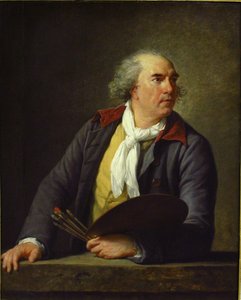
1733–1808, 프랑스
위베르 로베르
유년 시절, 가족 그리고 예술적 훈련 1733년 파리에서 태어난 위베르 로베르는 가족의 사회적 지위가 타인을 향한 헌신과 맞닿아 있던 세상에 발을 들였습니다. 그의 아버지 니콜라 로베르는 저명한 인물의 가문에서 직책을 맡고 있었는데, 이러한 인연은 훗날 젊은 위베르 로베르가 프랑스 상류 사회의 정점으로 나아가는 발판이 되었습니다. 이러한 초기 삶의 안정성은 그가 콜레주 드 나바르(Collège de Navarre)라는 체계적인 환경 속에서 정규 교육을 받을 수 있는 토대가 되었으며, 1751년 예수회 아래에서 학업을 마친 그는 시각 예술로 눈을 돌리기 전 이미 절제된 지적 배경을 갖춘 인물로 성장해 있었습니다. 하지만 그의 첫 행보가 처음부터 캔버스를 향했던 것은 아니었습니다.
위베르 로베르의 다른 작품들
 The Pont du Gard1787
 The Finding of the Laocoön1773
 Le port de Ripetta
 PROJET D'AMENAGEMENT DE LA GRANDE GALERIE DU LOUVRE

Painters 관련 에세이
 인상주의를 정의한 걸작 10점: 예술, 역사, 그리고 홈 데코 영감모네, 르누아르 등 인상주의 거장들의 명작을 만나보세요. 빛과 색채의 혁신적인 기법으로 탄생한 예술 작품 속 역사와 감동을 느껴보세요. OriginalUniqueArt.com에서 고품질 미술 작품을 온라인으로 감상하고 특별한 홈 데코 영감을 얻으세요.
 Hubert Robert: Picturing Ruins, Preserving Memory – A Study of Romantic Antiquarianism & Artistic InnovationExplore the captivating world of Hubert Robert, master of Romantic landscape painting & 'capriccio' ruins. Discover his historical context,…
 Emotion vs. Observation: A Guide to Romanticism and RealismMaster the differences between Romanticism and Realism through expert analysis. Discover the art of emotion versus observation now.