
 미리보기
미리보기
 공유하기
공유하기 공유하기
공유하기
 상세 정보
상세 정보

 다운로드
다운로드
 유사 작품
유사 작품 X-레이
X-레이 슬라이드 쇼
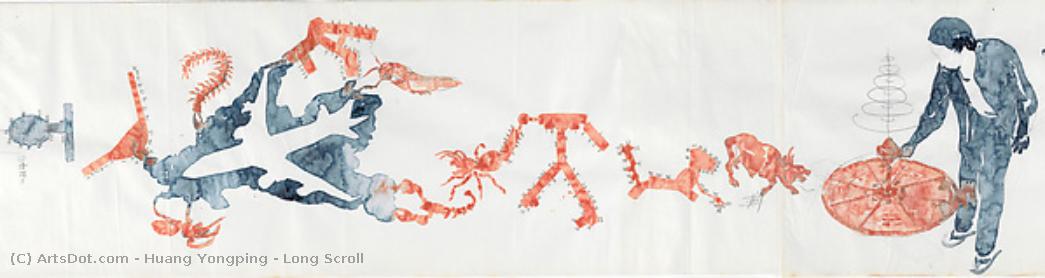
Long Scroll
 Contemporary Dada
 2001
2001 34.0 x 1532.0 cm
 더 보기
더 보기
수제 유화 복제품
원하는 크기와 액자로 주문 제작되는, 작가들이 직접 캔버스에 손으로 그린 유화 작품입니다. ( 프린트 주문으로 전환 이미지로 전환)




































작품의 원본 비율을 유지하는 미리 설정된 크기 중에서 선택하세요.

특정 프레임이나 공간에 맞도록 직접 크기를 입력할 수 있습니다. 선택하신 크기가 원본 이미지의 비율과 일치하지 않는 경우, 작품을 자르거나 추가적인 손으로 그린 요소를 사용하여 그림을 확장합니다. 제작 시작 전 승인을 위해 디지털 목업을 보내드립니다.
화면 미리 보기는 실제 자르기 또는 확장을 반영하지 않습니다. 최종 구성은 목업을 통해서만 정확하게 확인하실 수 있습니다.
맞춤 크기 제작도 가능하지만, 원본 비율을 유지하기 위해 사전 정의된 목록에서 크기를 선택하시는 것을 권장합니다.
주문 후 OriginalUniqueArt.com 팀에서 상세 안내를 위해 고객님께 이메일을 보내드리며, 미리보기 시안을 제공해 드립니다.


 유리 옵션은 110cm 미만 크기에서만 선택 가능합니다.

Long Scroll
재현 기법
복제본 크기
-


최종 결제 금액
$ 375
작품 상세 설명
작가 약력
A Provocateur of Perception: The Life and Art of Huang Yongping
Huang Yongping, a name synonymous with conceptual audacity and philosophical inquiry in contemporary Chinese art, emerged as a pivotal figure challenging established norms and prompting critical reflection on history, culture, and the very nature of artistic creation. Born in Xiamen, Fujian Province, China, in 1954, his journey began amidst the tumultuous final years of Mao Zedong’s rule and unfolded through decades of profound societal transformation. Unlike many artists who followed a traditional academic path, Huang's early exposure to art was largely self-directed, fueled by an insatiable curiosity and a rebellious spirit. He initially studied mechanical engineering at Xiamen University, a background that would later profoundly influence his sculptural installations and his fascination with deconstruction. The Cultural Revolution cast a long shadow over his formative years, instilling in him a deep skepticism towards authority and a desire to dismantle conventional ideologies—themes that permeate his entire oeuvre. His early artistic endeavors were rooted in the avant-garde movement of the 1980s, specifically within the Xiamen Dada group, where he experimented with performance art and installation, often employing provocative imagery and challenging materials. This period was characterized by a rejection of socialist realism and an embrace of Western conceptual art practices, though Huang never simply adopted these ideas wholesale; instead, he filtered them through his own unique cultural lens.Deconstructing History: The Evolution of a Unique Aesthetic
Huang Yongping’s artistic development is marked by a consistent interrogation of power structures and the narratives they construct. He quickly moved beyond purely formal experimentation to create works that directly confronted China's complex history, particularly its relationship with Western imperialism and traditional cultural values. A turning point came in the late 1980s with his large-scale installations, which often involved meticulously recreating historical artifacts or iconic objects—only to then subject them to a process of deliberate destruction or alteration. “The Bridge,” created in 1988, exemplifies this approach. The work consisted of a painstakingly reconstructed replica of a traditional Chinese bridge, built from discarded materials and destined for eventual decay, symbolizing the fragility of cultural heritage and the inevitable passage of time. This act wasn’t merely destructive; it was a symbolic dismantling of idealized notions of history and tradition. His fascination with Western philosophy, particularly Nietzsche and Derrida, further informed his deconstructive practice. He sought to expose the inherent contradictions within systems of thought and representation, questioning the very foundations upon which knowledge is built. This philosophical underpinning led him to explore themes of chaos, randomness, and the limitations of human understanding. He wasn’t interested in offering solutions or definitive answers; rather, he aimed to provoke dialogue and encourage viewers to question their own assumptions about the world around them.Major Achievements and Iconic Works
Throughout his career, Huang Yongping produced a series of groundbreaking works that cemented his reputation as one of China’s most important contemporary artists. “The Theatre of the World” (1993), perhaps his most ambitious project, stands as a testament to his conceptual rigor and theatrical sensibility. This monumental installation comprised a vast landscape populated by hundreds of live animals—snakes, lizards, birds, and insects—interacting with miniature replicas of famous monuments from around the world. The work was presented within a darkened space, creating an unsettling atmosphere that evoked both wonder and anxiety. It served as a powerful metaphor for the interconnectedness of all living things and the precarious balance between civilization and nature. Another significant achievement is his series of “Wash Paintings,” which involved meticulously painting traditional Chinese landscapes onto large sheets of industrial plastic, then crumpling or folding them, disrupting their serene beauty with deliberate acts of distortion. These works challenged the conventional aesthetics of Chinese ink painting while simultaneously acknowledging its enduring power. “Lady from the Southern Dynasties” (1996), a life-sized sculpture of a reclining female figure constructed from metal and found objects, further exemplifies his exploration of cultural identity and gender roles. The work’s fragmented form and unsettling materiality challenged traditional representations of femininity in Chinese art history.Historical Significance and Lasting Legacy
Huang Yongping's impact on contemporary Chinese art is undeniable. He played a crucial role in challenging the dominance of socialist realism and paving the way for a more diverse and experimental artistic landscape. His work resonated with a generation of artists grappling with questions of identity, history, and cultural change in post-Mao China. He was among the first to openly address sensitive political issues and critique the legacy of colonialism, setting a precedent for greater freedom of expression within the art world.- His deconstructive approach influenced countless artists exploring themes of fragmentation, memory, and representation.
- Huang’s willingness to embrace unconventional materials and techniques expanded the boundaries of sculptural practice in China.
- He fostered a critical dialogue about the relationship between art, philosophy, and politics.

주요 정보
- Artistic Movement Or Style: Neo-Conceptual Art
- Date Of Death: Living
- Full Name: Huang Yongping
- Nationality: Chinese
- Notable Artworks:
- The Bridge
- Lady from the Southern Sea
- War Machine
관련 기사 더 보기

The Enduring Power of Paint: A Journey Through Art History & Technique
Explore the rich history of painting! Discover master techniques from Renaissance to Modern art. Find museum-quality reproductions & expert advice at OriginalUniqueArt.

Watercolor Wonders: 10 Masterpieces That Redefined Art History | OriginalUniqueArt
Journey through 10 legendary watercolor masterpieces by Sargent, Turner & Homer! Explore iconic landscapes, portraits & floral art that redefined history. Find museum-quality reproductions and curated decor ideas at OriginalUniqueArt.com.
Xie Zhiliu: A Legacy of Ink Wash Painting & Modern Chinese Literati Tradition
Explore the legacy of Xie Zhiliu, a master of Chinese ink wash painting & prominent figure in modern art. Discover his techniques, influences, and contributions to literati tradition. A guide for discerning collectors.

Ephemeral Visions: Exploring the Artistic Legacy & Nuances of Watercolor Painting
Explore the captivating world of watercolor painting! Discover its rich history, essential techniques, influential artists & collecting tips from art experts. A comprehensive guide for enthusiasts.
에드바르 뭉크 대표작 25선: 불안과 고독을 담은 예술의 심연 (OriginalUniqueArt)
에드바르 뭉크의 대표작 25선을 만나보세요. '절규'를 비롯한 불안과 고독을 담은 표현주의 걸작들의 숨겨진 이야기와 예술적 의미를 OriginalUniqueArt에서 탐험하세요. 명화 복제, 인테리어 액자 등 다양한 컬렉션을 온라인으로 감상하고 특별한 공간을 완성해보세요.

