미리보기
미리보기
 프린트 구매
 공유하기
공유하기 공유하기
공유하기
 상세 정보
상세 정보

 다운로드
다운로드
 유사 작품
유사 작품 X-레이
X-레이 슬라이드 쇼
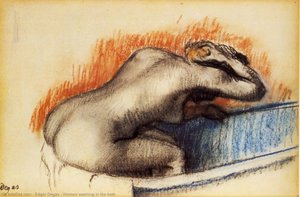
The Bath
 Pastel
- Impressionism
 1883
1883- 19th Century
 50.0 x 33.0 cm
 더 보기
더 보기




P118B $10

P118H $10

P118W $10

P438Z $10

P508JH $12

P508YH $12

P805H $10

P805Z $10

P919BZ $10

P919G $10

P919XJ $10

P959ZH $10

P968JZ $12

W106C $8

W218G $10

W218JH $8

W218Y $10

W307PJ $10

W316G $10

W316PJ $8

W316Y $10

W398PJ $8

W4111J $10

W500HY $15

W500JH $15

W692G $12

W849H $8

W940BG $15

W953PJ $8




작품의 원본 비율을 유지하는 미리 설정된 크기 중에서 선택하세요.

특정 프레임이나 공간에 맞도록 직접 크기를 입력할 수 있습니다. 선택하신 크기가 원본 이미지의 비율과 일치하지 않는 경우, 작품을 자르거나 추가적인 손으로 그린 요소를 사용하여 그림을 확장합니다. 제작 시작 전 승인을 위해 디지털 목업을 보내드립니다.
화면 미리 보기는 실제 자르기 또는 확장을 반영하지 않습니다. 최종 구성은 목업을 통해서만 정확하게 확인하실 수 있습니다.
맞춤 크기 제작도 가능하지만, 원본 비율을 유지하기 위해 사전 정의된 목록에서 크기를 선택하시는 것을 권장합니다.
주문 후 OriginalUniqueArt.com 팀에서 상세 안내를 위해 고객님께 이메일을 보내드리며, 미리보기 시안을 제공해 드립니다.


 유리 옵션은 110cm 미만 크기에서만 선택 가능합니다.

The Bath
재현 기법
복제본 크기
-


최종 결제 금액
$ 300
A Moment Frozen in Pastel: Edgar Degas’ “The Bath”
Edgar Degas’ “The Bath,” painted around 1883, isn't merely a depiction of a woman preparing for her toilette; it’s a carefully constructed tableau brimming with quiet observation and an intimate understanding of the human experience. This pastel masterpiece, housed in private collections but frequently studied through reproductions, offers a rare glimpse into Degas’ evolving artistic vision – a shift away from the grand narratives of history painting towards a more personal and psychologically nuanced approach to everyday life. The work immediately draws the viewer in with its soft, diffused light and the delicate application of pastel crayons, creating an atmosphere of serene intimacy that belies the subtle complexities beneath the surface.
Degas’s choice of medium – pastel – is crucial to understanding the painting's impact. Unlike oil paints, pastels offer a remarkable immediacy and spontaneity. The artist directly applies pigment to the paper, allowing for rapid changes in tone and texture. This technique lends itself perfectly to capturing fleeting moments and subtle nuances of light and shadow, mirroring Degas’ fascination with movement and his desire to represent subjects as they truly exist – not idealized or romanticized. The loose, almost sketch-like quality of the pastel strokes contributes to a sense of immediacy, inviting us into this private moment as if we are witnesses to an intimate scene.
Intimism and the Domestic Interior
“The Bath” is firmly rooted in the burgeoning art movement known as Intimism. Emerging in the late 19th century, Intimism sought to depict scenes of domestic life – particularly those within private interiors – with a focus on emotional resonance and psychological depth. Unlike earlier academic approaches that prioritized grand historical narratives or idealized beauty, Intimist artists aimed to capture the quiet dramas and subtle emotions experienced by ordinary people in their everyday surroundings. Degas’s work exemplifies this shift, moving away from public spectacle towards the intimate sphere of domesticity.
The painting's composition reinforces this focus on the private. The woman, partially obscured by a flowing towel, is presented as an enigmatic figure, her face turned slightly away from the viewer. This deliberate ambiguity invites speculation and encourages us to project our own interpretations onto her – is she lost in thought? Is she anticipating something? Or simply enjoying a moment of quiet solitude? The surrounding details—the partially visible bed, the basin with its sponge, the perfume bottles—add layers of context without explicitly defining the woman’s identity or circumstances. This deliberate restraint allows the viewer to engage actively with the painting and construct their own narrative.
A Study in Light, Shadow, and Gesture
Degas' masterful use of light and shadow is central to the painting’s evocative power. The soft, diffused light suggests a late afternoon or early evening, casting gentle shadows across the bed linens and creating a sense of warmth and intimacy. Notice how he uses highlights to draw attention to the woman’s body – particularly her leg draped over the edge of the bed – while simultaneously obscuring other details with subtle shading. This careful manipulation of light not only creates visual interest but also contributes to the painting's overall mood of quiet contemplation.
Furthermore, Degas captures a sense of movement through his use of gestural brushstrokes. The flowing towel, the slightly tilted head, and the relaxed posture all convey a feeling of effortless grace and naturalness. These subtle gestures suggest that this is not a posed or staged scene but rather a candid moment captured in time. The painting feels alive with an unspoken energy, hinting at the private rituals and quiet dramas that unfold within the domestic sphere.
Symbolism and the Modern Woman
Beyond its technical brilliance, “The Bath” is rich in symbolic meaning. The woman’s partially unclothed state speaks to themes of vulnerability, intimacy, and the changing role of women in late 19th-century society. While Degas was known for his depictions of dancers and public life, this painting represents a shift towards exploring more personal and introspective subjects. The inclusion of details like the perfume bottles and the basin suggests a focus on self-care and the rituals associated with female identity – reflecting the growing emphasis on domesticity and feminine sensibilities during this period.
The open doorway in the background hints at the possibility of an unseen observer, adding a layer of mystery to the scene. It also subtly references the voyeuristic gaze—a common theme in Degas’s work—and invites us to consider the dynamics of privacy and observation within the domestic setting. “The Bath” is not simply a portrait of a woman preparing for her toilette; it's a complex and layered meditation on identity, intimacy, and the quiet dramas of everyday life – a testament to Degas’s remarkable ability to capture the essence of human experience with subtle grace and profound insight.
작가 약력
움직임에 몰입한 삶
1834년 파리에서 히레르 가르메인 에드가 드가라는 이름으로 태어난 에드가 드가는 매혹적인 모순을 품은 예술가였습니다. 19세기 후반 회화의 혁명을 일으킨 모네, 르누아르 등과 함께 인상주의 화가로 자주 분류되곤 하지만, 그는 정작 그 명칭을 거부하며 자신을 사실주의자로 정의하고자 했습니다. 이러한 고집은 주변 세계를 세밀하게 관찰하고, 타협 없는 정직함으로 이를 묘란하려는 그의 예술적 헌신에서 비롯되었습니다. 드가의 유년 시절은 매우 안정적인 부르주아 계층이었습니다. 아버지는 은행가였고 어머니는 뉴올리언스의 크레올 가문 출신이었기에, 그는 수준 높은 교육과 예술적 훈련을 받을 수 있는 환경에서 자랐습니다. 비록 학문적 제약에 종종 답답함을 느끼기도 했지만 말입니다. 처음에는 리세 루이 르 그랑에 입학했으나, 그의 진정한 교육은 루브르 박물관에서 작품들을 모사하며 시작되었습니다. 이 과정에서 그는 기술을 연마함과 동시에 고전 예술에 대한 평생의 열정을 불태웠습니다. 그러나 드가의 행보는 결코 전통에만 머무르지 않았습니다. 그는 끊임없이 예술적 규범에 의문을 제기하고 재평가하며, 자신의 전 생애를 관통할 독립적인 예술가 정신을 구축해 나갔습니다.
인상주의를 넘어: 독창적인 예술적 비전
모네와 같은 동시대 화가들이 야외에서 빛의 찰나를 쫓았던 것과 달리, 드가는 주로 작업실이라는 제한된 공간 안에서 관찰과 기억을 바탕으로 장면들을 정교하게 구축해 나갔습니다. 그의 소재는 확연히 현대적이었습니다. 이는 당시 많은 아카데미 화가들이 선호하던 역사적 혹은 신화적 주제로부터의 과감한 탈피였습니다. 그는 파리 시민들의 일상적인 삶에서 영감을 얻었습니다. 세탁부, 카바레 가수, 모자 제작자, 그리고 무엇보다 유명한 무용수들이 그의 주인공이었습니다. 특히 발레에 대한 이 매혹적인 시선은 그의 작품 세계를 정의하는 핵심 요소입니다. 드가는 단순히 아름다운 발레리나를 그린 것이 아니었습니다. 그는 끝없는 연습, 육체적 고통, 그리고 고된 노동의 세계 속에서 피어나는 찰나의 우아함 등 그 직업이 가진 가혹한 현실을 포착해냈습니다. 그의 구도는 종종 파격적이었습니다. 인물을 예상치 못한 방식으로 잘라내거나 비대칭적인 배치를 활용하여 역동성과 즉각성을 만들어냈습니다. 그는 흐릿한 선이나 몽환적인 효과가 아닌, 정밀한 관찰과 형태의 세심한 묘사를 통해 움직임을 포착해낸 거장이었습니다. 무용수, 무용수 무리와 머리를 빗는 여인들은 움직이는 인체를 묘사하고 현대 삶의 복잡성을 드러내고자 했던 그의 헌신을 보여주는 대표적인 예시입니다. 그는 표면적인 아름다움에 머물지 않고, 그 이면에 숨겨진 진실을 밝히고자 했습니다.
영향과 예술적 발전
드가의 예술적 여정은 다양한 영향력에 의해 형성되었습니다. 초기 훈련 과정에서는 데생과 정밀한 형태를 강조했던 장 오귀스트 도미니크 앵그르의 고전적 원칙을 깊이 학습하며 그에게 지울 수 없는 인상을 남겼습니다. 동시에 그는 아카데미의 관습에 도전하고 현대 삶의 묘사를 옹호했던 귀스타브 쿠르베와 같은 사실주의 화가들에게도 경의를 표했습니다. 그의 발전 과정에서 결정적인 순간은 인상주의의 선구자인 카미유 피사로와의 만연한 교류였습니다. 피사로는 드가에게 다른 예술가들을 소개해주었을 뿐만 아니라 새로운 기법을 실험하도록 독려했습니다. 또한 그는 일본의 판화인 우키요에에 매료되었는데, 이는 그의 작품 속 비대칭적 구도, 평면적인 원근법, 그리고 대담한 패턴 사용에 큰 영향을 미쳤습니다. 더불어 그는 사진 기술을 적극적으로 수용하여, 움직임을 연구하고 찰나의 순간을 포착하는 도구로서 그 잠재력을 알아보았습니다. 이처럼 다양한 요소를 자신의 작업에 통합하려는 의지는 드가를 독보적인 존재로 만들었으며 그의 예술에 고유한 성격을 부여했습니다. 그는 서로 다른 원천에서 영감을 빌려오는 것을 두려워하지 않았고, 이를 합성하여 완전히 새로운 무언가를 창조해냈습니다.
유산과 지속적인 영향력
1917년 파리에서 생을 마감한 에드가 드가가 남긴 작품들은 오늘날까지도 관객들을 매료시키며 영감을 주고 있습니다. 구도에 대한 그의 혁신적인 접근, 거장다운 데생 능력, 그리고 현대 삶에 대한 가차 없는 묘사는 미술사의 흐름에 깊은 발자취를 남겼습니다. 그는 전통적인 관습에서 벗어나 세상을 표현하는 새로운 방식을 탐구하고자 했던 후대 예술가들을 위한 길을 열어주었습니다. 그의 영향력은 파블로 피카소와 앙리 마티스 등의 작품에서도 뚜렷하게 찾아볼 수 있습니다. 파리의 오르세 미술관과 오랑주리 미술관을 포함하여 전 세계의 주요 미술관들은 그의 회화, 파스텔, 조각, 판화 작품들을 소장하며 그의 유산이 다음 세대까지 영원히 이어지도록 하고 있습니다. 드가는 단순히 무용수나 경주마를 그리는 화가가 아니었습니다. 그는 인간 본성을 꿰뚫어 보는 예리한 관찰자였으며, 형태와 움직임의 거장이자 예술의 가능성을 재정의한 진정한 혁신가였습니다.
- 선의 거장: 드가의 탁월한 데생 능력은 그를 독보적인 위치에 올려놓았습니다.
- 주제가 된 현대적 삶: 그는 전통에서 벗어나 동시대 파리의 풍경에 집중했습니다.
- 후대 예술가들에게 미친 영향: 그의 작업은 피카소와 마티스에게 깊은 영향을 주었습니다.
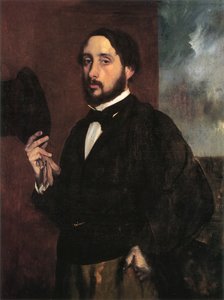
히레르 가르메인 에드가 드가
1834 - 1917 , 프랑스
주요 정보
- Artistic Movement Or Style: 인상주의 레알리스모
- Artists Or Movements Influenced By This Artist:
- 파블로 피카소
- 헨리 마티스
- Artists Who Influenced This Artist:
- 앙드레 드 오그레스
- 거슈트 코르베
- 카미유 피사로
- Date Of Birth: 1834년 7월 19일 파리 프랑스
- Date Of Death: 1917년 9월 27일 파리 프랑스
- Full Name: Hilaire Germain Edgar De Gas
- Nationality: 프랑스인
- Notable Artworks:
- 발레의 무대 세트
- 발레 수업
- 데가스의 초록 재킷
- 경마 경기장
- 마주보는 여성들
- Place Of Birth: 파리 프랑스
관련 기사 더 보기

The Subtleties of Pastel: A Comprehensive Exploration of Technique, History & Emotional Resonance
Explore the captivating world of pastel art! Discover its rich history, Impressionistic masters like Degas, emotional power & unique techniques. Find museum-quality reproductions at OriginalUniqueArt.

Edgar Degas: Capturing Modern Life – A Study of Movement, Observation, and the Parisian Belle Époque
Explore the captivating world of Edgar Degas! Discover his innovative techniques, iconic ballet paintings, and unique portrayal of Parisian life in this insightful art history study.
The Subdued Radiance of Pastel Palettes: Exploring Emotional Resonance in Art History
Explore the emotional power of pastel palettes in art history! Discover Impressionism, Post-Impressionism & color psychology insights. Find museum-quality reproductions at OriginalUniqueArt.
The Soft Power of Pastel: A Connoisseur's Guide to History, Technique, and the Art of Texture
Explore the ethereal beauty of pastel art. From Renaissance origins to Impressionist mastery, discover the history, technique, and velvety textures that define this luminous medium in our expert guide for art connoisseurs.

Soft Light & Velvet Touch: The Ethereal Magic of Pastel Artistry in Impressionist Masterpieces
Discover the ethereal beauty of pastel art through an Impressionist lens. Explore how masters like Monet and Renoir captured light and velvet textures, and learn to curate a collection of luminous, museum-quality masterpieces for your home.