
 미리보기
미리보기
 공유하기
공유하기 공유하기
공유하기
 상세 정보
상세 정보

 다운로드
다운로드
 유사 작품
유사 작품 X-레이
X-레이 슬라이드 쇼
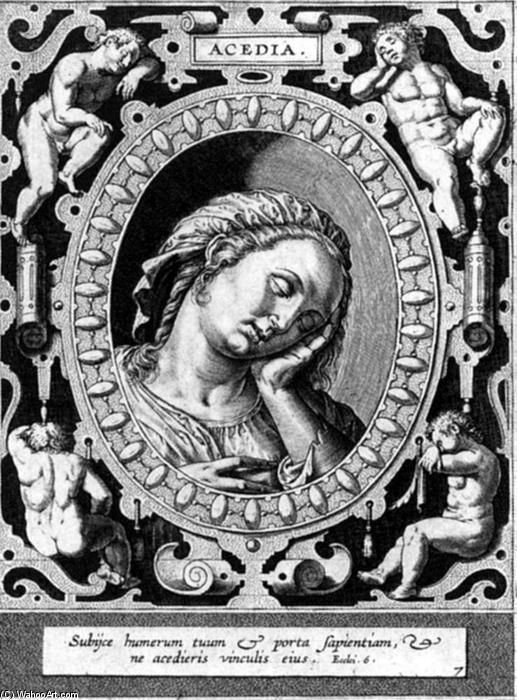
Acedia


 더 보기
더 보기
온라인 미리보기보다 훨씬 뛰어난 품질의 고해상도 디지털 이미지를 구매해 보세요.
각 파일은 사내 전문가가 고급 도구와 숙련된 수동 리터칭 기술을 사용하여 세심하게 준비합니다. 우리는 모든 이미지가 탁월한 선명도, 정확한 색상 재현력, 그리고 미세한 디테일까지 완벽하게 갖추도록 보장합니다.
최종 파일은 전문적인 편집 및 인쇄 환경에서 즉시 사용할 수 있도록 최적화되어 72시간 이내에 이메일로 발송됩니다. 이는 세계적인 디자인 스튜디오, 출판사 및 갤러리가 신뢰하는 것과 동일한 품질입니다.
디지털 이미지
개인 소장 및 전시, 인쇄, 창작 프로젝트를 위한 고해상도 파일을 다운로드하세요. ( 프린트 주문으로 전환 수제 페인팅으로 전환하기)
모든 디지털 이미지 주문에 포함된 혜택
전문적인 디지털 이미지 전송 보장
OriginalUniqueArt.com를 선택하시면 단순히 이미지를 받는 것을 넘어, 정밀한 보정 과정을 거친 전문적인 디지털 예술 작품을 만나보실 수 있습니다. 모든 작품에는 만족 보장 서비스가 함께 제공되며, 주문 시 다음과 같은 사항들이 자동으로 포함됩니다:

빠른 이메일 전송
주문 후 72시간 이내에 고해상도 디지털 이미지 파일이 이메일로 발송되며, 즉시 사용하실 수 있습니다.

AI 기술로 향상된 디지털 파일
귀하의 작품은 고급 AI 도구와 수동 편집 과정을 거쳐 전문적으로 최적화되며, 이를 통해 디테일과 선명도, 색상의 정확도를 극대화합니다.

평생 무료 재전송 서비스
파일을 실수로 삭제하거나 분실하셨나요? 걱정 마세요. 언제든 무료로 다시 보내드립니다.

추가 수입 비용 없음 - 언제나
관세나 부가세, 배송비 부담 없이 작품을 즉시 감상하세요 - 디지털 다운로드는 언제나 면세 혜택이 적용됩니다.

정확한 색상 보장
전문적인 도구와 색상 관리 시스템을 통해 디지털 이미지가 원본의 색상을 최대한 정확하게 구현하도록 보장합니다.

60일 만족 보장제
구매하신 디지털 이미지에 만족하지 못하실 경우, 60일 이내에 수정 또는 100% 환불을 진행해 드립니다 - 어떠한 문의도 필요 없습니다.

100% 환불 보장
만족하지 못하셨나요? 디지털 파일을 수령하신 후 60일 이내라면 별도의 이유를 밝힐 필요 없이 전액 환불해 드립니다.

대량 주문 할인
이미지 3매 구매 시 10% 할인 - 5매 구매 시 15% 할인 - 10매 이상 구매 시 20% 할인. 크리에이티브 프로젝트, 갤러리, 에이전시에 매우 유용합니다.
수집품 상세 설명
A Study in Slumber: Hieronymus Wierix’s “Acedia”
Hieronymus Wierix's "Acedia," a meticulously rendered engraving from around 1600, isn’t merely a depiction of a sin; it’s a profound meditation on the human condition – a hauntingly beautiful exploration of apathy and the seductive allure of inaction. Created during a period of intense religious upheaval in the Netherlands, this work speaks to the anxieties and moral complexities of its time, offering a timeless reflection on the struggle between spiritual aspiration and worldly comfort.
The image centers upon a female figure, embodying Acedia itself, her posture radiating an almost unbearable languor. She rests her head upon her hand, a gesture simultaneously vulnerable and defiant. Around her swirl symbolic elements designed to amplify the sin’s insidious nature. To her right, a young man gazes into a mirror, lost in self-admiration – a potent representation of vanity, a distraction from the true path. Across from him, a figure pours water upon a stone, an act of futile cleansing, suggesting a desperate but ultimately ineffective attempt to wash away the consequences of idleness. The background is filled with intricate patterns and small putti-like figures, adding layers of complexity and hinting at the spiritual battles waged within the human soul.
The Master’s Technique: Engraving as Revelation
Wierix was a master of the engraving technique, renowned for his ability to achieve astonishing detail and tonal variation through careful manipulation of line. This particular print is a prime example; the image is constructed from thousands of precisely incised lines, creating a surface that appears both smooth and textured simultaneously. The artist’s use of hatching and cross-hatching – layering parallel lines to build up shadow – is particularly noteworthy, lending depth and volume to the figures and background elements. The monochrome palette—a carefully orchestrated range of grays from near black to pale white—heightens the sense of melancholy and emphasizes the stark contrast between light and darkness, mirroring the internal struggle depicted within the scene.
The process itself was demanding, requiring immense patience and skill. The artist would first create a copper plate, meticulously drawing the design with a needle or stylus. Then, using acid, he would incise the lines into the metal surface. Finally, the plate was inked and pressed onto paper, transferring the image in reverse. This painstaking method is evident in every delicate line and subtle shading, underscoring Wierix’s dedication to his craft.
Symbolism and Spiritual Weight
Beyond its immediate visual impact, “Acedia” is rich with symbolic meaning. The central figure represents not just laziness but a deeper spiritual malaise – a detachment from God and a failure to embrace virtue. The mirror symbolizes vanity, a trap that draws the viewer away from introspection and genuine connection. The pouring water signifies an attempt at purification, yet it’s ultimately ineffective against the root cause of the sin: a lack of will. The putti figures, often associated with angels or divine messengers, could represent the constant temptation to stray from the righteous path.
Wierix was deeply influenced by the religious art of the Renaissance and early Baroque periods, particularly the works of Albrecht Dürer, whose meticulous detail and symbolic imagery he greatly admired. This print reflects a similar commitment to conveying moral lessons through carefully constructed visual narratives – a testament to the enduring power of art as a vehicle for spiritual instruction.
A Timeless Reflection: Reproduction and Inspiration
Reproductions of “Acedia” offer a remarkable opportunity to experience the artistry and emotional depth of this iconic engraving. Whether displayed in a private collection or incorporated into an interior design scheme, this image evokes a sense of quiet contemplation and invites viewers to consider their own relationship with virtue, temptation, and the pursuit of meaning. Wierix’s masterful rendering of human emotion and his profound understanding of symbolism continue to resonate today, making “Acedia” a timeless masterpiece that transcends its historical context.
작가 소개
The Master of the Intricate Line: The Life of Hieronymus Wierix
In the bustling, vibrant heart of sixteenth-century Antwerp, a period defined by both immense artistic flourishing and profound religious upheaval, the name Hieronymus Wierix emerged as a hallmark of technical perfection. Born in 1553 into a lineage of celebrated engravers, Wierich was not merely an artist but a scion of a formidable dynasty. His brothers, Jan and Antoine, were equally vital to the Antwerp printmaking tradition, yet Hieronymus possessed a singular ability to translate complex theological narratives into miniature masterpieces of unparalleled precision. His early training under Jerome Manacker provided him with a rigorous foundation in the classical ideals of the Renaissance, but it was his immersion in the industrious atmosphere of the Plantin Press that truly forged his destiny. Joining the prestigious workshop of Christophe Plantin at the tender age of seventeen, Wierix began a prolific journey that would see him produce hundreds of engravings, each serving as a window into the spiritual and political soul of the Low Countries.
The artistry of Wierix is characterized by an almost hypnotic level of detail, often executed on a remarkably small scale. This intimacy requires the viewer to lean in, discovering a world where every cross-hatch and fine line contributes to a larger, more profound symbolic language. His work serves as a bridge between the meticulous, structured compositions of the Northern Renaissance—reminiscent of the legendary Albrecht Dürer—and the burgeoning emotional drama of the Baroque era. In works such as St Michael Slaying the Dragon, one can witness this transition; the composition possesses the structural integrity of the earlier masters, yet it is infused with a dynamic energy and a sense of divine struggle that anticipates the theatricality of the seventeenth century.
Symbolism, Sin, and the Sacred Narrative
Beyond mere technical virtuosity, Wierix was a master storyteller who utilized the medium of engraving to explore the deepest recesses of the human condition. His prints often functioned as visual sermons, designed to provoke contemplation on morality, virtue, and the eternal struggle between good and evil. This is perhaps most strikingly evident in his allegorical explorations of the Seven Deadly Sins. In his depiction of Acedia, Wierix employs a captivating visual narrative to illustrate the paralyzing nature of sloth and spiritual apathy. Through carefully orchestrated symbolism, he transforms a psychological state into a tangible, haunting image that resonates with both theological depth and artistic grace.
The artist’s repertoire also extended into the profound mysteries of the Christian faith, where he sought to render the divine in a way that was both accessible and awe-inspiring. His Earthly and Heavenly Trinity stands as a testament to his ability to weave complex theological concepts into a cohesive, textured visual experience. In these works, the interplay of light and shadow—achieved through masterful control of the burin—creates a sense of depth that makes the sacred figures appear almost tactile. This capacity to marry the intellectual rigor of humanist thought with the visceral impact of religious devotion allowed his prints to circulate widely across Europe, making him a vital agent in the dissemination of both art and ideology during the Dutch Revolt.
Legacy of an Antwerp Master
The historical significance of Hieronymus Wierix lies not only in the beauty of his individual plates but in his role as a cornerstone of the Flemish printmaking tradition. His career, spanning from the late sixteenth century into the early seventeenth, coincided with some of the most transformative decades in European history. As a member of the Wierix family, he helped establish Antwerp as the preeminent center for the production and distribution of high-quality prints, a legacy that influenced generations of engravers to follow. His ability to navigate the shifting political landscapes of his time—incorporating allegorical and even political themes into his work—demonstrates an artist who was deeply attuned to the pulse of his era.
Today, when we examine the works of Wierix, we see more than just relics of a bygone age; we see the pinnacle of a craft where the hand of the artist and the edge of the tool work in perfect harmony. His contributions can be summarized through several enduring achievements:
- Technical Mastery: The refinement of fine-line engraving techniques that allowed for unprecedented detail on a miniature scale.
- Cultural Influence: A significant role in the global dissemination of religious and humanist ideas through the medium of print.
- Stylistic Synthesis: The successful integration of Renaissance precision with Baroque emotional intensity.
- Dynastic Contribution: Strengthening the prestige of the Antwerp school of engraving through his collaboration with the Plantin Press.

Hieronymus Wierix
1553 - 1619

