
 실제 크기로 보기
 보내기
보내기 공유하기
공유하기
 상세 보기
상세 보기 가이드 보기

 이미지 다운로드
 유사 작품 더 보기
 X-레이
X-레이 슬라이드 쇼 보기
 통계 정보
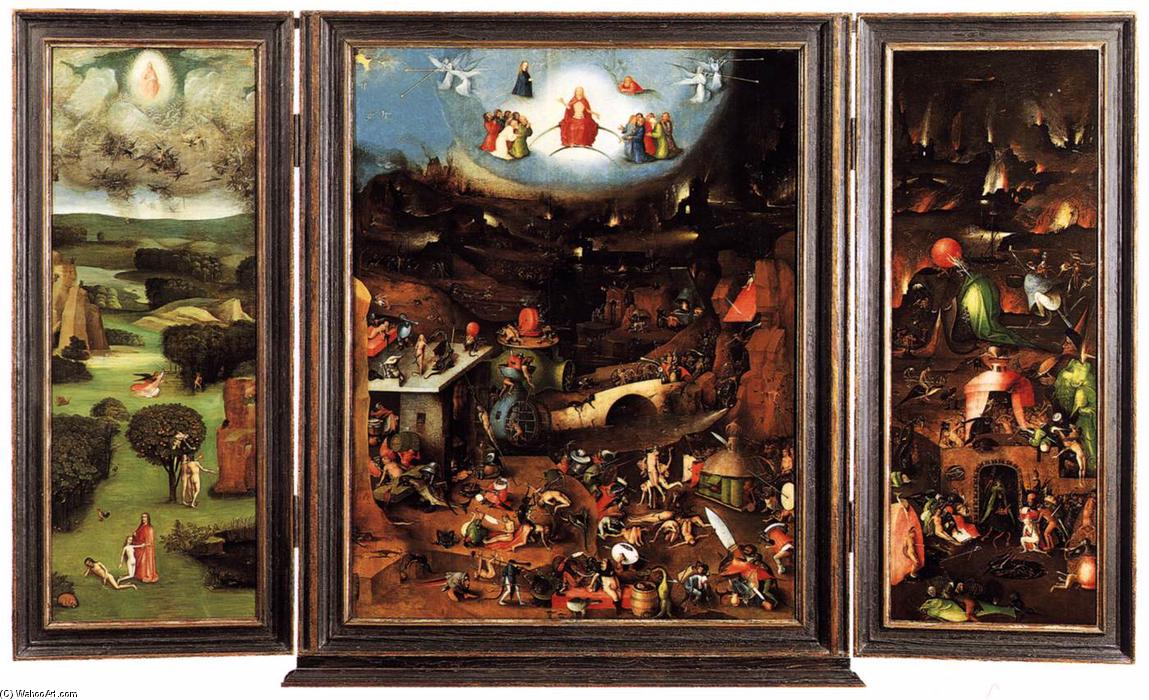
통계 정보Last Judgement Triptych
 캔버스 위 아크릴 물감
- 벽 장식물
- Early Netherlandish Painting
 1504
1504 163.0 x 128.0 cm
 Academy of Fine Arts Vienna
 상세 보기
상세 보기
지클레 / 아트 프린트
빠른 제작과 다양한 마감 옵션을 선택할 수 있는 박물관 수준의 지클레이 및 캔버스 프린트. ( 수작업 채색 복제본 주문하기 디지털 이미지 판매 채널로 전환)




P118B ₩10

P118H ₩10

P118W ₩10

P438Z ₩10

P508JH ₩12

P508YH ₩12

P805H ₩10

P805Z ₩10

P919BZ ₩10

P919G ₩10

P919XJ ₩10

P959ZH ₩10

P968JZ ₩12

W106C ₩8

W218G ₩10

W218JH ₩8

W218Y ₩10

W307PJ ₩10

W316G ₩10

W316PJ ₩8

W316Y ₩10

W398PJ ₩8

W4111J ₩10

W500HY ₩15

W500JH ₩15

W692G ₩12

W849H ₩8

W940BG ₩15

W953PJ ₩8




작품의 원본 비율을 그대로 유지하는 프리셋 사이즈 중에서 선택해 보세요.

액자나 벽면 크기에 맞춰 필요한 가로와 세로 길이를 입력해 주세요. 프린트는 원본 이미지보다 크게 제작할 수 없으며 오직 자르는 것만 가능하므로, 비율이 다른 사이즈를 선택할 경우 이미지의 일부가 잘려 나갈 수 있습니다. 인쇄 작업에 들어가기 전, 최종 확인을 위해 디지털 목업을 보내드립니다. 이 페이지에 표시된 이미지는 실제 잘리는 영역을 나타내지 않으며, 오직 목업을 통해서만 정확한 확인이 가능합니다.


 유리 옵션은 110cm 미만 크기에서만 선택 가능합니다.

Last Judgement Triptych
지클레 / 아트 프린트
복제본 규격
-


총 결제 금액
₩ 108288
A Symphony of Suffering and Divine Justice
Hieronymus Bosch’s “Last Judgement Triptych,” completed around 1504, stands as one of the most unsettling and profoundly symbolic masterpieces of the Early Netherlandish Renaissance. More than just a depiction of biblical prophecy, it's an immersive experience into a realm of grotesque imagination—a visual distillation of Bosch’s preoccupation with mortality, sin, and God’s inescapable judgment.
The Anatomy of Hell
Painted on oak panels in oil tempera and gold leaf, the triptych assaults the senses with its sheer scale and disturbing imagery. Bosch abandons traditional religious iconography for a visceral portrayal of hell—a landscape populated by monstrous creatures, tormented souls, and grotesque distortions of human form. The central panel dominates the composition, presenting an infernal panorama teeming with demons, tortured figures, and symbolic representations of damnation.
Genesis Revisited: A Tale of Temptation and Expulsion
The left wing recounts the biblical narrative of Adam and Eve’s fall from grace. Bosch meticulously recreates the Garden of Eden, populated by exquisitely rendered angels battling for dominion over souls. The depiction of Eve succumbing to Lucifer's temptation is fraught with psychological tension—a moment of profound moral transgression captured in breathtaking detail. Above all, Bosch portrays God extracting Eve from Adam’s rib, symbolizing the divine creation and the subsequent corruption of humanity.
The Triumph of Faith Amidst Chaos
Moving to the right wing, Bosch presents a vision of Heaven—a serene tableau dominated by angelic figures and saints. The upper archway showcases Jesus Christ enthroned in majesty, surrounded by Mary and John the Baptist, embodying divine compassion and righteousness. Below this celestial scene is Noah carrying the ark over his head, symbolizing salvation from impending catastrophe. The panel’s meticulous execution underscores Bosch's belief in the ultimate triumph of faith over darkness.
Symbolism Unleashed: Decoding Bosch’s Vision
Beyond its visual spectacle, “Last Judgement” is laden with symbolism—a language of grotesque imagery designed to provoke contemplation and instill fear. Bosch employs recurring motifs—such as serpents, skulls, and tormented faces—to convey the pervasive influence of sin and death. The artist’s masterful use of color—particularly the vibrant reds and yellows of hell contrasted against the muted tones of heaven—amplifies the emotional impact of the scene.
A Legacy of Horror
“Last Judgement” cemented Bosch's reputation as a visionary artist who dared to confront the darkest aspects of human experience. Its influence extended far beyond its time, inspiring artists and writers for centuries to come—a testament to Bosch’s enduring power to unsettle and inspire.
질의응답
증강 현실(AR)을 사용하여 제 방에 헤라클레스 보스흐의 "Last Judgement Triptych"를 배치해 볼 수 있나요?
"Last Judgement Triptych"은(는) 증강 현실 미리보기를 제공합니다. 작품의 AR 미리보기 페이지를 통해 호환 가능한 기기에서 여러분의 공간에 배치된 작품을 확인해 보세요.
헤라클레스 보스흐의 "Last Judgement Triptych"의 슬라이드쇼를 볼 수 있는 곳이 있나요?
헤라클레스 보스흐의 "Last Judgement Triptych"은(는) 작품의 슬라이드쇼 페이지에서 슬라이드쇼로 감상하실 수 있습니다.
헤라클레스 보스흐의 "Last Judgement Triptych"은 밝은 분위기의 작품인가요, 아니면 어두운 분위기의 작품인가요?
헤라클레스 보스흐의 "Last Judgement Triptych"의 느껴지는 밝기는 어두움입니다. 이는 의도한 공간의 조명과 조화를 이룰 수 있습니다.
작가 소개
네덜란드의 수수께끼: 히에로니무스 보스흐의 삶과 예술
1450년경, 당시 브라반트 영토의 일부였던 네덜란드의 활기차고 북적이는 도시 '스헤르토헨보스'에서 태어난 히에로니무스 보스흐(본명 예로니무스 반 아켄)는 미술사에서 가장 매혹적이면서도 신비로운 인물로 남아 있습니다. 그의 세계는 중세 후기의 종교적 열정과 민담, 그리고 점증하던 사회적 불안감으로 가득 차 있었으며, 이 모든 요소는 그의 독특하고도 기묘한 예술적 비전을 형성하는 밑거름이 되었습니다. 화가로서 오랜 전통을 지닌 가문에서 태어난 그는 할아버지인 얀 반 아켄과 아버지 안토니우스 반 아켄으로부터 예술적 재능을 물려받았습니다. 보스흐는 아마도 가문의 작업실에서 초기 교육을 받으며 네덜란드 회화의 기법과 관습을 흡수했을 것입니다. 그러나 형성기 시절부터 그는 이미 기존의 규범에서 벗어나기 시작했으며, 이는 훗날 그의 경력을 정의하게 될 비범한 상상력을 암시하고 있었습니다. 그의 생애에 관한 기록은 안타깝게도 매우 희박합니다. 파편화된 기록들은 많은 부분을 추측과 해석의 영역으로 남겨두었으며, 이는 예술가 본인과 그의 작품을 둘러싼 신비로운 아우라를 더욱 짙게 만듭니다. 그는 1481년 이전에 알레이트 고야르츠 반 덴 메르베엔과 결혼하였는데, 이 결합은 그녀의 가문 자산을 통해 그에게 어느 정도 경제적 안정을 제공했으나, 두 사람의 사적인 삶에 대해서는 알려진 바가 거의 없습니다.환상적인 비전과 상징의 심연
보스흐의 예술 양식은 한눈에 알아볼 수 있을 만큼 독보적입니다. 그것은 세밀한 묘사와 거침없는 상상력이 결로된 매혹적인 조화입니다. 그는 주로 오일 프레임 위 참나무 패널을 사용하여 작업하였는데, 매체를 다루는 탁월한 능력을 통해 빛나는 색채와 복잡한 질감을 구현해 냈습니다. 초기 작품들은 사실주의와 세밀함 측면에서 전통적인 네덜란드 회화의 영향을 보여주지만, 그는 곧 단순한 모방을 넘어 자신만의 심오하고 독창적인 비전을 발전시켰습니다. 그의 그림은 단순히 현실을 재현하는 것이 아닙니다. 그것은 꿈, 혹은 악몽 속에서 막 끄집어낸 듯한 기괴한 생명체와 혼종적 존재들, 그리고 불안한 장면들로 가득 찬 알레고리적 풍경입니다. 종교적 주제는 그의 작품 세계의 핵심을 이루지만, 이는 결코 성서 이야기를 평이하게 묘사하는 데 그치지 않습니다. 대신 보스흐는 상징을 사용하여 복잡한 도덕적, 신학적 개념을 탐구하며, 주로 죄의 위험성, 지상적 즐거움의 허망함, 그리고 피할 수 없는 신의 심판에 초점을 맞춥니다. 기괴한 악마, 환상적인 동물, 그리고 기묘하게 인간을 닮은 형상들은 단순한 장식 요소가 아니라, 타락과 유혹, 그리고 영적 부패를 형상화한 것입니다. 성스러운 것과 속된 것, 아름다움과 괴기스러움의 결합은 수 세기가 지난 지금까지도 관람객을 사로잡는 독특하고도 서늘한 효과를 만들어냅니다.도덕적 알레고리의 걸작들
보스흐의 가장 찬란한 업적 중 하나는 미술사에서 가장 수수께끼 같고 논쟁적인 작품으로 꼽히는 쾌락의 정원(c. 1490-1510)입니다. 이 삼연화(triptych)를 펼치면 낙원과 지상에서의 삶, 그리고 지옥이 파노라마처럼 펼쳐지며, 인류가 타락하는 과정을 복잡한 알레략리로 보여줍니다. 왼쪽 패널은 환상적인 생물들과 무성한 식물로 가득 찬 에덴동산을 묘사하고, 중앙 패널은 관능적 즐거움과 절제되지 않은 욕망에 잠식된 세상을 그려내며, 오른쪽 패널은 지옥의 고통을 공포스럽게 응시하게 합니다. 최후의 심판 삼연화(c. 1480-1490) 또한 천상의 축복과 지옥의 형벌을 동시에 묘사하는 그의 탁월한 기량을 보여주는 강력한 예시이며, 복된 자들의 승천(c. 1480-1490)은 천상적이고 꿈결 같은 장면을 창조하는 그의 능력을 증명합니다. 주님 공현(c. 1495)과 같은 작은 작품들조차 나무 위 유채 기법의 혁신적인 사용과 복잡한 상징성을 보여주며, 신앙과 도덕, 그리고 인간 조건에 대한 심오한 질문과 끊임없이 씨름했던 그의 정신세계를 드러냅니다.유산과 영원한 영향력 보스흐가 지닌 비전의 독창성을 고려할 때, 그의 직접적인 영향을 찾아내는 것은 매우 어려운 과제입니다. 학자들은 중세 민담, 특히 종말론적 주제를 강조하는 종교 문헌들, 그리고 이단에 대한 공포와 사회적 격변을 포함한 당시의 지배적인 불안감과의 연결 고리를 추측합니다. 그러나 분명한 것은 그가 이러한 요소들을 합성하여 완전히 새롭고 자신만의 독특한 무언가를 만들어냈다는 점입니다. 후대 예술가들에게 미친 그의 영향은 부정할 수 없습니다. 피터 브뤼헐은 그의 발자취를 직접적으로 따르며 유사한 주제와 구도적 기법을 채택하였고, 이후의 초현실주의 운동 또한 보스흐의 꿈같은 이미지와 무의식에 대한 탐구에서 영감을 얻었습니다. 살바도르 달리나 막스 에른스트 같은 예술가들은 자신의 작품이 그의 불안한 비전에 빚을 지고 있음을 공개적으로 인정하기도 했습니다. 오늘날에도 보스흐의 작품은 여전히 매혹과 논쟁을 불러일으키며, 네덜란드 회화의 거장이자 시대를 초월하여 영향력을 미치는 선구적 예술가로서의 위상을 공고히 하고 있습니다. 그의 그림은 15세기 후기와 16세기 초의 종교적, 사회적, 심리적 기후에 대한 귀중한 통찰을 제공하며, 기존의 규범에 도전하고 새로운 예술적 표현의 길을 열어주었습니다. 그는 1516년에 세상을 떠났지만, 그가 남긴 작품들은 여전히 우리를 뒤흔들고 영감을 주며, 미술사에서 가장 독보적이고 잊을 수 없는 목소리로서 그의 영원한 유산을 증명하고 있습니다.

헤라클레스 보스흐
1450 - 1516 , 네덜란드
작가 정보 요약
- Artistic Movement Or Style: 초현실주의 및 상징주의
- Artists Or Movements Influenced By This Artist: ['피터 브뤼겔 더 엘더']
- Date Of Birth: c. 1450
- Date Of Death: 1516
- Full Name: Hieronymus Bosch
- Nationality: 네덜란드인
- Notable Artworks:
- 지하의 정원과 즐거움의 정원
- 마지막 심판 트리пти히
- 성상의 상승
- Place Of Birth: Den Bosch, 네덜란드
관련 기사

Oil on Canvas: A Historical & Technical Exploration of a Timeless Artistic Medium
Explore the rich history & enduring techniques of oil painting on canvas. Discover the science behind its longevity, conservation practices, and contemporary relevance. Expert insights for art enthusiasts.
히에로니무스 보쉬 최고 걸작 25선: 신비로운 상상력의 세계 (Hieronymus Bosch Top 25 Masterpieces: A World of Mysterious Imagination)
히에로니무스 보쉬의 최고 걸작 25점을 만나보세요. 중세 미술 거장의 신비로운 상상력과 종교적 상징이 담긴 명작들을 감상하고, 오일 페인팅 기법과 독특한 화풍을 탐구하세요. OriginalUniqueArt.com에서 고품질 복제화와 인테리어 액자로 예술 작품을 소장하세요.

High Medieval Art: 10 Masterpieces That Shaped an Era | OriginalUniqueArt
Journey through High Medieval Art! Explore 10 iconic masterpieces – from Giotto's frescoes to stunning Gothic cathedrals. Discover the stories behind these timeless paintings, sculptures & illuminated manuscripts. Find museum-quality art reproductions at OriginalUniqueArt.com.

The Enduring Legacy of Oil on Canvas: Technique, History & Aesthetic Impact
Explore the rich history & techniques of oil painting – from Renaissance masters to Impressionism. Discover pigments, layering methods, and why this timeless medium endures. Expert insights for artists & art enthusiasts.
Hieronymus Bosch: Decoding the Visions of a Netherlandish Master
Explore the captivating world of Hieronymus Bosch! Delve into the symbolism, religious context, and artistic innovation of this Netherlandish master with OriginalUniqueArt's expert analysis. Discover his iconic paintings & lasting influence.


