미리보기
미리보기
 공유하기
공유하기 공유하기
공유하기
 상세 정보
상세 정보 Guide
Guide

 다운로드
다운로드
 유사 작품
유사 작품 X-레이
X-레이 슬라이드 쇼
 통계 정보
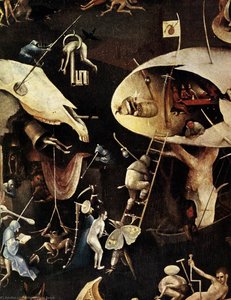
통계 정보Head of a Halberdier
 Oil On Panel
- Early Netherlandish
 1490
1490- Renaissance
 28.0 x 21.0 cm
 프라도 미술관
 더 보기
더 보기
수제 유화 복제품
원하는 크기와 액자로 주문 제작되는, 작가들이 직접 캔버스에 손으로 그린 유화 작품입니다. ( 프린트 판매로 전환 디지털 이미지로 전환)




P118B $10

P118H $10

P118W $10

P438Z $10

P508JH $12

P508YH $12

P805H $10

P805Z $10

P919BZ $10

P919G $10

P919XJ $10

P959ZH $10

P968JZ $12

W106C $8

W218G $10

W218JH $8

W218Y $10

W307PJ $10

W316G $10

W316PJ $8

W316Y $10

W398PJ $8

W4111J $10

W500HY $15

W500JH $15

W692G $12

W849H $8

W940BG $15

W953PJ $8




작품의 원본 비율을 유지하는 미리 설정된 크기 중에서 선택하세요.

특정 프레임이나 공간에 맞도록 직접 크기를 입력할 수 있습니다. 선택하신 크기가 원본 이미지의 비율과 일치하지 않는 경우, 작품을 자르거나 추가적인 손으로 그린 요소를 사용하여 그림을 확장합니다. 제작 시작 전 승인을 위해 디지털 목업을 보내드립니다.
화면 미리 보기는 실제 자르기 또는 확장을 반영하지 않습니다. 최종 구성은 목업을 통해서만 정확하게 확인하실 수 있습니다.
맞춤 크기 제작도 가능하지만, 원본 비율을 유지하기 위해 사전 정의된 목록에서 크기를 선택하시는 것을 권장합니다.
주문 후 OriginalUniqueArt.com 팀에서 상세 안내를 위해 고객님께 이메일을 보내드리며, 미리보기 시안을 제공해 드립니다.


 유리 옵션은 110cm 미만 크기에서만 선택 가능합니다.

Head of a Halberdier
재현 기법
복제본 크기
-


최종 결제 금액
$ 300
A Gaze into the Soul: Hieronymus Bosch’s ‘Head of a Halberdier’
Within the hallowed halls of the Prado Museum, nestled amongst the grandeur of Spanish art history, resides a deceptively small yet profoundly resonant work by the enigmatic master, Hieronymus Bosch – ‘Head of a Halberdier’. Often overlooked in favor of his more flamboyant and narrative-rich creations like “The Garden of Earthly Delights,” this oil on panel painting offers a concentrated distillation of Bosch’s unique artistic vision: a haunting meditation on mortality, authority, and the unsettling beauty of the human condition. Created around 1490, it's a window into a world where realism and symbolism intertwine with unnerving precision, inviting viewers to contemplate the complexities of existence long after they’ve turned away.
The subject is strikingly direct – a man rendered in meticulous detail, his features etched with an air of quiet contemplation. Dressed in a rich red jacket adorned with gold trim, he possesses a pronounced beard and mustache, lending him an aura of both authority and weariness. His downward gaze immediately draws the eye, creating a sense of intimacy as if sharing a secret or wrestling with an internal struggle. The background, rendered in a warm, almost amber hue, provides a subtle counterpoint to the figure’s intensity, suggesting a sanctuary of sorts – a space of reflection amidst a potentially turbulent world. Two birds, one perched delicately on his head and another flitting near the upper right corner, add layers of symbolic meaning, often associated with freedom, the soul, or perhaps even divine observation.
The Language of Symbols: Decoding Bosch’s Vision
Bosch was renowned for imbuing his paintings with a dense tapestry of symbolism, transforming seemingly simple scenes into elaborate allegories. In ‘Head of a Halberdier,’ the halberd itself is immediately significant – a weapon traditionally associated with military personnel and, by extension, authority, protection, and even judgment. However, Bosch rarely presents these symbols in a straightforward manner. The man’s contemplative expression suggests that this figure isn't merely an embodiment of power; he appears burdened, perhaps questioning the nature of his role or grappling with the consequences of his actions. The presence of the clock is particularly potent, a recurring motif in Bosch’s work that relentlessly reminds us of the fleeting passage of time and the inevitability of mortality – a central theme throughout his oeuvre.
Furthermore, the birds can be interpreted as emblems of spiritual aspiration or even divine intervention. Their placement within the composition subtly elevates the figure's contemplation, suggesting a connection to something beyond the earthly realm. The warm background color might represent hope and serenity, offering a brief respite from the anxieties suggested by the halberd and the clock. Bosch’s genius lies in his ability to weave these disparate elements together, creating an image that is both visually arresting and intellectually stimulating.
Early Netherlandish Mastery: Technique and Context
‘Head of a Halberdier’ exemplifies Bosch's mastery of the Early Netherlandish style, characterized by its remarkable realism, meticulous detail, and profound symbolic depth. The use of oil on panel allowed him to achieve an astonishing level of luminosity and texture, capturing the subtle nuances of light and shadow with breathtaking precision. Notice the careful rendering of the fabric, the individual strands of hair, and the glint of gold – each element contributes to the painting’s overall sense of realism. This technique was a hallmark of the period, building upon the innovations of artists like Jan van Eyck and Robert Campin.
Within the broader context of Bosch's oeuvre, ‘Head of a Halberdier’ stands as a compelling example of his exploration of morality, temptation, and the human condition. It shares thematic resonances with other significant works such as “The Garden of Earthly Delights” and “Temptation of St. Anthony,” all of which grapple with similar concerns about sin, redemption, and the perils of earthly desires. Bosch’s work was often commissioned by religious institutions, reflecting his deep engagement with theological themes – though his interpretations frequently diverged from orthodox teachings, offering a darkly satirical critique of societal norms.
A Timeless Reflection: Reproduction and Beyond
OriginalUniqueArt offers meticulously crafted hand-painted reproductions of ‘Head of a Halberdier’, allowing you to bring this captivating work into your own space. Our artists replicate Bosch’s intricate details, vibrant colors, and evocative symbolism with the utmost care, ensuring that your reproduction captures the essence of the original painting. Whether displayed in a private collection or incorporated into an interior design scheme, this artwork will serve as a constant source of contemplation and artistic appreciation. Explore our range of sizes and framing options to find the perfect way to showcase this remarkable piece of art history.
작가 약력
네덜란드의 수수께끼: 히에로니무스 보스흐의 삶과 예술
1450년경, 당시 브라반트 영토의 일부였던 네덜란드의 활기차고 북적이는 도시 '스헤르토헨보스'에서 태어난 히에로니무스 보스흐(본명 예로니무스 반 아켄)는 미술사에서 가장 매혹적이면서도 신비로운 인물로 남아 있습니다. 그의 세계는 중세 후기의 종교적 열정과 민담, 그리고 점증하던 사회적 불안감으로 가득 차 있었으며, 이 모든 요소는 그의 독특하고도 기묘한 예술적 비전을 형성하는 밑거름이 되었습니다. 화가로서 오랜 전통을 지닌 가문에서 태어난 그는 할아버지인 얀 반 아켄과 아버지 안토니우스 반 아켄으로부터 예술적 재능을 물려받았습니다. 보스흐는 아마도 가문의 작업실에서 초기 교육을 받으며 네덜란드 회화의 기법과 관습을 흡수했을 것입니다. 그러나 형성기 시절부터 그는 이미 기존의 규범에서 벗어나기 시작했으며, 이는 훗날 그의 경력을 정의하게 될 비범한 상상력을 암시하고 있었습니다. 그의 생애에 관한 기록은 안타깝게도 매우 희박합니다. 파편화된 기록들은 많은 부분을 추측과 해석의 영역으로 남겨두었으며, 이는 예술가 본인과 그의 작품을 둘러싼 신비로운 아우라를 더욱 짙게 만듭니다. 그는 1481년 이전에 알레이트 고야르츠 반 덴 메르베엔과 결혼하였는데, 이 결합은 그녀의 가문 자산을 통해 그에게 어느 정도 경제적 안정을 제공했으나, 두 사람의 사적인 삶에 대해서는 알려진 바가 거의 없습니다.환상적인 비전과 상징의 심연
보스흐의 예술 양식은 한눈에 알아볼 수 있을 만큼 독보적입니다. 그것은 세밀한 묘사와 거침없는 상상력이 결로된 매혹적인 조화입니다. 그는 주로 오일 프레임 위 참나무 패널을 사용하여 작업하였는데, 매체를 다루는 탁월한 능력을 통해 빛나는 색채와 복잡한 질감을 구현해 냈습니다. 초기 작품들은 사실주의와 세밀함 측면에서 전통적인 네덜란드 회화의 영향을 보여주지만, 그는 곧 단순한 모방을 넘어 자신만의 심오하고 독창적인 비전을 발전시켰습니다. 그의 그림은 단순히 현실을 재현하는 것이 아닙니다. 그것은 꿈, 혹은 악몽 속에서 막 끄집어낸 듯한 기괴한 생명체와 혼종적 존재들, 그리고 불안한 장면들로 가득 찬 알레고리적 풍경입니다. 종교적 주제는 그의 작품 세계의 핵심을 이루지만, 이는 결코 성서 이야기를 평이하게 묘사하는 데 그치지 않습니다. 대신 보스흐는 상징을 사용하여 복잡한 도덕적, 신학적 개념을 탐구하며, 주로 죄의 위험성, 지상적 즐거움의 허망함, 그리고 피할 수 없는 신의 심판에 초점을 맞춥니다. 기괴한 악마, 환상적인 동물, 그리고 기묘하게 인간을 닮은 형상들은 단순한 장식 요소가 아니라, 타락과 유혹, 그리고 영적 부패를 형상화한 것입니다. 성스러운 것과 속된 것, 아름다움과 괴기스러움의 결합은 수 세기가 지난 지금까지도 관람객을 사로잡는 독특하고도 서늘한 효과를 만들어냅니다.도덕적 알레고리의 걸작들
보스흐의 가장 찬란한 업적 중 하나는 미술사에서 가장 수수께끼 같고 논쟁적인 작품으로 꼽히는 쾌락의 정원(c. 1490-1510)입니다. 이 삼연화(triptych)를 펼치면 낙원과 지상에서의 삶, 그리고 지옥이 파노라마처럼 펼쳐지며, 인류가 타락하는 과정을 복잡한 알레략리로 보여줍니다. 왼쪽 패널은 환상적인 생물들과 무성한 식물로 가득 찬 에덴동산을 묘사하고, 중앙 패널은 관능적 즐거움과 절제되지 않은 욕망에 잠식된 세상을 그려내며, 오른쪽 패널은 지옥의 고통을 공포스럽게 응시하게 합니다. 최후의 심판 삼연화(c. 1480-1490) 또한 천상의 축복과 지옥의 형벌을 동시에 묘사하는 그의 탁월한 기량을 보여주는 강력한 예시이며, 복된 자들의 승천(c. 1480-1490)은 천상적이고 꿈결 같은 장면을 창조하는 그의 능력을 증명합니다. 주님 공현(c. 1495)과 같은 작은 작품들조차 나무 위 유채 기법의 혁신적인 사용과 복잡한 상징성을 보여주며, 신앙과 도덕, 그리고 인간 조건에 대한 심오한 질문과 끊임없이 씨름했던 그의 정신세계를 드러냅니다.유산과 영원한 영향력 보스흐가 지닌 비전의 독창성을 고려할 때, 그의 직접적인 영향을 찾아내는 것은 매우 어려운 과제입니다. 학자들은 중세 민담, 특히 종말론적 주제를 강조하는 종교 문헌들, 그리고 이단에 대한 공포와 사회적 격변을 포함한 당시의 지배적인 불안감과의 연결 고리를 추측합니다. 그러나 분명한 것은 그가 이러한 요소들을 합성하여 완전히 새롭고 자신만의 독특한 무언가를 만들어냈다는 점입니다. 후대 예술가들에게 미친 그의 영향은 부정할 수 없습니다. 피터 브뤼헐은 그의 발자취를 직접적으로 따르며 유사한 주제와 구도적 기법을 채택하였고, 이후의 초현실주의 운동 또한 보스흐의 꿈같은 이미지와 무의식에 대한 탐구에서 영감을 얻었습니다. 살바도르 달리나 막스 에른스트 같은 예술가들은 자신의 작품이 그의 불안한 비전에 빚을 지고 있음을 공개적으로 인정하기도 했습니다. 오늘날에도 보스흐의 작품은 여전히 매혹과 논쟁을 불러일으키며, 네덜란드 회화의 거장이자 시대를 초월하여 영향력을 미치는 선구적 예술가로서의 위상을 공고히 하고 있습니다. 그의 그림은 15세기 후기와 16세기 초의 종교적, 사회적, 심리적 기후에 대한 귀중한 통찰을 제공하며, 기존의 규범에 도전하고 새로운 예술적 표현의 길을 열어주었습니다. 그는 1516년에 세상을 떠났지만, 그가 남긴 작품들은 여전히 우리를 뒤흔들고 영감을 주며, 미술사에서 가장 독보적이고 잊을 수 없는 목소리로서 그의 영원한 유산을 증명하고 있습니다.

헤라클레스 보스흐
1450 - 1516 , 네덜란드
주요 정보
- Artistic Movement Or Style: 초현실주의 및 상징주의
- Artists Or Movements Influenced By This Artist: ['피터 브뤼겔 더 엘더']
- Date Of Birth: c. 1450
- Date Of Death: 1516
- Full Name: Hieronymus Bosch
- Nationality: 네덜란드인
- Notable Artworks:
- 지하의 정원과 즐거움의 정원
- 마지막 심판 트리пти히
- 성상의 상승
- Place Of Birth: Den Bosch, 네덜란드
관련 기사 더 보기
Hieronymus Bosch: Decoding the Visions of a Netherlandish Master
Explore the captivating world of Hieronymus Bosch! Delve into the symbolism, religious context, and artistic innovation of this Netherlandish master with OriginalUniqueArt's expert analysis. Discover his iconic paintings & lasting influence.

The Enduring Legacy of Oil on Canvas: Technique, History & Aesthetic Impact
Explore the rich history & techniques of oil painting – from Renaissance masters to Impressionism. Discover pigments, layering methods, and why this timeless medium endures. Expert insights for artists & art enthusiasts.

The Enduring Power of Painting: A Historical & Contemporary Exploration of Form and Emotion
Explore the rich history & enduring techniques of oil painting with OriginalUniqueArt. Discover masterpieces, learn about art collecting, and find authentic handmade reproductions crafted by skilled artists.
히에로니무스 보쉬 최고 걸작 25선: 신비로운 상상력의 세계 (Hieronymus Bosch Top 25 Masterpieces: A World of Mysterious Imagination)
히에로니무스 보쉬의 최고 걸작 25점을 만나보세요. 중세 미술 거장의 신비로운 상상력과 종교적 상징이 담긴 명작들을 감상하고, 오일 페인팅 기법과 독특한 화풍을 탐구하세요. OriginalUniqueArt.com에서 고품질 복제화와 인테리어 액자로 예술 작품을 소장하세요.

Oil on Canvas: A Historical & Technical Exploration of a Timeless Artistic Medium
Explore the rich history & enduring techniques of oil painting on canvas. Discover the science behind its longevity, conservation practices, and contemporary relevance. Expert insights for art enthusiasts.