실제 크기로 보기
 보내기
보내기 공유하기
공유하기
 상세 보기
상세 보기 가이드 보기

 이미지 다운로드
 유사 작품 더 보기
 X-레이
X-레이 슬라이드 쇼 보기
 통계 정보
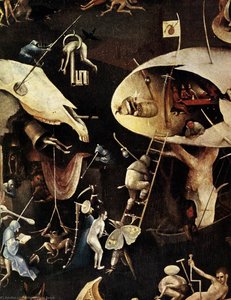
통계 정보Ecce Homo
 패널에 유채
- Early Netherlandish Painting
 1500
1500- 르네상스
 60.0 x 71.0 cm
 슈테델 미술관
 상세 보기
상세 보기
지클레 / 아트 프린트
빠른 제작과 다양한 마감 옵션을 선택할 수 있는 박물관 수준의 지클레이 및 캔버스 프린트. ( 수작업 채색 복제본 주문하기 디지털 이미지 판매 채널로 전환)




P118B $10

P118H $10

P118W $10

P438Z $10

P508JH $12

P508YH $12

P805H $10

P805Z $10

P919BZ $10

P919G $10

P919XJ $10

P959ZH $10

P968JZ $12

W106C $8

W218G $10

W218JH $8

W218Y $10

W307PJ $10

W316G $10

W316PJ $8

W316Y $10

W398PJ $8

W4111J $10

W500HY $15

W500JH $15

W692G $12

W849H $8

W940BG $15

W953PJ $8




작품의 원본 비율을 그대로 유지하는 프리셋 사이즈 중에서 선택해 보세요.

특정 프레임이나 공간에 맞춰 직접 치수를 입력하실 수 있습니다. 선택하신 사이즈가 원본 이미지의 비율과 일치하지 않을 경우, 작품을 크롭(자르기)하거나 이미지를 대칭 또는 단색 채우기로 확장하여 제작합니다. 제작 시작 전, 최종 확인을 위해 디지털 목업이 전송됩니다.
화면상의 미리보기는 실제 크롭이나 확장 상태를 반영하지 않으므로, 최종 구도는 오직 목업을 통해서만 정확하게 확인하실 수 있습니다.
맞춤 사이즈 제작도 가능하지만, 원본 비율을 유지하기 위해서는 사전 정의된 목록에서 치수를 선택하시는 것을 권장합니다.


 유리 옵션은 110cm 미만 크기에서만 선택 가능합니다.

Ecce Homo
지클레 / 아트 프린트
복제본 규격
-


총 결제 금액
$ 80
A Moment of Profound Humanity: Exploring Bosch’s *Ecce Homo* (c. 1490s)
This poignant depiction of Christ presented to the crowd – “Behold the Man” (*Ecce Homo*) – offers a compelling glimpse into Hieronymus Bosch's unique artistic vision, revealing his mastery of detail and profound understanding of human emotion within a pivotal biblical scene.Subject & Narrative
This artwork portrays the dramatic moment described in the Gospel of John (19:5), where Pontius Pilate presents a scourged Jesus Christ to a hostile crowd. It’s not merely a historical depiction, but an invitation to contemplate suffering, judgment, and the weight of salvation. The composition is crowded and dynamic, focusing on the physical presentation of Christ – lowered by Nicodemus and John – amidst a throng of onlookers including Roman soldiers and grieving figures. Bosch skillfully captures the tension and emotional turmoil inherent in this crucial moment before the crucifixion.Style & Technique
Executed in oil paints on wood panel, this *Ecce Homo* exemplifies the meticulous detail characteristic of the Early Netherlandish painting tradition. Bosch’s style is instantly recognizable for its blend of realism and fantastical elements. While grounded in observable reality – evident in the architectural setting and anatomical rendering of figures – a subtle undercurrent of unease permeates the scene, hinting at the artist's broader concerns with human fallibility and spiritual struggle. The technique involves layering glazes to build up color and form, creating a luminous effect and rich textures achieved through visible brushstrokes (impasto). Lines are used extensively to define forms, particularly in the drapery and stonework.Historical Context & Symbolism
Created around the 1490s, this painting reflects the religious fervor of the late medieval period. The *Ecce Homo* motif was a common subject in Christian art, serving as a powerful reminder of Christ’s sacrifice. However, Bosch infuses the scene with his own distinctive symbolism. The grief-stricken expressions of the onlookers emphasize the human cost of sin and redemption. The presence of Roman soldiers underscores the political context of Christ's trial and execution. The architectural setting – a tower doorway leading to a city skyline – may symbolize the transition between earthly suffering and heavenly hope, or perhaps the confines of worldly existence.Emotional Impact & Interpretation
Bosch’s *Ecce Homo* evokes a complex range of emotions: sorrow, piety, contemplation, and even a sense of foreboding. The painting is not simply about witnessing Christ's suffering; it's about confronting our own mortality and the consequences of human actions. The crowded composition and dramatic lighting intensify the emotional impact, drawing the viewer into the heart of the scene. It’s a work that invites prolonged engagement and encourages reflection on themes of faith, sacrifice, and the enduring power of hope in the face of adversity.For Collectors & Designers
- A striking focal point for any collection of Renaissance art.
- Its rich color palette and detailed composition complement both traditional and contemporary interiors.
- The painting’s profound emotional depth adds a layer of intellectual and spiritual resonance to any space.
- High-quality reproductions capture the nuances of Bosch's technique, making this masterpiece accessible for discerning art enthusiasts.
작가 소개
네덜란드의 수수께끼: 히에로니무스 보스흐의 삶과 예술
1450년경, 당시 브라반트 영토의 일부였던 네덜란드의 활기차고 북적이는 도시 '스헤르토헨보스'에서 태어난 히에로니무스 보스흐(본명 예로니무스 반 아켄)는 미술사에서 가장 매혹적이면서도 신비로운 인물로 남아 있습니다. 그의 세계는 중세 후기의 종교적 열정과 민담, 그리고 점증하던 사회적 불안감으로 가득 차 있었으며, 이 모든 요소는 그의 독특하고도 기묘한 예술적 비전을 형성하는 밑거름이 되었습니다. 화가로서 오랜 전통을 지닌 가문에서 태어난 그는 할아버지인 얀 반 아켄과 아버지 안토니우스 반 아켄으로부터 예술적 재능을 물려받았습니다. 보스흐는 아마도 가문의 작업실에서 초기 교육을 받으며 네덜란드 회화의 기법과 관습을 흡수했을 것입니다. 그러나 형성기 시절부터 그는 이미 기존의 규범에서 벗어나기 시작했으며, 이는 훗날 그의 경력을 정의하게 될 비범한 상상력을 암시하고 있었습니다. 그의 생애에 관한 기록은 안타깝게도 매우 희박합니다. 파편화된 기록들은 많은 부분을 추측과 해석의 영역으로 남겨두었으며, 이는 예술가 본인과 그의 작품을 둘러싼 신비로운 아우라를 더욱 짙게 만듭니다. 그는 1481년 이전에 알레이트 고야르츠 반 덴 메르베엔과 결혼하였는데, 이 결합은 그녀의 가문 자산을 통해 그에게 어느 정도 경제적 안정을 제공했으나, 두 사람의 사적인 삶에 대해서는 알려진 바가 거의 없습니다.환상적인 비전과 상징의 심연
보스흐의 예술 양식은 한눈에 알아볼 수 있을 만큼 독보적입니다. 그것은 세밀한 묘사와 거침없는 상상력이 결로된 매혹적인 조화입니다. 그는 주로 오일 프레임 위 참나무 패널을 사용하여 작업하였는데, 매체를 다루는 탁월한 능력을 통해 빛나는 색채와 복잡한 질감을 구현해 냈습니다. 초기 작품들은 사실주의와 세밀함 측면에서 전통적인 네덜란드 회화의 영향을 보여주지만, 그는 곧 단순한 모방을 넘어 자신만의 심오하고 독창적인 비전을 발전시켰습니다. 그의 그림은 단순히 현실을 재현하는 것이 아닙니다. 그것은 꿈, 혹은 악몽 속에서 막 끄집어낸 듯한 기괴한 생명체와 혼종적 존재들, 그리고 불안한 장면들로 가득 찬 알레고리적 풍경입니다. 종교적 주제는 그의 작품 세계의 핵심을 이루지만, 이는 결코 성서 이야기를 평이하게 묘사하는 데 그치지 않습니다. 대신 보스흐는 상징을 사용하여 복잡한 도덕적, 신학적 개념을 탐구하며, 주로 죄의 위험성, 지상적 즐거움의 허망함, 그리고 피할 수 없는 신의 심판에 초점을 맞춥니다. 기괴한 악마, 환상적인 동물, 그리고 기묘하게 인간을 닮은 형상들은 단순한 장식 요소가 아니라, 타락과 유혹, 그리고 영적 부패를 형상화한 것입니다. 성스러운 것과 속된 것, 아름다움과 괴기스러움의 결합은 수 세기가 지난 지금까지도 관람객을 사로잡는 독특하고도 서늘한 효과를 만들어냅니다.도덕적 알레고리의 걸작들
보스흐의 가장 찬란한 업적 중 하나는 미술사에서 가장 수수께끼 같고 논쟁적인 작품으로 꼽히는 쾌락의 정원(c. 1490-1510)입니다. 이 삼연화(triptych)를 펼치면 낙원과 지상에서의 삶, 그리고 지옥이 파노라마처럼 펼쳐지며, 인류가 타락하는 과정을 복잡한 알레략리로 보여줍니다. 왼쪽 패널은 환상적인 생물들과 무성한 식물로 가득 찬 에덴동산을 묘사하고, 중앙 패널은 관능적 즐거움과 절제되지 않은 욕망에 잠식된 세상을 그려내며, 오른쪽 패널은 지옥의 고통을 공포스럽게 응시하게 합니다. 최후의 심판 삼연화(c. 1480-1490) 또한 천상의 축복과 지옥의 형벌을 동시에 묘사하는 그의 탁월한 기량을 보여주는 강력한 예시이며, 복된 자들의 승천(c. 1480-1490)은 천상적이고 꿈결 같은 장면을 창조하는 그의 능력을 증명합니다. 주님 공현(c. 1495)과 같은 작은 작품들조차 나무 위 유채 기법의 혁신적인 사용과 복잡한 상징성을 보여주며, 신앙과 도덕, 그리고 인간 조건에 대한 심오한 질문과 끊임없이 씨름했던 그의 정신세계를 드러냅니다.유산과 영원한 영향력 보스흐가 지닌 비전의 독창성을 고려할 때, 그의 직접적인 영향을 찾아내는 것은 매우 어려운 과제입니다. 학자들은 중세 민담, 특히 종말론적 주제를 강조하는 종교 문헌들, 그리고 이단에 대한 공포와 사회적 격변을 포함한 당시의 지배적인 불안감과의 연결 고리를 추측합니다. 그러나 분명한 것은 그가 이러한 요소들을 합성하여 완전히 새롭고 자신만의 독특한 무언가를 만들어냈다는 점입니다. 후대 예술가들에게 미친 그의 영향은 부정할 수 없습니다. 피터 브뤼헐은 그의 발자취를 직접적으로 따르며 유사한 주제와 구도적 기법을 채택하였고, 이후의 초현실주의 운동 또한 보스흐의 꿈같은 이미지와 무의식에 대한 탐구에서 영감을 얻었습니다. 살바도르 달리나 막스 에른스트 같은 예술가들은 자신의 작품이 그의 불안한 비전에 빚을 지고 있음을 공개적으로 인정하기도 했습니다. 오늘날에도 보스흐의 작품은 여전히 매혹과 논쟁을 불러일으키며, 네덜란드 회화의 거장이자 시대를 초월하여 영향력을 미치는 선구적 예술가로서의 위상을 공고히 하고 있습니다. 그의 그림은 15세기 후기와 16세기 초의 종교적, 사회적, 심리적 기후에 대한 귀중한 통찰을 제공하며, 기존의 규범에 도전하고 새로운 예술적 표현의 길을 열어주었습니다. 그는 1516년에 세상을 떠났지만, 그가 남긴 작품들은 여전히 우리를 뒤흔들고 영감을 주며, 미술사에서 가장 독보적이고 잊을 수 없는 목소리로서 그의 영원한 유산을 증명하고 있습니다.

헤라클레스 보스흐
1450 - 1516 , 네덜란드
작가 정보 요약
- Artistic Movement Or Style: 초현실주의 및 상징주의
- Artists Or Movements Influenced By This Artist: ['피터 브뤼겔 더 엘더']
- Date Of Birth: c. 1450
- Date Of Death: 1516
- Full Name: Hieronymus Bosch
- Nationality: 네덜란드인
- Notable Artworks:
- 지하의 정원과 즐거움의 정원
- 마지막 심판 트리пти히
- 성상의 상승
- Place Of Birth: Den Bosch, 네덜란드
관련 기사
베를린 국립 박물관 최고 걸작 25선: 예술과 역사의 향연 (OriginalUniqueArt)
베를린 국립 박물관 최고 걸작 25선을 만나보세요. 네페르티티 흉상, 렘브란트 그림 등 역사와 예술이 담긴 명화를 감상하고 숨겨진 이야기를 탐구하세요. OriginalUniqueArt에서 고품질 미술 복제화 및 인테리어 디자인 영감을 얻으세요! 지금 바로 컬렉션을 확인하세요.
프라도 미술관 최고 걸작 25선: 역사와 예술의 숨결을 담은 명화 컬렉션 | OriginalUniqueArt
프라도 미술관 최고 걸작 25선을 만나보세요. 벨라스케스, 고야, 엘 그레코 등 거장들의 숨겨진 이야기와 명화의 아름다움을 탐험합니다. 유럽 미술의 정수를 OriginalUniqueArt.com에서 감상하고, 특별한 인테리어 액자로 예술을 경험하세요.

Illuminating Realism: A Comprehensive Exploration of the Early Netherlandish Renaissance Movement
Explore the captivating world of Early Netherlandish painting! Discover Jan van Eyck & other Flemish masters, their revolutionary techniques, hidden symbolism, and lasting legacy. A comprehensive guide for art enthusiasts.
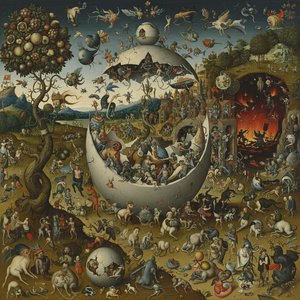
히에로니무스 보쉬 최고 걸작 25선: 신비로운 상상력의 세계 (Hieronymus Bosch Top 25 Masterpieces: A World of Mysterious Imagination)
히에로니무스 보쉬의 최고 걸작 25점을 만나보세요. 중세 미술 거장의 신비로운 상상력과 종교적 상징이 담긴 명작들을 감상하고, 오일 페인팅 기법과 독특한 화풍을 탐구하세요. OriginalUniqueArt.com에서 고품질 복제화와 인테리어 액자로 예술 작품을 소장하세요.
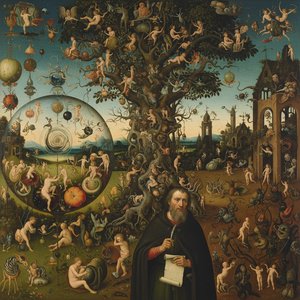
Hieronymus Bosch: Decoding the Visions of a Netherlandish Master
Explore the captivating world of Hieronymus Bosch! Delve into the symbolism, religious context, and artistic innovation of this Netherlandish master with OriginalUniqueArt's expert analysis. Discover his iconic paintings & lasting influence.