
 미리보기
미리보기
 프린트 구매
 공유하기
공유하기 공유하기
공유하기
 상세 정보
상세 정보

 다운로드
다운로드
 유사 작품
유사 작품 X-레이
X-레이 슬라이드 쇼
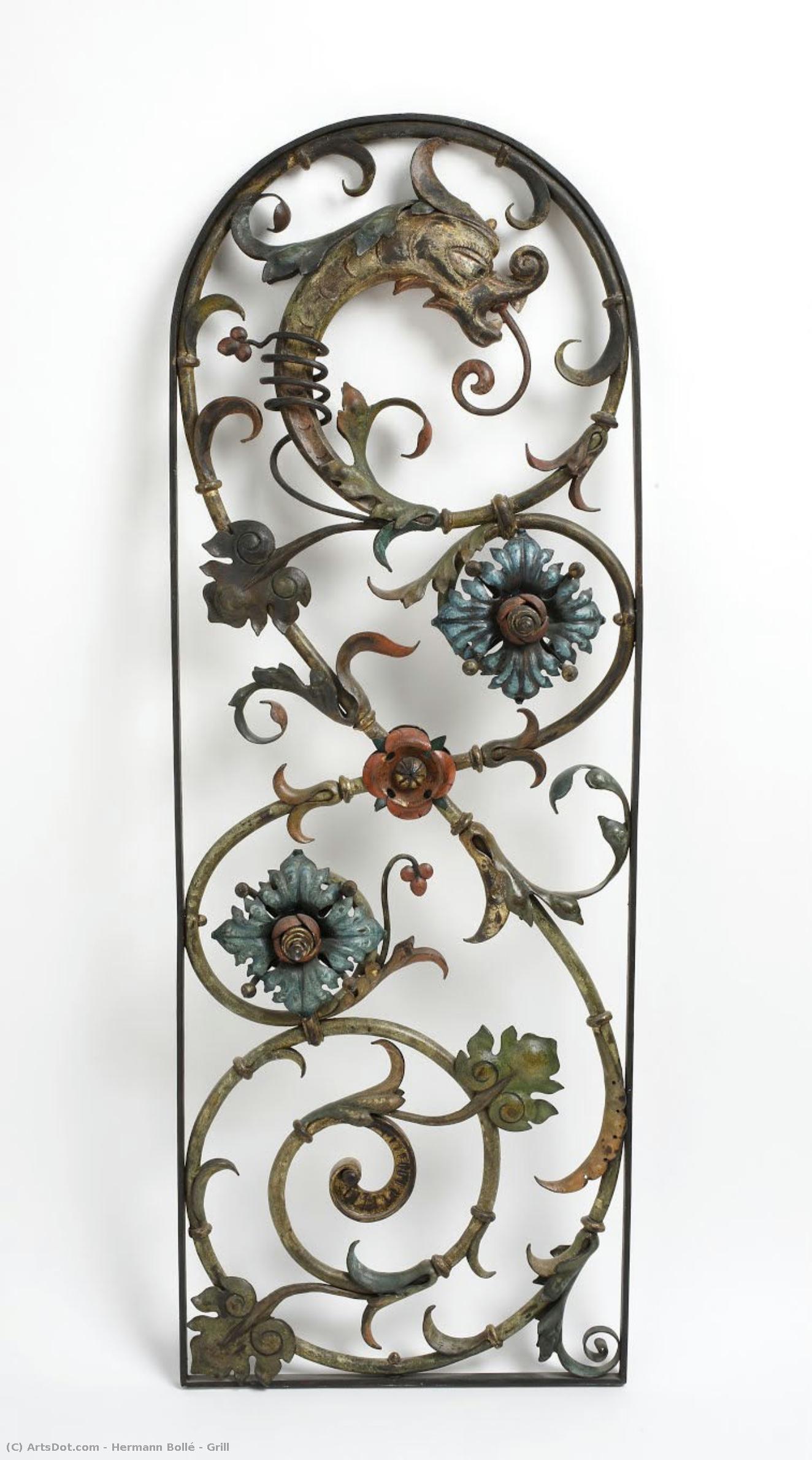
Grill
 1800
1800 100.0 x 36.0 cm
 The Museum of Arts and Crafts
 더 보기
더 보기




































작품의 원본 비율을 유지하는 미리 설정된 크기 중에서 선택하세요.

특정 프레임이나 공간에 맞도록 직접 크기를 입력할 수 있습니다. 선택하신 크기가 원본 이미지의 비율과 일치하지 않는 경우, 작품을 자르거나 추가적인 손으로 그린 요소를 사용하여 그림을 확장합니다. 제작 시작 전 승인을 위해 디지털 목업을 보내드립니다.
화면 미리 보기는 실제 자르기 또는 확장을 반영하지 않습니다. 최종 구성은 목업을 통해서만 정확하게 확인하실 수 있습니다.
맞춤 크기 제작도 가능하지만, 원본 비율을 유지하기 위해 사전 정의된 목록에서 크기를 선택하시는 것을 권장합니다.
주문 후 OriginalUniqueArt.com 팀에서 상세 안내를 위해 고객님께 이메일을 보내드리며, 미리보기 시안을 제공해 드립니다.


 유리 옵션은 110cm 미만 크기에서만 선택 가능합니다.

Grill
재현 기법
복제본 크기
-


최종 결제 금액
$ 300
작가 약력
The Architect of a Nation's Soul
In the grand tapestry of Austro-Hungarian history, few figures have woven as indelible a thread into the urban fabric of Croatia as Hermann Bollé. Born in the storied city of Cologne in 1845, Bollé’s journey was one of profound transformation, moving from the precise calculations of civil engineering to the sublime heights of architectural artistry. His early training in the studio of Heinrich Wiethase provided a foundational intimacy with ecclesiastical design, an experience that instilled in him a lifelong reverence for the spiritual weight of stone and spire. This technical rigor, paired with a burgeoning aesthetic sensibility, set the stage for a career that would transcend mere construction, evolving into a mission to define the very identity of a region.
The trajectory of Bollé’s life took a decisive turn through his academic pursuits at the Academy of Fine Arts in Vienna. It was here, amidst the intellectual ferment of one of Europe's great cultural capitals, that he worked under the mentorship of the legendary Friedrich von Schmidt. This collaboration was much more than a professional apprenticeship; it was an immersion into the Gothic Revival movement, a style that sought to recapture the grandeur and moral clarity of the Middle Ages. Through Schmidt, Bollé mastered the language of monumentalism, learning how light, shadow, and verticality could be harnessed to evoke the divine. This period of intense study prepared him for his fateful encounter with Bishop Josip Juraj Strossmayer in Italy, a meeting that would redirect his talents toward the burgeoning cultural landscape of Croatia.
A Legacy Carved in Stone
Upon settling in Zagreb in 1878, Bollé embarked on an ambitious crusade to revitalize the architectural heritage of the Croatian lands. He did not merely build; he restored, breathed life into ruins, and reimagined the skyline. His work was characterized by a meticulous attention to historical authenticity, blended with a visionary approach to urban planning. The restoration of St. Mark’s Church served as an early testament to his ability to honor the past while preparing it for the future. As his influence grew, so did the scale of his contributions, moving from individual monuments to the comprehensive shaping of the city itself.
The breadth of his achievements is nothing short of breathtaking, encompassing a variety of styles that reflect both his technical versatility and his deep respect for tradition:
- The Zagreb Cathedral: Perhaps his most iconic achievement, where his work on the completion of this monumental structure solidified his status as a master of the Neo-Gothic style.
- Mirogoj Cemetery: A masterpiece of funerary architecture, where Bollé’s design creates a serene, dignified space that serves as a profound reflection on life and mortality.
- The Museum of Arts and Crafts: A testament to his ability to integrate functional urban needs with aesthetic elegance, contributing to the cultural sophistication of Zagreb.
- Ecclesiastical Grandeur: His involvement in projects like the Cathedral of St. Peter and St. Paul in Đakovo and the Holy Trinity Greek Catholic Cathedral in Križevci showcased his mastery of religious architecture across different denominations.
The Enduring Silhouette of Zagreb
Beyond the physical structures that bear his name, Hermann Bollé’s true significance lies in his role as a cultural architect. He was a man who understood that a city is not merely a collection of buildings, but a living organism shaped by its history and its aspirations. Through his comprehensive city planning initiatives, he prioritized a harmony between functionality and beauty, ensuring that the expansion of Zagreb was both orderly and aesthetically cohesive. His work provided a sense of continuity for a people navigating the complexities of the late 19th and early 20th centuries.
When Bollé passed away in Zagreb in 1926, he left behind a landscape that had been fundamentally transformed. To walk through the streets of Zagreb or to stand beneath the soaring arches of his cathedrals is to encounter his enduring spirit. He remains a pivotal figure whose work bridged the gap between German technical precision and Croatian cultural identity, leaving an indelible mark on the architectural soul of Central Europe.

hermann bollé
1845 - 1926 , Germany
주요 정보
- Artistic Movement Or Style: Neo-Gothic
- Artists Or Movements Influenced By This Artist: ['Zagreb']
- Artists Who Influenced This Artist: ['Friedrich von Schmidt']
- Date Of Birth: 18 September 1845
- Date Of Death: 17 April 1926
- Full Name: Hermann Bollé
- Nationality: Austro-Hungarian
- Notable Artworks: ['Grill']
- Place Of Birth: Cologne, Germany

