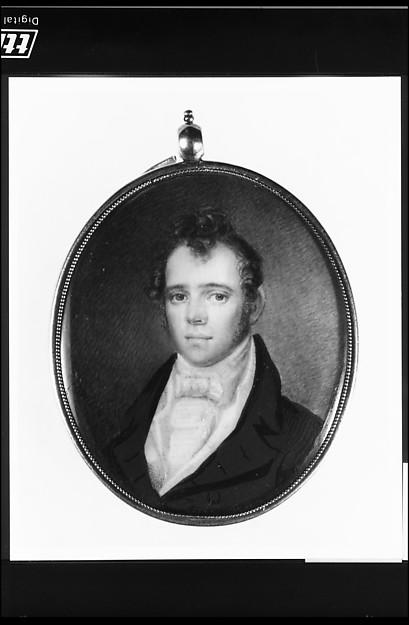
 미리보기
미리보기
 공유하기
공유하기 공유하기
공유하기
 상세 정보
상세 정보 가이드 보기

 다운로드
다운로드
 유사 작품 더 보기
 X-레이
X-레이 슬라이드 쇼 보기
 질의응답
질의응답 통계 정보
통계 정보John Cox

- 6.0 x 5.0 cm

 더 보기
더 보기
지클레 / 아트 프린트
빠른 제작과 다양한 마감 옵션을 제공하는 박물관 수준의 지클레이 및 캔버스 프린트. ( 수작업 채색 복제본 주문하기 디지털 이미지로 전환)




































작품의 원본 비율을 그대로 유지하는 프리셋 사이즈 중에서 선택해 보세요.

액자나 벽면 크기에 맞춰 필요한 가로와 세로 길이를 입력해 주세요. 프린트는 원본 이미지보다 크게 제작할 수 없으며 오직 자르는 것만 가능하므로, 비율이 다른 사이즈를 선택할 경우 이미지의 일부가 잘려 나갈 수 있습니다. 인쇄 작업에 들어가기 전, 최종 확인을 위해 디지털 목업을 보내드립니다. 이 페이지에 표시된 이미지는 실제 잘리는 영역을 나타내지 않으며, 오직 목업을 통해서만 정확한 확인이 가능합니다.


 유리 옵션은 110cm 미만 크기에서만 선택 가능합니다.

John Cox
지클레 / 아트 프린트
복제본 크기
-


최종 결제 금액
₩ 108774
작가 정보
Henry Williams: A Visionary of Spiritual Portraiture (1787-1830)
Henry Williams, a British artist working primarily in the late 18th and early 19th centuries, remains a captivating figure within the history of English portraiture and religious art. Born in Boston, Massachusetts, in 1787, his life was marked by both artistic brilliance and personal tragedy, culminating in a legacy of evocative biblical scenes and deeply spiritual portraits. While often overshadowed by more prominent contemporaries, Williams’s work possesses a unique sensitivity and emotional depth that continues to resonate with viewers today.
Williams's early life offers little documented detail, though it is known he received some artistic training before relocating to England. He established himself as an artist in London, quickly gaining recognition for his ability to capture the essence of his subjects – particularly those of a religious or moral nature. His style was characterized by a restrained elegance and a subtle use of light and shadow, creating a sense of quiet contemplation within each portrait. Unlike the flamboyant styles prevalent at the time, Williams favored a more understated approach, focusing on conveying inner character rather than mere physical likeness.
A pivotal moment in Williams’s career was his appointment as a missionary to New Zealand in 1823. This journey profoundly impacted his artistic vision and subject matter. He spent several years among the Māori people, documenting their customs, beliefs, and spiritual practices. These experiences led him to create a series of powerful paintings depicting biblical scenes interpreted through a Māori lens – a fascinating fusion of Western religious iconography and indigenous culture. These works, such as “The Last Supper” (1824), are particularly noteworthy for their nuanced portrayal of the Māori community and their deep connection to the land and spirituality. The influence of this period is evident in his later work, where he frequently incorporated elements of nature and a sense of profound reverence.
Beyond New Zealand, Williams continued to produce portraits of prominent figures within the British establishment – politicians, military officers, and members of the aristocracy. These works demonstrate his technical skill and his ability to capture the dignity and gravitas of his subjects. However, it is arguably in his religious scenes that he truly excelled. His paintings often feature a contemplative atmosphere, inviting viewers to reflect on themes of faith, morality, and redemption. His use of color was particularly effective in conveying mood – muted tones for solemn moments, brighter hues for expressions of hope or joy.
Despite his artistic success, Williams’s life was shadowed by personal tragedy. His father, a renowned baseball player, died unexpectedly in 1802, and his mother later succumbed to illness. Furthermore, the death of his wife, Dolores Wettach, in 1830, deeply affected him, contributing to a period of melancholy that is reflected in some of his later works. He was also embroiled in controversy surrounding his father’s wishes for cryonic preservation, which led to legal battles and public scrutiny.
Henry Williams's legacy extends beyond his individual paintings. His work represents a unique synthesis of artistic skill, religious conviction, and cultural sensitivity. His depictions of Māori spirituality offer a valuable window into the beliefs and practices of a vibrant indigenous culture, while his portraits of British society provide insights into the social and political landscape of early 19th-century England. Today, Williams’s paintings are held in prestigious collections worldwide, testament to their enduring artistic merit and historical significance. His ability to infuse religious themes with profound emotional resonance ensures that Henry Williams remains a compelling figure in the history of British art.
Key Works
- The Last Supper (1824): A seminal work depicting a Māori interpretation of the biblical Last Supper, showcasing his unique artistic vision.
- Portraits of Samuel Henry Llewellyn: Demonstrates his skill in capturing character and conveying inner qualities.
- Various Biblical Scenes (1820s-1830s): A series of paintings exploring themes of faith, morality, and redemption through a spiritual lens.
Influences
Williams’s artistic style was influenced by several key figures and movements: the restrained elegance of Thomas Gainsborough, the emotional depth of William Hogarth, and the Romantic sensibility that emphasized nature and individual experience. The encounter with Māori culture in New Zealand profoundly shaped his perspective, leading him to incorporate elements of indigenous spirituality into his work.
Historical Context
Williams’s career unfolded during a period of significant social and political change in Britain. The Napoleonic Wars had recently ended, and the country was grappling with issues of industrialization, urbanization, and social inequality. Religious revivalism was also on the rise, leading to increased interest in biblical themes and moral instruction. Williams's work reflects these broader cultural trends, offering a nuanced portrayal of both the spiritual and secular aspects of early 19th-century England.

Henry Williams
1787 - 1830
작가 정보 요약
- Artistic Movement Or Style: Biblical & Spiritual
- Artists Or Movements Influenced By This Artist: ['Evan Williams']
- Artists Who Influenced This Artist: ['Samuel Henry Llewellyn']
- Date Of Birth: 1787
- Date Of Death: 1830
- Full Name: Henry Williams
- Nationality: British
- Notable Artworks:
- Gorham L. Freeman
- Various biblical scenes
- Place Of Birth: WahooArt, USA