

 실제 크기로 보기
 보내기
보내기 공유하기
공유하기
 상세 보기
상세 보기 가이드 보기

 이미지 다운로드
 유사 작품 더 보기
 X-레이
X-레이 슬라이드 쇼 보기
 통계 정보
통계 정보LES DEUX RIVAUX


 상세 보기
상세 보기
지클레 / 아트 프린트
빠른 제작과 다양한 마감 옵션을 선택할 수 있는 박물관 수준의 지클레이 및 캔버스 프린트. ( 수작업 채색 복제본 주문하기 디지털 이미지 판매 채널로 전환)




P118B ₩10

P118H ₩10

P118W ₩10

P438Z ₩10

P508JH ₩12

P508YH ₩12

P805H ₩10

P805Z ₩10

P919BZ ₩10

P919G ₩10

P919XJ ₩10

P959ZH ₩10

P968JZ ₩12

W106C ₩8

W218G ₩10

W218JH ₩8

W218Y ₩10

W307PJ ₩10

W316G ₩10

W316PJ ₩8

W316Y ₩10

W398PJ ₩8

W4111J ₩10

W500HY ₩15

W500JH ₩15

W692G ₩12

W849H ₩8

W940BG ₩15

W953PJ ₩8




작품의 원본 비율을 그대로 유지하는 프리셋 사이즈 중에서 선택해 보세요.

액자나 벽면 크기에 맞춰 필요한 가로와 세로 길이를 입력해 주세요. 프린트는 원본 이미지보다 크게 제작할 수 없으며 오직 자르는 것만 가능하므로, 비율이 다른 사이즈를 선택할 경우 이미지의 일부가 잘려 나갈 수 있습니다. 인쇄 작업에 들어가기 전, 최종 확인을 위해 디지털 목업을 보내드립니다. 이 페이지에 표시된 이미지는 실제 잘리는 영역을 나타내지 않으며, 오직 목업을 통해서만 정확한 확인이 가능합니다.


 유리 옵션은 110cm 미만 크기에서만 선택 가능합니다.

LES DEUX RIVAUX
지클레 / 아트 프린트
복제본 규격
-


총 결제 금액
₩ 108564
A Study in Romantic Rivalry: Unveiling “Les Deux Riviaux”
Henry Singleton’s “Les Deux Riviaux,” a captivating oil painting from the late 18th or early 19th century, transcends mere portraiture to become a poignant meditation on romantic tension and unspoken desire. More than just a depiction of three figures, it's a carefully constructed tableau brimming with emotional complexity—a scene frozen in a moment of poised conflict and veiled longing. The painting immediately draws the viewer into its world of muted elegance and subtle drama, inviting contemplation of the relationships between the individuals depicted.
Singleton’s work firmly places itself within the Neoclassical and early Romantic traditions, a period characterized by an interest in both classical ideals of beauty and a burgeoning exploration of subjective experience. The composition—a triangular arrangement centered around the woman—is deliberately balanced, yet subtly unsettling. The figures are rendered with a remarkable degree of realism, reflecting the meticulous attention to detail typical of the era, but imbued with a heightened sense of emotionality. Notice how Singleton masterfully employs light and shadow to sculpt the forms, creating an atmosphere of both intimacy and restrained power.
Decoding the Composition: Figures in Dialogue
At the heart of the painting stands a woman, positioned between two men—a dynamic that immediately establishes the core narrative. The man seated to her right, his hand outstretched as if pleading or offering a token of affection, embodies vulnerability and perhaps desperation. His attire – a richly colored jacket and hat – speaks to his status and adds to the scene’s formality. The second man, standing slightly to the left, observes this interaction with an expression that suggests disappointment, rejection, or perhaps a quiet resignation. This figure's posture and averted gaze hint at a thwarted ambition or unrequited feelings. The woman herself remains enigmatic; her expression is difficult to decipher—is she receptive, wary, or simply observing? Her placement between the two men underscores her pivotal role in this delicate dance of emotions.
Singleton’s use of color plays a crucial role in conveying the painting's mood. The palette is dominated by soft creams, whites, and grays—a restrained elegance that contrasts sharply with the vibrant reds of the men’s jackets and hats. These splashes of color serve as focal points, drawing attention to key elements within the composition and injecting a sense of urgency into the scene. The atmospheric perspective – the subtle blurring of background details – creates a sense of depth and distance, further emphasizing the intimacy of the immediate interaction.
Technique and Historical Context: A Master’s Hand
Examining Singleton's technique reveals a skilled artist deeply invested in his craft. The brushstrokes are visible yet controlled, contributing to the painting’s overall texture and richness. Layering of colors creates depth and form, while careful attention to detail is evident in the rendering of fabrics, facial features, and accessories. Singleton’s work reflects the artistic conventions of the time—a focus on realistic representation combined with a heightened sense of emotional expression. The subject matter itself – romantic rivalry – was a common theme in 18th-century art, often explored through allegorical or mythological narratives.
Further research reveals that Henry Singleton (1766-1839) was an English painter and miniaturist who exhibited at the Royal Academy for decades. His work is now held in major collections across the United Kingdom. The painting’s provenance, as documented by the Musée du Louvre, adds to its historical significance, placing it within a rich artistic lineage. The inclusion of detailed research links this artwork to both Singleton's broader career and contemporary art history.
Bringing “Les Deux Riviaux” into Your Space
“Les Deux Riviaux” is more than just a beautiful painting; it’s a powerful evocation of human emotion. Its themes of romantic tension, unrequited love, and unspoken desires resonate deeply with viewers today. A high-quality reproduction offers an accessible way to bring this captivating artwork into your home or office, adding a touch of elegance, drama, and emotional depth to any space. Consider framing it in a classic style to complement its historical aesthetic, or exploring digital prints for a versatile display option.
질의응답
"LES DEUX RIVAUX"에서 대비와 조화는 어떻게 어우러지나요?
"LES DEUX RIVAUX"에서는 Statement 대비와 Strong Color Unity 조화가 어우러져 있습니다.
헨리 싱글턴의 "LES DEUX RIVAUX"의 색채는 얼마나 조화로운가요?
"LES DEUX RIVAUX"의 색채 조화는 Strong Color Unity로 기록되어 있습니다.
헨리 싱글턴의 "LES DEUX RIVAUX"은(는) Neoclassicism 내에서 어떤 분위기를 자아내나요?
Neoclassicism 사조 안에서, "LES DEUX RIVAUX"은(는) Melancholic한 어조로 기록되어 있습니다.
작가 소개
미니어처와 초상화 거장의 유산
1766년 런던의 활기찬 예술적 흐름 속에서 태어난 Henry Singleton은 붓과 팔레트로 정의될 운명을 타고났습니다. 그의 어린 시절은 예술과 깊이 연결된 가족적 유대로 형성되었습니다. 아주 어린 영아 시절 아버지를 갑작스럽게 여읜 후, 싱글턴은 삼촌인 윌리엄 싱글턴의 세심한 보살핌 아래 성장했습니다. 이러한 멘토링은 단순한 가족적 안정을 넘어, 존경받는 오지아스 험프리의 가르침을 통해 영국 미니어처 회화의 명성 높은 전통을 직접 이어가는 계기가 되었습니다. 왕립 아카데m의 공인된 전시 작가였던 삼촌들과 누이들에게 둘러싸여, 예술이 일상의 언어였던 환경에서 자라난 싱글턴의 성장은 물려받은 기술과 피어오르는 개인적 재능이 유기적으로 결합된 과정 그 자체였습니다.
청년 시절의 싱글턴은 화면의 규모와 주제를 다루는 데 있어 조숙한 통제력을 보여주었습니다. 10대 후반에 왕립 아카데미 학교에서 정규 교육을 시작한 그는 이미 1784년에 은메달을 획득하며 무서운 신예로서의 등장을 알렸습니다. 초기 학술적 인정의 정점은 1788년에 찾아왔는데, 존 드라이든의 Alexander’s Feast를 묘사한 그의 야심 찬 작품이 권위 있는 금메달을 거머쥐었기 때문입니다. 이 성취는 그가 미니어처 작업의 섬세한 경계를 넘어, 웅장하고 광활한 역사적 및 성서적 구성을 시도했던 커리어의 전환점을 보여줍니다. 성경과 셰익스피어, 그리고 당대의 역사를 통해 복잡한 서사를 엮어내는 그의 능력은 당시 가장 중요한 예술 기관들이 요구하던 대형 캔버스 위에서 관객의 시선을 사로잡기에 충분했습니다.
지속적인 존재감을 보여준 예술 여정
초기의 야망이 기념비적인 작품을 향해 있었다면, 싱글턴의 전문적인 여정은 치열한 런던 예술계에서 장수할 수 있었던 놀라운 다재다능함으로 특징지어집니다. 그는 1784년부터 1839년 사이에 약 300점의 작품을 전시하며 왕립 아카데미의 상징적인 인물이 되었습니다. 그의 파란만장한 경력에는 가슴 아픈 아이러니가 존재합니다. 1793년 왕립 아카데미로부터 40명의 아카데미 회원을 그리는 거대한 집단 초상화 작업을 의뢰받았음에도 불구하고, 정작 본인은 정회원이나 준회원의 공식적인 지위에 오르지는 못했습니다. 그럼에도 불구하고 그의 존재감은 매우 확고했으며 그의 기술은 깊이 존경받았기에, 그는 결국 왕립 아카데미에서 가장 오래 활동한 전시 작가로 남게 되었습니다. 이는 예술적 숙련도를 향한 평생의 흔들림 없는 헌신을 증명하는 것입니다.
그의 레퍼토리는 기술적으로 능숙했을 뿐만 아니라 다음과 같이 여러 가지 독특한 회화 양식을 아우를 정도로 다양했습니다:
- 초상화: 그의 경력의 핵심으로, 인물의 성격과 사회적 지위를 포착하는 탁월한 능력 덕분에 영국 엘리트층이 선호하는 화가로 자리매김했습니다.
- 미니어처: 가문의 전통을 계승하여, 이 친밀하고 작은 작품들은 그의 정교함과 섬세한 터치를 여실히 보여주었습니다.
- 역사 및 성서화: 극적인 조명과 서사적 깊이를 활용하여 종교적, 문학적 주제를 탐구한 대규모 구성의 작품들입니다.
왕립 아카데미를 넘어 싱글턴의 영향력은 영국 미술 협회(British Institution)와 영국 화가 협회(Society of British Artists)로까지 확장되었으며, 이를 통해 그의 작품은 폭넓은 수집가와 감식가들에게 전달되었습니다. 1839년 런던에서 생을 마감할 때까지 그는 18세기 후반과 19세기 초반의 미학적 가치를 들여다볼 수 있는 소중한 창 역할을 하는 작품들을 남겼습니다. 초상화와 역사적 장면들을 통해 싱글턴은 단순히 동시대 사람들의 얼굴만을 기록한 것이 아니라, 고전적인 웅장함과 미니어처의 친밀한 아름다움이 공존했던 한 시대의 정신 그 자체를 포착해냈습니다.

헨리 싱글턴
1766 - 1839
작가 정보 요약
- Artistic Movement Or Style: 로코코
- Artists Or Movements Influenced By This Artist: ['셰익스피어']
- Artists Who Influenced This Artist:
- 오지아스 험프리
- 조셉 싱글턴
- Date Of Birth: 1766-10-19
- Full Name: 헨리 싱글턴
- Nationality: 영국
- Notable Artworks:
- 코시우스코에게 자유를 부여하는 파울 1세
- 프랑스 군함 74 L'Hercule 포획 후 알렉산더 후드 대위의 전사
- Place Of Birth: 영국 런던
관련 기사

캔버스의 유산: 기법, 역사 그리고 현대적 실천
유화의 역사와 기법부터 현대적 실천까지, 캔버스의 모든 것을 심도 있게 다룹니다. 주요 화가들의 작품 분석과 유화 제작 과정을 상세히 안내하며, 아트 컬렉션을 위한 최고의 정보를 제공합니다.

The Enduring Power of Painting: A Historical & Contemporary Exploration of Form and Emotion
Explore the rich history & enduring techniques of oil painting with OriginalUniqueArt. Discover masterpieces, learn about art collecting, and find authentic handmade reproductions crafted by skilled artists.
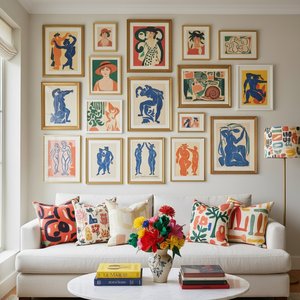
앙리 마티스의 걸작 25선: 색채와 감각의 혁신을 만나다 | OriginalUniqueArt
앙리 마티스의 시대를 초월하는 걸작 25선을 만나보세요. 색채주의, 야수파를 대표하는 그의 삶과 예술 세계를 탐험하고, OriginalUniqueArt에서 명화 복제본으로 거실 인테리어에 감동을 더하세요. 지금 바로 컬렉션을 확인하세요!

The Enduring Legacy of Oil on Canvas: Technique, History & Aesthetic Impact
Explore the rich history & techniques of oil painting – from Renaissance masters to Impressionism. Discover pigments, layering methods, and why this timeless medium endures. Expert insights for artists & art enthusiasts.

Oil on Canvas: A Historical & Technical Exploration of a Timeless Artistic Medium
Explore the rich history & enduring techniques of oil painting on canvas. Discover the science behind its longevity, conservation practices, and contemporary relevance. Expert insights for art enthusiasts.
