프린트 판매로 전환
 상세 보기
상세 보기







































 가로 또는 세로 중 어느 한 면이라도 105cm(약 41인치)를 초과하는 작품이나 복제화의 경우, 프레임은 분해된 키트 형태로 배송됩니다. 이는 안전한 배송을 보장하고 운송 중 발생할 수 있는 손상을 방지하기 위함입니다.


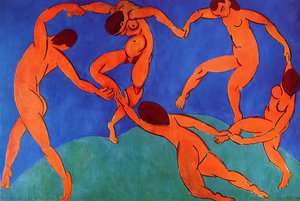
A Symphony in Crimson and Calm: Exploring Henri Matisse’s Untitled (3567)
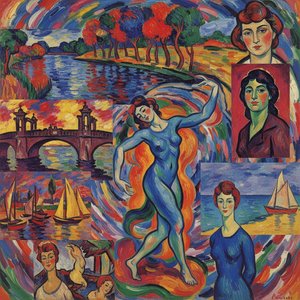
Henri Matisse's "Untitled (3569)" – often referred to as “Woman with Hat” – stands as a testament to the artist’s unwavering commitment to color theory and expressive simplification. Painted circa 1909, during his formative years within the Fauvist movement, this canvas embodies the revolutionary spirit of its time while retaining an enduring beauty rooted in Matisse's masterful observation of human form. The painting depicts a woman seated gracefully, her gaze directed outwards – though unseen by the viewer – conveying a sense of contemplative serenity amidst a vibrant backdrop.The Fauvist Breakthrough: Bold Color and Impressionistic Influence
Matisse’s embrace of Fauvism wasn’t merely stylistic choice; it was a deliberate rejection of academic conventions that prioritized realistic representation. Influenced profoundly by Cézanne's exploration of geometric forms and Japanese prints, Matisse sought to liberate color from its subservient role in depicting natural hues. Instead, he employed pigment directly – unmixed—to achieve intense shades of crimson dominating the woman’s hair and torso, contrasting sharply with the muted blues and greens of the surrounding environment. This audacious technique prioritized emotional impact over photographic accuracy, aligning perfectly with the Fauvist manifesto's assertion that “the artist must not be bound by any obligation to represent what he sees.”Technique and Composition: Fluid Brushstrokes and Geometric Harmony
Matisse’s distinctive brushwork is immediately recognizable—loose, flowing strokes layered upon one another to create a textured surface. He eschewed meticulous detail, opting for simplified shapes and contours that emphasize the essence of his subject matter. The woman's hat, rendered in a bold shade of blue, serves as an anchor point within the composition, subtly directing the viewer’s eye across the canvas. Notice how Matisse utilizes geometric forms—particularly circles and rectangles—to create visual harmony and balance, mirroring the principles championed by Cézanne and contributing to the painting’s overall sense of tranquility.Symbolism Beyond Appearance: Inner Emotion and Artistic Vision
While seemingly straightforward in its depiction, “Woman with Hat” is laden with symbolic resonance. The woman herself represents femininity and grace—qualities Matisse consistently explored throughout his oeuvre. Her averted gaze suggests introspection and contemplation, inviting the viewer to consider themes of solitude and inner experience. Furthermore, the color palette – particularly crimson – carries connotations of passion and vitality, juxtaposed against the calming blues and greens that symbolize peace and serenity. This deliberate contrast underscores Matisse’s artistic intention: not merely to portray a visual scene but to convey an emotional state—a profound appreciation for beauty and a celebration of human presence.A Legacy Enduring Through Reproduction
Today, reproductions of “Woman with Hat” continue to captivate audiences worldwide. OriginalUniqueArt.com offers exceptional quality prints that faithfully capture the painting’s luminous color palette and expressive brushstrokes, allowing collectors and interior designers alike to experience Matisse's artistic vision firsthand. Bringing this iconic masterpiece into your home transforms it from a historical artifact into an enduring symbol of artistic innovation and emotional resonance—a reminder that true beauty lies in embracing boldness and simplifying form.질의응답
Fauvist Expression 사조의 작품 "untitled (3567)"은 어떤 감정을 전달하나요?
Fauvist Expression 사조 안에서, "untitled (3567)"은(는) Calm한 어조로 기록되어 있습니다.
앙리 마티스의 "untitled (3567)"의 채도는 어느 정도인가요?
앙리 마티스의 "untitled (3567)"의 색상은 Subtle Color 정도의 채도를 띱니다. 채도는 색상이 얼마나 선명하거나 차분한지를 나타냅니다.
앙리 마티스의 "untitled (3567)"은(는) 잘 알려진 작품인가요?
"untitled (3567)"은(는) Iconic 등급으로 분류됩니다.
More about this painting
 실제 크기로 보기
 보내기
보내기 공유하기
공유하기
 상세 보기
상세 보기 가이드 보기

 이미지 다운로드
 유사 작품 더 보기
 X-레이
X-레이 슬라이드 쇼 보기
 Q&A
Q&A 통계 정보
통계 정보