미리보기
미리보기
 공유하기
공유하기 공유하기
공유하기
 상세 정보
상세 정보 가이드 보기

 다운로드
다운로드
 유사 작품 더 보기
 X-레이
X-레이 슬라이드 쇼 보기
 질의응답
질의응답 통계 정보
통계 정보Still Life


 더 보기
더 보기
지클레 / 아트 프린트
빠른 제작과 다양한 마감 옵션을 제공하는 박물관 수준의 지클레이 및 캔버스 프린트. ( 수작업 채색 복제본 주문하기 디지털 이미지로 전환)




P118B ₩10

P118H ₩10

P118W ₩10

P438Z ₩10

P508JH ₩12

P508YH ₩12

P805H ₩10

P805Z ₩10

P919BZ ₩10

P919G ₩10

P919XJ ₩10

P959ZH ₩10

P968JZ ₩12

W106C ₩8

W218G ₩10

W218JH ₩8

W218Y ₩10

W307PJ ₩10

W316G ₩10

W316PJ ₩8

W316Y ₩10

W398PJ ₩8

W4111J ₩10

W500HY ₩15

W500JH ₩15

W692G ₩12

W849H ₩8

W940BG ₩15

W953PJ ₩8




작품의 원본 비율을 그대로 유지하는 프리셋 사이즈 중에서 선택해 보세요.

액자나 벽면 크기에 맞춰 필요한 가로와 세로 길이를 입력해 주세요. 프린트는 원본 이미지보다 크게 제작할 수 없으며 오직 자르는 것만 가능하므로, 비율이 다른 사이즈를 선택할 경우 이미지의 일부가 잘려 나갈 수 있습니다. 인쇄 작업에 들어가기 전, 최종 확인을 위해 디지털 목업을 보내드립니다. 이 페이지에 표시된 이미지는 실제 잘리는 영역을 나타내지 않으며, 오직 목업을 통해서만 정확한 확인이 가능합니다.


 유리 옵션은 110cm 미만 크기에서만 선택 가능합니다.

Still Life
지클레 / 아트 프린트
복제본 크기
-


최종 결제 금액
₩ 108774
A Symphony in Color: Henri Matisse’s Still Life
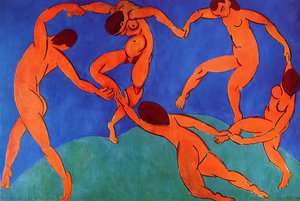
Henri Matisse's "Still Life," painted circa 1905 – a pivotal work often referenced alongside his “Blue Period” and leading into the vibrant explosion of Fauvism – is more than just a depiction of fruit, flowers, and a simple vase; it’s an embodiment of Matisse’s revolutionary approach to color and form. This painting, currently housed at the National Gallery of Art in Washington D.C., offers a glimpse into a transformative period for the artist, marking a deliberate shift away from academic realism towards a deeply personal and expressive language of art. The scene itself is deceptively simple: a vase overflowing with blossoms sits upon a table, accompanied by a scattering of apples and a bowl – objects imbued with an almost palpable sense of joy and vitality.
The Dawn of Fauvism: A Bold New Palette
Matisse’s “Still Life” stands as a cornerstone in the development of Fauvism, a movement characterized by its unrestrained use of color. Prior to this period, artists typically employed muted tones and naturalistic palettes. Matisse, however, rejected these conventions entirely, embracing pure, unmixed colors – crimson reds, sapphire blues, lemon yellows – applied with an almost violent intensity. This wasn’t merely about visual appeal; it was a conscious decision to liberate color from its descriptive function and use it purely for its expressive power. The painting's dominant hues are not meant to mimic reality but rather to evoke feeling, creating a world saturated with emotion and immediacy. The influence of Paul Gauguin, particularly his bold use of color in Tahiti, is clearly evident, yet Matisse forged his own distinct path.
Brushstrokes as Poetry: Technique and Composition
Beyond the audacious colors, the painting’s power lies in its dynamic brushwork. Matisse employed short, broken strokes – a technique reminiscent of Impressionism but imbued with a greater sense of urgency and spontaneity. These visible marks of the artist's hand are not concealed; they become an integral part of the artwork’s visual language. The composition itself is carefully constructed to draw the eye across the surface, guiding it through the arrangement of objects. Notice how the vase, positioned slightly off-center, acts as a focal point, while the scattered apples and flowers create a sense of movement and rhythm. The use of overlapping planes and simplified forms contributes to the painting’s overall feeling of depth and immediacy – a characteristic that would become increasingly pronounced in Matisse's later work.
Symbolism and Emotional Resonance
While seemingly straightforward, “Still Life” is rich with symbolic potential. The vibrant colors themselves can be interpreted as expressions of joy, vitality, and the beauty of the natural world. The abundance of fruit – apples in particular – often symbolizes prosperity, fertility, and earthly delights. Flowers, universally associated with life, growth, and sensuality, further amplify this sense of optimism. However, it’s important to note that Matisse deliberately avoided overt symbolism, preferring to allow viewers to derive their own interpretations from the painting's purely visual qualities. The overall effect is one of profound serenity and a celebration of the simple pleasures of life – a sentiment deeply rooted in Matisse’s personal philosophy.
A reproduction of this iconic work offers an exceptional opportunity to bring the intensity and emotional resonance of Matisse’s Fauvist period into any space. OriginalUniqueArt's hand-painted reproductions capture not only the vibrant colors but also the energy and spontaneity of the original, allowing you to experience the transformative power of Matisse’s artistic vision firsthand.
질의응답
"Still Life"은(는) 앙리 마티스의 평소 작업 세계를 잘 보여주는 작품인가요?
"Still Life"은(는) still life, flowers, apples, bowl, color, composition, matisse을(를) 묘사하고 있는 반면, 앙리 마티스의 기존 주제들은 neo-impressionist color blocks, post-impressionist simplification forms, exploration vibrant hues, joyful, decorative arrangements, early fauvist experimentation입니다. 이 두 가지를 비교해 보면 해당 작품이 작가의 통상적인 소재와 어떻게 연관되는지 알 수 있습니다.
"Still Life"은(는) 저작권으로부터 자유로운가요?
앙리 마티스의 "Still Life"은(는) 퍼블릭 도메인 - 저작권 보호 기간이 만료되었습니다 상태입니다. 이 상태에 따라 해당 작품 이미지의 복제 가능 여부가 결정됩니다.
앙리 마티스의 "Still Life"은(는) 얼마나 유명한가요?
"Still Life"은(는) Iconic 등급의 작품입니다.
작가 정보
색채의 거장, 앙리 마티스: 삶과 예술
앙리 에밀 베노와 마티스는 1869년 프랑스 북부 작은 마을 레 카토-캄브레시에서 태어났습니다. 법학을 공부하려던 그는 우연히 병으로 입원하며 그림에 눈뜨게 되었고, 어머니에게 받은 물감 세트가 그의 삶의 전환점이 되었습니다. 보앵-앙-베르망두아에서 성장하며 상인의 아들로 평범한 삶을 살았지만, 예술가의 길을 걷기로 결심한 순간부터 그는 색채와 형태로 표현되는 새로운 세계를 향해 나아갔습니다. 파리 학원과 에콜 데 보자르에서 전통적인 기법을 익혔지만, 그의 작품은 곧 자신만의 독특한 목소리를 찾아나갈 준비가 되어 있었습니다.야수파의 탄생과 대담한 실험
1896년 존 러셀과의 Belle Île 방문이 마티스의 예술 세계에 결정적인 영향을 미쳤습니다. 러셀을 통해 인상주의를 접하고, 더욱 중요한 것은 빈센트 반 고흐의 강렬한 색채와 감정을 담은 작품들을 보며 충격을 받았습니다. 이는 그의 팔레트를 변화시키고, 엄격한 재현 대신 감정과 어우러지는 색채를 탐구하도록 이끌었습니다. 이러한 탐색의 결과로 1905년 야수파가 등장했습니다. ‘야수’라는 이름은 비평가들이 그들의 강렬하고 비전통적인 작품에 붙인 조롱이었지만, 마티스와 앙드레 데랭, 모리스 드 블라멩크 등은 색채를 독립적인 표현 수단으로 활용하며 미술계에 새로운 바람을 일으켰습니다. 호박들(1905)과 같은 작품에서 볼 수 있듯이, 그는 전통적인 원근법을 무시하고 순수한 색면을 사용하여 강렬한 시각적 효과를 만들어냈습니다. 야수파는 짧은 기간 동안 존재했지만, 현대 미술의 흐름을 바꾸는 데 중요한 역할을 했습니다.장식과 조화: 예술의 진화
야수파 운동 이후 마티스는 더욱 세련된 스타일로 나아갔습니다. 색채에 대한 사랑을 포기하지 않으면서도, 그의 작품은 장식적인 아름다움을 강조하고 형태를 단순화하는 경향을 보였습니다. 프랑스 리비에라의 니스에서 정착하면서 지중해의 햇살과 여유로운 분위기가 그의 예술에 반영되었고, 평온함과 고전적인 균형미가 느껴지는 작품들을 탄생시켰습니다. 그는 회화뿐만 아니라 도자기, 직물 등 다양한 매체를 통해 자신의 예술적 비전을 확장했습니다. 단순한 장면 묘사를 넘어, 특정한 감정을 불러일으키는 환경을 구축하고자 했습니다.제한 속의 혁신: 종이 콜라주
건강 악화로 인해 전통적인 회화 기법을 사용하기 어려워지자, 마티스는 종이 콜라주라는 새로운 예술 영역을 개척했습니다. 1947년부터 시작된 이 작업은 필연에 의해 촉발되었지만, 곧 그의 예술적 탐구의 중요한 단계가 되었습니다. 그는 넓은 종이를 다채로운 색상으로 칠한 후, 가위로 잘라낸 형태들을 캔버스 위에 배열하여 역동적이면서도 간결한 작품을 창조했습니다. 이러한 콜라주들은 단순히 회화의 대체재가 아니라, 색과 형태에 대한 새로운 사고방식을 제시하며 그의 예술적 유산을 더욱 풍성하게 만들었습니다. 종이 콜라주는 그에게 순수한 형태와 색채를 얻는 데 유리했을 뿐만 아니라, 이전 작품들의 주제와 모티프를 새롭고 혁신적인 방식으로 재해석할 수 있는 기회를 제공했습니다.현대 미술에 미친 영향: 마티스의 유산
1954년 니스에서 세상을 떠난 앙리 마티스는 현대 미술사에 지대한 영향을 미쳤습니다. 그는 전통적인 표현 방식을 거부하고 색채의 힘을 옹호하며, 후대 예술가들에게 영감을 주었습니다. 파블로 피카소와 함께 20세기 미술을 정의한 주요 인물 중 한 명으로 평가받으며, 그의 작품은 전 세계 박물관과 개인 소장품에서 감상할 수 있습니다. 마티스는 단순한 그림쟁이가 아니라, 색채, 조화, 그리고 무한한 가능성으로 가득 찬 세상을 창조하고자 했던 예술가였습니다. 그는 우리가 세상을 보는 방식을 바꾸었고, 그의 유산은 오늘날까지도 현대 미술에 깊은 영향을 미치고 있습니다.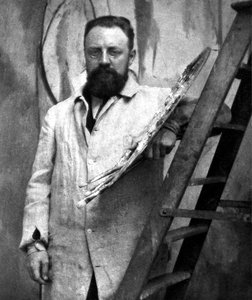
앙리 마티스
1869 - 1954 , 프랑스
작가 정보 요약
- 국적: 프랑스
- 대표 작품:
- 호박들
- 흰 터번을 쓴 로레트
- 사망일: 1954년 11월 3일
- 영향을 받은 예술가:
- 모던 미술
- 표현주의
- 영향을 준 예술가:
- 반 고흐
- 샤르댕
- 러스
- 예술 사조: 포비즘 (Fauvism)
- 전체 이름: 앙리 에밀 베노와 마티스
- 출생일: 1869년 12월 31일
- 출생지: 르 카토-캄브레시, 프랑스
관련 콘텐츠

The Bountiful Still Life: Symbolism & Artistic Representation of Fruit Across Art History
Explore the rich history of still life painting & the symbolism of fruit across art movements. Discover masterpieces from Caravaggio to Cézanne with OriginalUniqueArt – expert guidance & museum-quality reproductions.
fauve 미술을 정의한 10대 걸작: 강렬한 색채와 혁신적인 표현의 세계
fauve 미술의 심장을 뛰게 하는 10대 걸작! 모리스 드니, 마티스 등 거장의 강렬한 색채와 혁신적인 표현을 만나보세요. 예술 작품 감상부터 인테리어 디자인 영감까지, OriginalUniqueArt.com에서 명품 아트 프린트를 찾아보세요.

Fauvism Unveiled: The Wild Revolution of Color and Emotion in Modern Art
Explore the vibrant revolution of Fauvism. Discover how masters like Henri Matisse liberated color from reality to express pure emotion. An expert guide into the 'Wild Beasts' of modern art history for collectors and enthusiasts.

앙리 마티스의 걸작 25선: 색채와 감각의 혁신을 만나다 | OriginalUniqueArt
앙리 마티스의 시대를 초월하는 걸작 25선을 만나보세요. 색채주의, 야수파를 대표하는 그의 삶과 예술 세계를 탐험하고, OriginalUniqueArt에서 명화 복제본으로 거실 인테리어에 감동을 더하세요. 지금 바로 컬렉션을 확인하세요!
Fauvism's Boldest Visions: 10 Masterpieces That Revolutionized Modern Art | OriginalUniqueArt
Explore 10 Fauvist masterpieces by Matisse, Derain & Vlaminck that ignited Modern Art! Discover bold colors, expressionist landscapes & the history of this revolutionary movement. Find museum-quality prints at OriginalUniqueArt.com.