프린트 판매로 전환
 더 보기
더 보기







































 가로 또는 세로 중 어느 한 면이라도 105cm(약 41인치)를 초과하는 작품이나 복제화의 경우, 프레임은 분해된 키트 형태로 배송됩니다. 이는 안전한 배송을 보장하고 운송 중 발생할 수 있는 손상을 방지하기 위함입니다.


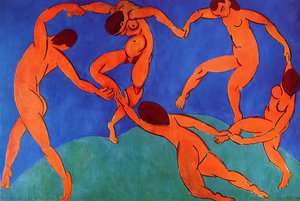
Still Life (16): A Symphony of Color and Quiet Observation
Henri Matisse’s “Still Life” – a deceptively simple composition rendered in 1905 – transcends mere representation; it embodies the core tenets of Fauvist painting, marking a pivotal moment in artistic history. Initially conceived as an exploration of color theory during his formative years at the Académie Julian, this artwork swiftly evolved into a profound statement about perception and emotion.
- Subject Matter: The scene depicts a commonplace tableau – fruits and vegetables arranged on a tabletop alongside bottles, cups, vases, and apples. Yet, Matisse elevates these familiar objects into symbols of beauty and tranquility through his masterful manipulation of hue.
- Style & Technique: Characteristic of Fauvist aesthetics, “Still Life” abandons traditional shading and perspective in favor of flattened planes of color that prioritize visual impact over realistic depiction. Matisse employs bold, unmixed pigments—primarily reds, yellows, and blues—creating a vibrant tapestry that pulsates with energy despite its stillness. The brushstrokes are loose and expressive, conveying movement and spontaneity rather than meticulous detail.
The historical context surrounding “Still Life” is crucial to understanding its significance. Emerging from the burgeoning avant-garde movement of the early 20th century, Fauvism challenged the conventions of Impressionism by rejecting naturalistic color palettes in favor of subjective interpretation. Matisse’s intention wasn't merely to capture what he saw; he sought to communicate how he *felt* about what he observed—a desire to infuse art with emotion and immediacy.
Symbolism & Emotional Impact: Beyond its formal qualities, “Still Life” resonates with deeper symbolic meanings. The repetition of apples – a motif frequently revisited by Matisse – speaks to themes of ripeness, abundance, and perhaps even mortality. The carefully positioned bottles and vases contribute to the overall sense of harmony and balance, mirroring Matisse’s belief in the power of art to inspire contemplation and elevate the everyday.
Ultimately, “Still Life” remains a testament to Matisse's unwavering commitment to color as expressive language. Its luminous hues invite viewers into a realm of sensory experience, prompting reflection on beauty, perception, and the transformative potential of artistic vision. Reproductions offer an opportunity to appreciate this masterpiece’s enduring legacy within the comfort of one’s own home.
질의응답
앙리 마티스의 "Still Life (16)"은(는) 어떤 미술 사조에 속하나요?
"Still Life (16)"은(는) Fauvist Expressionism 양식의 작품입니다. 이 사조는 해당 작품이 속한 예술적 전통을 나타냅니다.
"Still Life (16)" 작품을 파인 아트 프린트로 구매할 수 있나요?
앙리 마티스의 "Still Life (16)"의 프린트는 해당 작품의 파인 아트 프린트 페이지에서 간편하게 주문하실 수 있습니다: 코튼 캔버스 또는 아카이브용 캔버스지에 인쇄된 파인 아트 프린트.
앙리 마티스의 "Still Life (16)"의 색채는 얼마나 강렬한가요?
앙리 마티스의 "Still Life (16)"에 사용된 색상들은 Balanced 강도를 띱니다.
이 작품에 대해 더 알아보기
 미리보기
미리보기
 공유하기
공유하기 공유하기
공유하기
 상세 정보
상세 정보 가이드 보기

 다운로드
다운로드
 유사 작품 더 보기
 X-레이
X-레이 슬라이드 쇼 보기
 질의응답
질의응답 통계 정보
통계 정보