프린트 판매로 전환
 더 보기
더 보기







































 가로 또는 세로 중 어느 한 면이라도 105cm(약 41인치)를 초과하는 작품이나 복제화의 경우, 프레임은 분해된 키트 형태로 배송됩니다. 이는 안전한 배송을 보장하고 운송 중 발생할 수 있는 손상을 방지하기 위함입니다.


A Burst of Color: Exploring Henri Matisse’s Marguerite
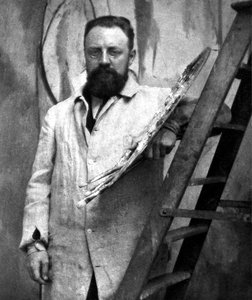
Henri Émile Benoît Matisse, born December 31, 1869, in the quiet French town of Le Cateau-Cambrésis, embarked on an artistic journey far removed from his initial aspirations for a legal career. A sudden illness – appendicitis – dramatically altered his trajectory during convalescence, gifting him with a newfound passion: painting. This wasn’t merely a pastime; it was a transformative revelation—a pivotal moment that propelled him away from legal documents and toward the vibrant realm of color and form where he would spend the remainder of his life. Growing up in Bohain-en-Vermandois, the son of grain merchants, Matisse's upbringing instilled in him an appreciation for simplicity and observation – qualities that would prove invaluable to his artistic development. He pursued formal training at the Académie Julian before honing his skills further at the École Nationale des Beaux-Arts, establishing himself as a respected figure within the Parisian avant-garde.The Fauvist Vision: Bold Strokes and Unnatural Color
Matisse’s ‘Marguerite,’ painted in 1906, exemplifies the stylistic fervor of Fauvism—a movement that championed unrestrained color over traditional representation. Rejecting academic conventions, Matisse sought to express emotion directly through pigment, prioritizing visual impact above meticulous detail. The painting's palette is dominated by intense reds and greens, hues deliberately chosen for their expressive qualities rather than their adherence to naturalistic standards. This audacious approach was revolutionary at the time, challenging established artistic norms and paving the way for future explorations of color theory. It’s a deliberate defiance of Impressionism’s subtle gradations, opting instead for jarring juxtapositions that heighten visual drama.A Portrait Steeped in Symbolism: Marguerite Emilienne Matisse
‘Marguerite,’ named after Matisse's wife, Marguerite Emilienne Rouart Matisse, transcends a simple depiction of a woman; it embodies the spirit of maternal love and artistic devotion. The subject herself is presented with remarkable serenity—a gaze directed outwards, conveying both vulnerability and strength. The flower nestled in her hair serves as a potent symbol – often interpreted as representing beauty, femininity, and remembrance. Its placement draws attention to Marguerite’s face, positioning it as the focal point of the composition and emphasizing its expressive power. This careful consideration of visual elements underscores Matisse's intention to communicate deeper emotional truths beyond mere surface appearance.Technique and Texture: Impressionistic Influences
Despite its Fauvist tendencies, ‘Marguerite’ retains subtle echoes of Impressionism’s techniques—particularly in the layering of brushstrokes and the depiction of light. Matisse skillfully utilizes thick impasto – applying paint thickly onto the canvas – creating a tactile surface that invites contemplation. The textured brushwork contributes to the painting's overall atmosphere, conveying warmth and dynamism. Furthermore, the artist employs a technique known as cloisonné—breaking down forms into distinct planes of color—which enhances visual clarity while maintaining expressive vibrancy. This masterful blend of influences demonstrates Matisse’s artistic versatility and his ability to synthesize diverse stylistic approaches.Emotional Resonance: Capturing Quiet Elegance
Ultimately, ‘Marguerite’ succeeds in conveying a profound sense of tranquility and grace. The painting's harmonious composition—characterized by balanced lines and carefully considered color choices—creates an environment of calm contemplation. More than just a portrait, it captures a fleeting moment of human connection—a quiet exchange between subject and viewer. Matisse’s ability to distill emotion into visual form speaks volumes about the power of art to transcend mere representation and evoke visceral responses. It remains a testament to his enduring legacy as one of the most influential artists of the 20th century, continuing to inspire admiration for its beauty and intellectual depth.질의응답
"Marguerite" 작품은 어떤 사이즈로 출력하는 것을 추천하시나요?
"Marguerite" 작품은 Large 크기로 인쇄하는 것을 권장합니다. 동일한 비율의 다른 사이즈로도 제작이 가능합니다.
앙리 마티스의 "Marguerite"의 분위기는 어떠한가요?
"Marguerite"은(는) Elegant 분위기를 자아냅니다.
"Marguerite"에 대한 가이드는 어디에서 확인할 수 있나요?
앙리 마티스의 "Marguerite"의 학습 가이드 페이지에서는 인쇄 가능한 두 장 분량의 학습용 팩트시트를 제공합니다. 여기에는 작품과 상세 정보표, 작가의 생애 속 시기를 보여주는 연대기, 해당 작가의 다른 작품들, 추출된 컬러 팔레트, 그리고 네 가지 스타일로 바로 복사하여 사용할 수 있는 인용 문구가 포함되어 있습니다.
이 작품에 대해 더 알아보기
 미리보기
미리보기
 공유하기
공유하기 공유하기
공유하기
 상세 정보
상세 정보 가이드 보기

 다운로드
다운로드
 유사 작품 더 보기
 X-레이
X-레이 슬라이드 쇼 보기
 질의응답
질의응답 통계 정보
통계 정보