

 미리보기
미리보기
 공유하기
공유하기 공유하기
공유하기
 상세 정보
상세 정보

 다운로드
다운로드
 유사 작품
유사 작품 X-레이
X-레이 슬라이드 쇼
Madame matisse

 더 보기
더 보기
지클레 / 아트 프린트
빠른 제작과 다양한 마감 옵션을 제공하는 박물관 품질의 지클레이 또는 캔버스 프린트. ( 손으로 그린 그림 구매 이미지 구매)




































작품의 원본 비율을 유지하는 미리 설정된 크기 중에서 선택하세요.

특정 프레임이나 공간에 맞춰 직접 치수를 입력하실 수 있습니다. 선택하신 사이즈가 원본 이미지의 비율과 일치하지 않을 경우, 작품을 크롭(자르기)하거나 이미지를 대칭 또는 단색 채우기로 확장하여 제작합니다. 제작 시작 전, 최종 확인을 위해 디지털 목업이 전송됩니다.
화면상의 미리보기는 실제 크롭이나 확장 상태를 반영하지 않으므로, 최종 구도는 오직 목업을 통해서만 정확하게 확인하실 수 있습니다.
맞춤 사이즈 제작도 가능하지만, 원본 비율을 유지하기 위해서는 사전 정의된 목록에서 치수를 선택하시는 것을 권장합니다.


 유리 옵션은 110cm 미만 크기에서만 선택 가능합니다.

Madame matisse
지클레 / 아트 프린트
복제본 크기
-


최종 결제 금액
$ 80
작품 상세 설명
A Symphony of Color: Exploring Henri Matisse’s “Madame Matisse”
Henri Matisse, born December 31, 1869, in Le Cateau-Cambrésis, wasn't destined for a life consumed by artistic pursuits. Initially focused on law studies in Paris after secondary school—a path abruptly altered by an appendicitis attack in 1889—he found solace and inspiration in painting following convalescence. This serendipitous discovery ignited a passion that would define his extraordinary career, steering him away from legal arguments toward a realm where color reigned supreme and canvas became his instrument of expression. Growing up in Bohain-en-Vermandois, the son of grain merchants, Matisse’s upbringing instilled in him an appreciation for simplicity and observation—qualities that would prove invaluable as he honed his artistic vision. He enrolled at the Académie Julian before progressing to the École Nationale des Beaux-Arts, establishing a foundation for his future achievements.The Fauvist Revelation: Bold Strokes and Vibrant Hue
Matisse’s artistic breakthrough arrived in 1905 with “Madame Matisse,” a painting that catapulted him into the forefront of the burgeoning Fauvist movement. This revolutionary style, spearheaded by Picasso and Georges Braque, rejected Impressionistic realism in favor of unrestrained color—a deliberate defiance of academic conventions. Artists like Matisse prioritized emotional impact over accurate representation, utilizing hues deemed arbitrary yet powerfully expressive. The resulting canvases pulsated with intense reds, yellows, blues, and greens, applied in thick, impasto strokes that created a tactile surface brimming with energy. This bold technique wasn’t merely stylistic; it reflected Matisse's belief that color possessed inherent power to convey feeling and stimulate the viewer’s imagination.Portrait of Domestic Tranquility: Composition and Symbolism
“Madame Matisse” depicts Amélie Matisse, Henri’s wife, seated gracefully in a chair against a backdrop of muted tones—a striking contrast to the dominant hues of the figure itself. The woman's scarlet dress is adorned with shimmering gold leaf designs, subtly hinting at wealth and refinement – elements that would have resonated deeply within Matisse’s bourgeois upbringing. Her gaze directs towards the viewer, establishing an intimate connection between artist and subject, inviting contemplation on themes of femininity, serenity, and domestic harmony. The inclusion of a scarf draped around her head adds to the portrait's visual richness and reinforces its symbolic significance as a representation of comfort and protection.Technique and Impression: Capturing Light and Emotion
Matisse’s masterful handling of pigment is evident throughout “Madame Matisse.” He meticulously layered paint onto the canvas, building up texture and creating luminous surfaces that capture the subtleties of light. The artist skillfully employed color theory—particularly complementary hues—to heighten visual impact and create a harmonious balance within the composition. Furthermore, Matisse's approach mirrored his broader artistic philosophy: to distill emotion into form, prioritizing feeling over meticulous detail. As evidenced by similar works like “The Green Stripe,” he sought to evoke an emotional response in the viewer, transporting them beyond mere observation into a realm of sensory experience.Legacy and Influence: An Enduring Masterpiece
“Madame Matisse” stands as a testament to Henri Matisse’s artistic genius—a pivotal piece that solidified his position as one of the most influential painters of the 20th century. Its bold chromatic palette, innovative technique, and profound psychological depth continue to inspire artists and collectors alike. Reproductions of this iconic artwork offer an opportunity to appreciate Matisse's visionary aesthetic and immerse oneself in the captivating beauty of Fauvist art. Statens Museum for Kunst proudly showcases this masterpiece, allowing visitors to experience firsthand the transformative power of color and form.작가 약력
색채의 거장, 앙리 마티스: 삶과 예술
앙리 에밀 베노와 마티스는 1869년 프랑스 북부 작은 마을 레 카토-캄브레시에서 태어났습니다. 법학을 공부하려던 그는 우연히 병으로 입원하며 그림에 눈뜨게 되었고, 어머니에게 받은 물감 세트가 그의 삶의 전환점이 되었습니다. 보앵-앙-베르망두아에서 성장하며 상인의 아들로 평범한 삶을 살았지만, 예술가의 길을 걷기로 결심한 순간부터 그는 색채와 형태로 표현되는 새로운 세계를 향해 나아갔습니다. 파리 학원과 에콜 데 보자르에서 전통적인 기법을 익혔지만, 그의 작품은 곧 자신만의 독특한 목소리를 찾아나갈 준비가 되어 있었습니다.야수파의 탄생과 대담한 실험
1896년 존 러셀과의 Belle Île 방문이 마티스의 예술 세계에 결정적인 영향을 미쳤습니다. 러셀을 통해 인상주의를 접하고, 더욱 중요한 것은 빈센트 반 고흐의 강렬한 색채와 감정을 담은 작품들을 보며 충격을 받았습니다. 이는 그의 팔레트를 변화시키고, 엄격한 재현 대신 감정과 어우러지는 색채를 탐구하도록 이끌었습니다. 이러한 탐색의 결과로 1905년 야수파가 등장했습니다. ‘야수’라는 이름은 비평가들이 그들의 강렬하고 비전통적인 작품에 붙인 조롱이었지만, 마티스와 앙드레 데랭, 모리스 드 블라멩크 등은 색채를 독립적인 표현 수단으로 활용하며 미술계에 새로운 바람을 일으켰습니다. 호박들(1905)과 같은 작품에서 볼 수 있듯이, 그는 전통적인 원근법을 무시하고 순수한 색면을 사용하여 강렬한 시각적 효과를 만들어냈습니다. 야수파는 짧은 기간 동안 존재했지만, 현대 미술의 흐름을 바꾸는 데 중요한 역할을 했습니다.장식과 조화: 예술의 진화
야수파 운동 이후 마티스는 더욱 세련된 스타일로 나아갔습니다. 색채에 대한 사랑을 포기하지 않으면서도, 그의 작품은 장식적인 아름다움을 강조하고 형태를 단순화하는 경향을 보였습니다. 프랑스 리비에라의 니스에서 정착하면서 지중해의 햇살과 여유로운 분위기가 그의 예술에 반영되었고, 평온함과 고전적인 균형미가 느껴지는 작품들을 탄생시켰습니다. 그는 회화뿐만 아니라 도자기, 직물 등 다양한 매체를 통해 자신의 예술적 비전을 확장했습니다. 단순한 장면 묘사를 넘어, 특정한 감정을 불러일으키는 환경을 구축하고자 했습니다.제한 속의 혁신: 종이 콜라주
건강 악화로 인해 전통적인 회화 기법을 사용하기 어려워지자, 마티스는 종이 콜라주라는 새로운 예술 영역을 개척했습니다. 1947년부터 시작된 이 작업은 필연에 의해 촉발되었지만, 곧 그의 예술적 탐구의 중요한 단계가 되었습니다. 그는 넓은 종이를 다채로운 색상으로 칠한 후, 가위로 잘라낸 형태들을 캔버스 위에 배열하여 역동적이면서도 간결한 작품을 창조했습니다. 이러한 콜라주들은 단순히 회화의 대체재가 아니라, 색과 형태에 대한 새로운 사고방식을 제시하며 그의 예술적 유산을 더욱 풍성하게 만들었습니다. 종이 콜라주는 그에게 순수한 형태와 색채를 얻는 데 유리했을 뿐만 아니라, 이전 작품들의 주제와 모티프를 새롭고 혁신적인 방식으로 재해석할 수 있는 기회를 제공했습니다.현대 미술에 미친 영향: 마티스의 유산
1954년 니스에서 세상을 떠난 앙리 마티스는 현대 미술사에 지대한 영향을 미쳤습니다. 그는 전통적인 표현 방식을 거부하고 색채의 힘을 옹호하며, 후대 예술가들에게 영감을 주었습니다. 파블로 피카소와 함께 20세기 미술을 정의한 주요 인물 중 한 명으로 평가받으며, 그의 작품은 전 세계 박물관과 개인 소장품에서 감상할 수 있습니다. 마티스는 단순한 그림쟁이가 아니라, 색채, 조화, 그리고 무한한 가능성으로 가득 찬 세상을 창조하고자 했던 예술가였습니다. 그는 우리가 세상을 보는 방식을 바꾸었고, 그의 유산은 오늘날까지도 현대 미술에 깊은 영향을 미치고 있습니다.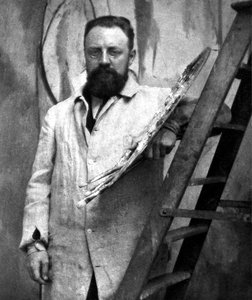
앙리 마티스
1869 - 1954 , 프랑스
주요 정보
- 국적: 프랑스
- 대표 작품:
- 호박들
- 흰 터번을 쓴 로레트
- 사망일: 1954년 11월 3일
- 영향을 받은 예술가:
- 모던 미술
- 표현주의
- 영향을 준 예술가:
- 반 고흐
- 샤르댕
- 러스
- 예술 사조: 포비즘 (Fauvism)
- 전체 이름: 앙리 에밀 베노와 마티스
- 출생일: 1869년 12월 31일
- 출생지: 르 카토-캄브레시, 프랑스
관련 기사 더 보기
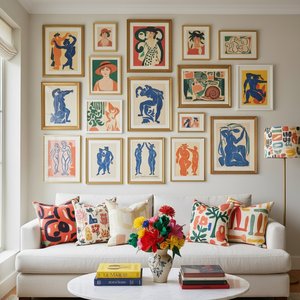
앙리 마티스의 걸작 25선: 색채와 감각의 혁신을 만나다 | OriginalUniqueArt
앙리 마티스의 시대를 초월하는 걸작 25선을 만나보세요. 색채주의, 야수파를 대표하는 그의 삶과 예술 세계를 탐험하고, OriginalUniqueArt에서 명화 복제본으로 거실 인테리어에 감동을 더하세요. 지금 바로 컬렉션을 확인하세요!
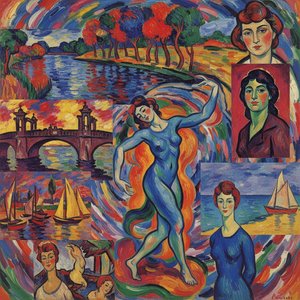
Fauvism's Boldest Visions: 10 Masterpieces That Revolutionized Modern Art | OriginalUniqueArt
Explore 10 Fauvist masterpieces by Matisse, Derain & Vlaminck that ignited Modern Art! Discover bold colors, expressionist landscapes & the history of this revolutionary movement. Find museum-quality prints at OriginalUniqueArt.com.
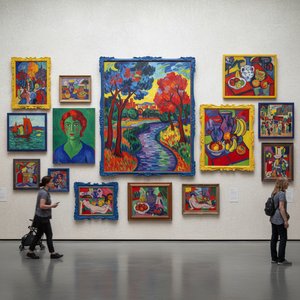
fauve 미술을 정의한 10대 걸작: 강렬한 색채와 혁신적인 표현의 세계
fauve 미술의 심장을 뛰게 하는 10대 걸작! 모리스 드니, 마티스 등 거장의 강렬한 색채와 혁신적인 표현을 만나보세요. 예술 작품 감상부터 인테리어 디자인 영감까지, OriginalUniqueArt.com에서 명품 아트 프린트를 찾아보세요.

Crimson Threads of Narrative: Exploring Symbolism & Representation in Artworks Featuring the Red Dress
Explore the rich symbolism of the red dress in art history! From ancient power displays to iconic portraits like Cézanne’s 'Madame Cezanne', discover the cultural and artistic significance behind this captivating color. Expert analysis & insights.

Fauvism Unveiled: The Wild Revolution of Color and Emotion in Modern Art
Explore the vibrant revolution of Fauvism. Discover how masters like Henri Matisse liberated color from reality to express pure emotion. An expert guide into the 'Wild Beasts' of modern art history for collectors and enthusiasts.



