

 미리보기
미리보기
 공유하기
공유하기 공유하기
공유하기
 상세 정보
상세 정보

 다운로드
다운로드
 유사 작품
유사 작품 X-레이
X-레이 슬라이드 쇼
Boats at Etretat
 캔버스에 유채
- 월아트
- Post-Impressionism
 1920
1920- 근대
 38.0 x 46.0 cm
 더 보기
더 보기
지클레 / 아트 프린트
빠른 제작과 다양한 마감 옵션을 제공하는 박물관 품질의 지클레이 또는 캔버스 프린트. ( 손으로 그린 그림 구매 이미지 구매)




P118B $10

P118H $10

P118W $10

P438Z $10

P508JH $12

P508YH $12

P805H $10

P805Z $10

P919BZ $10

P919G $10

P919XJ $10

P959ZH $10

P968JZ $12

W106C $8

W218G $10

W218JH $8

W218Y $10

W307PJ $10

W316G $10

W316PJ $8

W316Y $10

W398PJ $8

W4111J $10

W500HY $15

W500JH $15

W692G $12

W849H $8

W940BG $15

W953PJ $8




작품의 원본 비율을 유지하는 미리 설정된 크기 중에서 선택하세요.

특정 프레임이나 공간에 맞춰 직접 치수를 입력하실 수 있습니다. 선택하신 사이즈가 원본 이미지의 비율과 일치하지 않을 경우, 작품을 크롭(자르기)하거나 이미지를 대칭 또는 단색 채우기로 확장하여 제작합니다. 제작 시작 전, 최종 확인을 위해 디지털 목업이 전송됩니다.
화면상의 미리보기는 실제 크롭이나 확장 상태를 반영하지 않으므로, 최종 구도는 오직 목업을 통해서만 정확하게 확인하실 수 있습니다.
맞춤 사이즈 제작도 가능하지만, 원본 비율을 유지하기 위해서는 사전 정의된 목록에서 치수를 선택하시는 것을 권장합니다.


 유리 옵션은 110cm 미만 크기에서만 선택 가능합니다.

Boats at Etretat
지클레 / 아트 프린트
복제본 크기
-


최종 결제 금액
$ 80
A Normandy Reverie: Unveiling Matisse’s “Boats at Etretat”
Henri Matisse's “Boats at Etretat,” painted in 1920, is more than just a depiction of seaside leisure; it’s an intimate conversation between the artist and the rugged beauty of the French coastline. The painting captures a tranquil moment on the beach at Etretat, a town steeped in artistic history, where the dramatic cliffs have long beckoned painters seeking inspiration. Measuring 38 x 46 cm, this oil-on-canvas work embodies Matisse’s evolving style during the post-war period, showcasing his masterful ability to distill complex scenes into their essential forms and colors. Two substantial boats dominate the foreground, resting upon the sandy shore as if paused in a moment of quiet contemplation before or after their journey on the water. Smaller vessels dot the scene, receding into the distance and creating a sense of depth that draws the viewer’s eye along the shoreline. The composition isn't about precise representation; it’s about capturing an *impression* – the feeling of sun-drenched sand, the gentle lapping of waves, and the weight of the boats against the shore.The Echoes of Post-Impressionism & A Shift in Style
“Boats at Etretat” firmly places Matisse within the lineage of Post-Impressionism, yet it also reveals a distinct departure from the more radical experiments of his earlier Fauvist period. While the vibrant color palette remains a hallmark of his work, here it’s tempered with a greater emphasis on structure and form. The brushwork is fluid and confident, but less overtly expressive than in some of his earlier canvases. This shift reflects Matisse's ongoing exploration of classical principles – a desire to balance bold chromaticism with a sense of order and harmony. He wasn’t simply recording what he *saw*, but rather constructing an image based on observation, memory, and emotional response. The simplification of shapes, the careful arrangement of color planes, and the overall compositional balance all point towards Matisse's growing interest in creating paintings that were both visually stimulating and intellectually satisfying. It is a painting that speaks to a period of recovery and reflection following the First World War, a yearning for peace and beauty amidst the lingering shadows of conflict.Etretat: A Muse for Generations
The choice of Etretat as a subject is significant. This coastal town had already captivated artists like Claude Monet decades before Matisse arrived, most famously with Monet’s evocative snowscapes including “The Magpie.” Matisse was aware of this artistic heritage and consciously positioned himself within it. The dramatic cliffs and expansive skies of Etretat offered a compelling visual challenge – a landscape that demanded to be interpreted through the lens of modern sensibility. But beyond its aesthetic appeal, Etretat also represented a sense of escape and rejuvenation for Matisse. He sought refuge in its natural beauty, finding solace in the rhythm of the sea and the simplicity of coastal life. This personal connection undoubtedly infused “Boats at Etretat” with an emotional resonance that transcends mere representation. The painting isn’t just *of* Etretat; it's a reflection of Matisse’s own inner state – his search for harmony, balance, and enduring beauty in a changing world.Bringing the Masterpiece Home: A Reproduction as a Portal
For those captivated by the allure of “Boats at Etretat,” owning a hand-painted reproduction offers a unique opportunity to connect with Matisse’s vision on a deeply personal level. At OriginalUniqueArt, we meticulously recreate this masterpiece using traditional oil painting techniques, ensuring that every brushstroke and nuance of color is faithfully preserved. A reproduction isn't merely a copy; it’s a portal – an invitation to immerse yourself in the atmosphere of the Normandy coast and experience the tranquility that Matisse so eloquently captured. Imagine this evocative scene gracing your living room or study, bringing a touch of French elegance and artistic sophistication to your space. It is a piece that invites contemplation, offering a moment of respite from the demands of modern life – a reminder of the enduring power of art to uplift and inspire.작가 약력
색채의 거장, 앙리 마티스: 삶과 예술
앙리 에밀 베노와 마티스는 1869년 프랑스 북부 작은 마을 레 카토-캄브레시에서 태어났습니다. 법학을 공부하려던 그는 우연히 병으로 입원하며 그림에 눈뜨게 되었고, 어머니에게 받은 물감 세트가 그의 삶의 전환점이 되었습니다. 보앵-앙-베르망두아에서 성장하며 상인의 아들로 평범한 삶을 살았지만, 예술가의 길을 걷기로 결심한 순간부터 그는 색채와 형태로 표현되는 새로운 세계를 향해 나아갔습니다. 파리 학원과 에콜 데 보자르에서 전통적인 기법을 익혔지만, 그의 작품은 곧 자신만의 독특한 목소리를 찾아나갈 준비가 되어 있었습니다.야수파의 탄생과 대담한 실험
1896년 존 러셀과의 Belle Île 방문이 마티스의 예술 세계에 결정적인 영향을 미쳤습니다. 러셀을 통해 인상주의를 접하고, 더욱 중요한 것은 빈센트 반 고흐의 강렬한 색채와 감정을 담은 작품들을 보며 충격을 받았습니다. 이는 그의 팔레트를 변화시키고, 엄격한 재현 대신 감정과 어우러지는 색채를 탐구하도록 이끌었습니다. 이러한 탐색의 결과로 1905년 야수파가 등장했습니다. ‘야수’라는 이름은 비평가들이 그들의 강렬하고 비전통적인 작품에 붙인 조롱이었지만, 마티스와 앙드레 데랭, 모리스 드 블라멩크 등은 색채를 독립적인 표현 수단으로 활용하며 미술계에 새로운 바람을 일으켰습니다. 호박들(1905)과 같은 작품에서 볼 수 있듯이, 그는 전통적인 원근법을 무시하고 순수한 색면을 사용하여 강렬한 시각적 효과를 만들어냈습니다. 야수파는 짧은 기간 동안 존재했지만, 현대 미술의 흐름을 바꾸는 데 중요한 역할을 했습니다.장식과 조화: 예술의 진화
야수파 운동 이후 마티스는 더욱 세련된 스타일로 나아갔습니다. 색채에 대한 사랑을 포기하지 않으면서도, 그의 작품은 장식적인 아름다움을 강조하고 형태를 단순화하는 경향을 보였습니다. 프랑스 리비에라의 니스에서 정착하면서 지중해의 햇살과 여유로운 분위기가 그의 예술에 반영되었고, 평온함과 고전적인 균형미가 느껴지는 작품들을 탄생시켰습니다. 그는 회화뿐만 아니라 도자기, 직물 등 다양한 매체를 통해 자신의 예술적 비전을 확장했습니다. 단순한 장면 묘사를 넘어, 특정한 감정을 불러일으키는 환경을 구축하고자 했습니다.제한 속의 혁신: 종이 콜라주
건강 악화로 인해 전통적인 회화 기법을 사용하기 어려워지자, 마티스는 종이 콜라주라는 새로운 예술 영역을 개척했습니다. 1947년부터 시작된 이 작업은 필연에 의해 촉발되었지만, 곧 그의 예술적 탐구의 중요한 단계가 되었습니다. 그는 넓은 종이를 다채로운 색상으로 칠한 후, 가위로 잘라낸 형태들을 캔버스 위에 배열하여 역동적이면서도 간결한 작품을 창조했습니다. 이러한 콜라주들은 단순히 회화의 대체재가 아니라, 색과 형태에 대한 새로운 사고방식을 제시하며 그의 예술적 유산을 더욱 풍성하게 만들었습니다. 종이 콜라주는 그에게 순수한 형태와 색채를 얻는 데 유리했을 뿐만 아니라, 이전 작품들의 주제와 모티프를 새롭고 혁신적인 방식으로 재해석할 수 있는 기회를 제공했습니다.현대 미술에 미친 영향: 마티스의 유산
1954년 니스에서 세상을 떠난 앙리 마티스는 현대 미술사에 지대한 영향을 미쳤습니다. 그는 전통적인 표현 방식을 거부하고 색채의 힘을 옹호하며, 후대 예술가들에게 영감을 주었습니다. 파블로 피카소와 함께 20세기 미술을 정의한 주요 인물 중 한 명으로 평가받으며, 그의 작품은 전 세계 박물관과 개인 소장품에서 감상할 수 있습니다. 마티스는 단순한 그림쟁이가 아니라, 색채, 조화, 그리고 무한한 가능성으로 가득 찬 세상을 창조하고자 했던 예술가였습니다. 그는 우리가 세상을 보는 방식을 바꾸었고, 그의 유산은 오늘날까지도 현대 미술에 깊은 영향을 미치고 있습니다.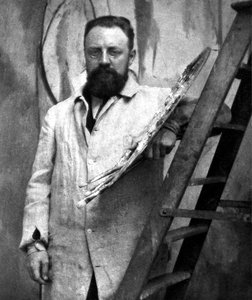
앙리 마티스
1869 - 1954 , 프랑스
주요 정보
- 국적: 프랑스
- 대표 작품:
- 호박들
- 흰 터번을 쓴 로레트
- 사망일: 1954년 11월 3일
- 영향을 받은 예술가:
- 모던 미술
- 표현주의
- 영향을 준 예술가:
- 반 고흐
- 샤르댕
- 러스
- 예술 사조: 포비즘 (Fauvism)
- 전체 이름: 앙리 에밀 베노와 마티스
- 출생일: 1869년 12월 31일
- 출생지: 르 카토-캄브레시, 프랑스
관련 기사 더 보기
앙리 마티스의 걸작 25선: 색채와 감각의 혁신을 만나다 | OriginalUniqueArt
앙리 마티스의 시대를 초월하는 걸작 25선을 만나보세요. 색채주의, 야수파를 대표하는 그의 삶과 예술 세계를 탐험하고, OriginalUniqueArt에서 명화 복제본으로 거실 인테리어에 감동을 더하세요. 지금 바로 컬렉션을 확인하세요!
Fauvism's Boldest Visions: 10 Masterpieces That Revolutionized Modern Art | OriginalUniqueArt
Explore 10 Fauvist masterpieces by Matisse, Derain & Vlaminck that ignited Modern Art! Discover bold colors, expressionist landscapes & the history of this revolutionary movement. Find museum-quality prints at OriginalUniqueArt.com.

Boats on Canvas: 10 Masterpieces of Maritime Art for Your Home Decor
Sail away with 10 iconic boat paintings! Explore masterpieces by Monet, Van Gogh & Turner. Discover the stories behind these timeless seascapes and find museum-quality art reproductions for your home decor at OriginalUniqueArt.com.

후기인상주의를 정의한 10대 걸작: 예술과 홈데코의 새로운 영감
후기인상주의를 빛낸 10대 명작! 고흐, 세잔 등 거장의 작품 비하인드 스토리와 예술적 의미를 만나보세요. OriginalUniqueArt에서 최고급 미술 복제 및 인테리어 영감을 얻고, 당신의 공간을 예술로 채워보세요. 지금 바로 확인하세요!
fauve 미술을 정의한 10대 걸작: 강렬한 색채와 혁신적인 표현의 세계
fauve 미술의 심장을 뛰게 하는 10대 걸작! 모리스 드니, 마티스 등 거장의 강렬한 색채와 혁신적인 표현을 만나보세요. 예술 작품 감상부터 인테리어 디자인 영감까지, OriginalUniqueArt.com에서 명품 아트 프린트를 찾아보세요.



