
 미리보기
미리보기
 공유하기
공유하기 공유하기
공유하기
 상세 정보
상세 정보

 다운로드
다운로드
 유사 작품
유사 작품 X-레이
X-레이 슬라이드 쇼
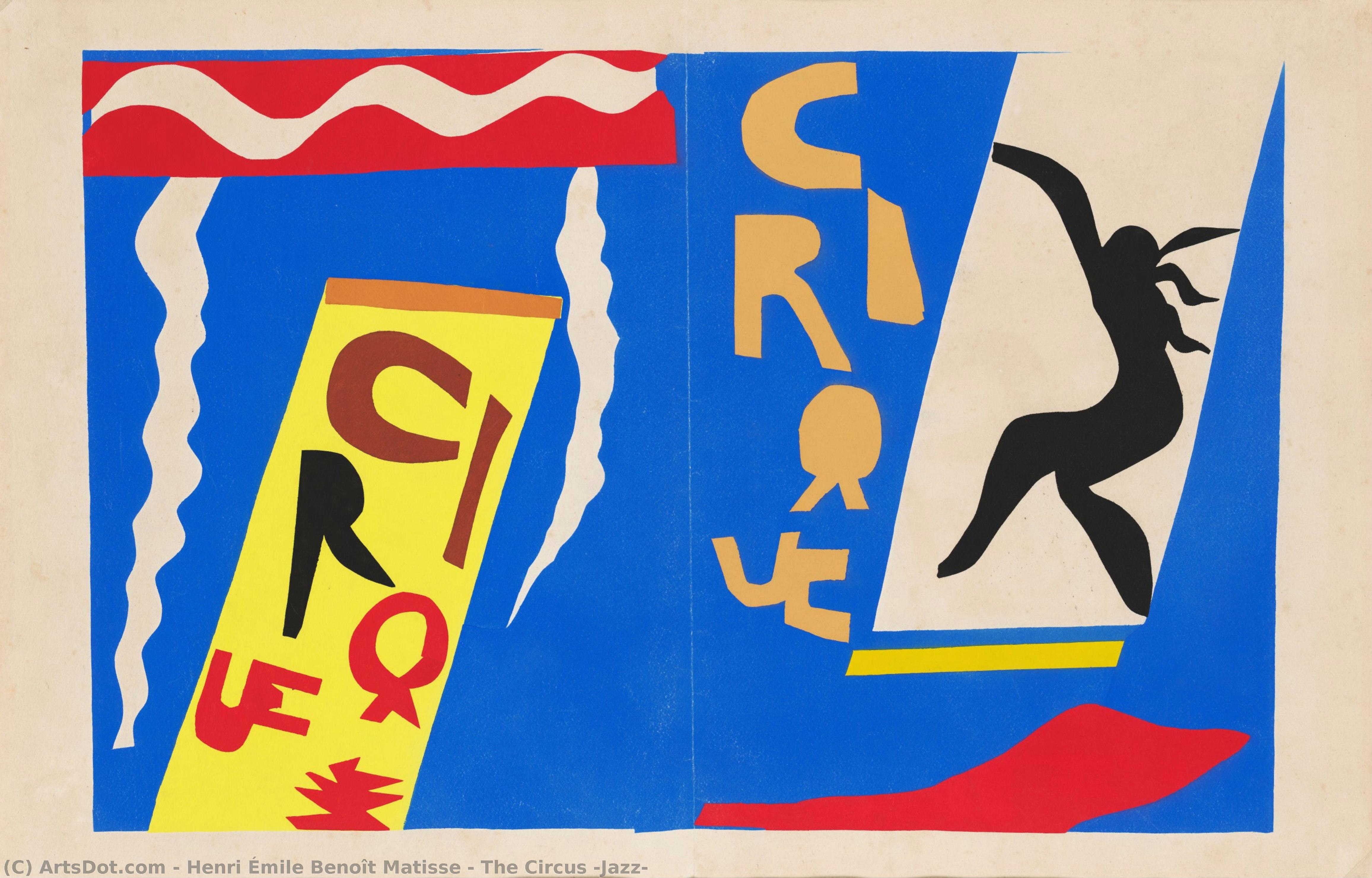
The Circus (Jazz)
 더 보기
더 보기
지클레 / 아트 프린트
빠른 제작과 다양한 마감 옵션을 제공하는 박물관 품질의 지클레이 또는 캔버스 프린트. ( 손으로 그린 그림 구매 이미지 구매)




































작품의 원본 비율을 유지하는 미리 설정된 크기 중에서 선택하세요.

특정 프레임이나 공간에 맞춰 직접 치수를 입력하실 수 있습니다. 선택하신 사이즈가 원본 이미지의 비율과 일치하지 않을 경우, 작품을 크롭(자르기)하거나 이미지를 대칭 또는 단색 채우기로 확장하여 제작합니다. 제작 시작 전, 최종 확인을 위해 디지털 목업이 전송됩니다.
화면상의 미리보기는 실제 크롭이나 확장 상태를 반영하지 않으므로, 최종 구도는 오직 목업을 통해서만 정확하게 확인하실 수 있습니다.
맞춤 사이즈 제작도 가능하지만, 원본 비율을 유지하기 위해서는 사전 정의된 목록에서 치수를 선택하시는 것을 권장합니다.


 유리 옵션은 110cm 미만 크기에서만 선택 가능합니다.

The Circus (Jazz)
지클레 / 아트 프린트
복제본 크기
-


최종 결제 금액
$ 80
작가 약력
Early Life and Artistic Beginnings
- Born: December 31, 1869, Le Cateau-Cambrésis, France
- Died: November 3, 1954, Nice, France
- Matisse's early life was marked by a period of illness in his youth which led him to pursue art as a hobby.
- He initially studied law but abandoned it to dedicate himself to painting.
- Early influences included Gustave Moreau and Édouard Manet, whose works he encountered during trips to Paris.
- His initial artistic style leaned towards realism before evolving into more experimental approaches.
The Fauvist Period and Artistic Development
- Matisse became a leading figure in the Fauvist movement around 1905.
- Fauvism, meaning "wild beasts," was characterized by its intense, non-naturalistic use of color.
- Key works from this period include "Woman with a Hat" (1905) and "The Joy of Life" (1906).
- He sought to express emotion through bold colors rather than representational accuracy.
- His approach challenged conventional artistic norms and sparked considerable controversy.
Mature Style and Continued Exploration
- After Fauvism, Matisse developed a more refined and decorative style.
- He explored flattened forms, simplified compositions, and intricate patterns.
- Travels to North Africa (Morocco) significantly influenced his palette and subject matter.
- His works from this period often feature luxurious interiors, portraits of women, and landscapes with vibrant colors.
- Notable paintings include "Moroccan in Green" (1911) and various depictions of dancers.
Later Years: Cut-Outs and Legacy
- In his later years, Matisse faced health challenges that limited his ability to paint traditionally.
- He innovatively developed a technique using cut-out paper collages.
- These "cut-outs" involved cutting shapes from colored paper and arranging them into compositions.
- The Chapelle de la Médiathèque in Nice, France, is a testament to his late work, featuring murals created with this technique.
- Historical Significance: Matisse's contributions to modern art are immense. He profoundly influenced subsequent generations of artists and helped shape the development of abstract expressionism and other movements. His emphasis on color, form, and decorative elements continues to inspire artists today.
Key Influences and Artistic Relationships
- Paul Cézanne: Matisse admired Cézanne's structural approach to painting and his exploration of form.
- Pablo Picasso: A contemporary and rival, Picasso shared a similar drive to revolutionize art. Their artistic dialogues shaped the course of 20th-century art.
- Gertrude Stein & Etta Cone: These American collectors were significant patrons of Matisse's work and played a crucial role in his career.
- Japanese Prints: The simplicity, flat planes, and bold patterns of Japanese prints deeply influenced Matisse’s aesthetic sensibilities.

henri émile benoît matisse
1869 - 1954 , France
주요 정보
- Artistic Movement Or Style: Fauvism, Post-Impressionism
- Date Of Birth: December 31, 1869
- Date Of Death: 1954
- Full Name: Henri Émile Benoît Matisse
- Nationality: French
- Notable Artworks:
- Carla Accardi Grigo Bruno
- The Banks of the Marne
- Belle-Île, rochers
- Moroccan in Green
- Place Of Birth: Le Cateau-Cambrésis, France

