

 실제 크기로 보기
 보내기
보내기 공유하기
공유하기
 상세 보기
상세 보기 가이드 보기

 이미지 다운로드
 유사 작품 더 보기
 X-레이
X-레이 슬라이드 쇼 보기
 통계 정보
통계 정보Odalisque


 상세 보기
상세 보기
핸드메이드 유화 복제화
작가가 직접 캔버스에 손으로 그린 유화 작품으로, 원하는 크기와 액자로 맞춤 제작해 드립니다. ( 프린트 판매로 전환 디지털 이미지 판매 채널로 전환)




P118B ₩10

P118H ₩10

P118W ₩10

P438Z ₩10

P508JH ₩12

P508YH ₩12

P805H ₩10

P805Z ₩10

P919BZ ₩10

P919G ₩10

P919XJ ₩10

P959ZH ₩10

P968JZ ₩12

W106C ₩8

W218G ₩10

W218JH ₩8

W218Y ₩10

W307PJ ₩10

W316G ₩10

W316PJ ₩8

W316Y ₩10

W398PJ ₩8

W4111J ₩10

W500HY ₩15

W500JH ₩15

W692G ₩12

W849H ₩8

W940BG ₩15

W953PJ ₩8




작품의 원본 비율을 그대로 유지하는 프리셋 사이즈 중에서 선택해 보세요.

액자나 벽면 크기에 맞춰 필요한 가로와 세로 길이를 입력해 주세요. 본 작품은 수작업으로 제작되므로, 요청하신 비율에 따라 작가가 그림의 가장자리를 조금 더 넓게 그리거나 일부를 조정하여 작업할 수 있습니다. 작업 시작 전, 최종 확인을 위해 디지털 목업 이미지를 보내드립니다. 이 페이지에 표시된 이미지는 실제 결과물과 다를 수 있으며, 오직 목업 이미지만이 정확한 결과물을 보여줍니다.
주문 완료 후 OriginalUniqueArt.com 팀에서 상세 안내를 위해 고객님께 이메일을 보내드리며, 미리보기 시안을 함께 제공해 드립니다.


 유리 옵션은 110cm 미만 크기에서만 선택 가능합니다.

Odalisque
재현 매체
복제본 규격
-


총 결제 금액
₩ 409430
A Moment of Intimate Serenity
In the quietude of 1925, Henri Matisse captured a scene of profound personal stillness in his masterpiece, Odalisque. The painting invites the viewer into a private sanctuary, where a solitary woman sits bathed in the soft, diffused light of an unseen window. There is an undeniable sense of vulnerability and grace as she gazes outward, her form partially revealed, lost in a moment of deep introspection. This is not merely a portrait of a figure, but an exploration of the boundary between the internal soul and the external world. The composition, characterized by its delicate balance, places the subject amidst a carefully curated domestic landscape—a room where checkered patterns and lush greenery breathe life into the stillness.
The atmosphere is one of tranquil contemplation, making this piece an extraordinary choice for those looking to infuse a living space with a sense of calm and sophisticated repose. For the discerning collector or interior designer, Odalisque offers more than just visual beauty; it provides an emotional anchor. The way the light interacts with the subject's skin and the surrounding textures creates a rhythmic harmony that can transform a modern room into a gallery of peace.
The Mastery of Color and Form
As a titan of the Fauvist movement, Matisse’s approach to Odalisque showcases his unparalleled ability to use color as a language of emotion. While his earlier works were known for their "wild" and non-naturalistic hues, this period of his career demonstrates a more refined, sculptural mastery of form. The technique relies on fluid draughtsmanship and a sophisticated palette that guides the eye through the room's intricate details—from the rhythmic patterns of the checkered couch to the organic silhouettes of the potted plants. Each element is placed with intentionality, creating a decorative flow that feels both spontaneous and meticulously planned.
The interplay between the structured geometry of the furniture and the soft, organic curves of the human form creates a captivating visual tension. This balance of structure and fluidity is what makes a high-quality reproduction of this work so impactful in home decor; it brings a sophisticated architectural rhythm to any wall. The artist’s ability to simplify complex scenes into essential, expressive shapes ensures that the painting remains timeless, transcending the era of its creation to remain eternally modern.
A Legacy of Decorative Elegance
To possess a piece inspired by Matisse is to hold a fragment of art history's most revolutionary spirit. Odalisque stands as a testament to the artist's lifelong pursuit of "expression through simplicity." The painting does not rely on heavy ornamentation but rather on the evocative power of light, shadow, and space. The presence of the vases and the verdant plants adds layers of texture and life, suggesting a world that is both curated and deeply lived-in.
For those seeking to curate an environment of elegance and intellectual depth, this artwork serves as a perfect centerpiece. It bridges the gap between classical subject matter and modern aesthetic sensibilities. Whether placed in a sunlit study or a grand salon, the Odalisque continues to whisper stories of beauty, solitude, and the enduring power of the human gaze, making it an indispensable treasure for any serious collection of fine art reproductions.
질의응답
Henri Émile Benoît Matisse의 "Odalisque"의 주요 색상은 무엇인가요?
Henri Émile Benoît Matisse의 "Odalisque"의 주요 색상은 Driftwood (#9f7957)입니다.
주문하기 전에 Henri Émile Benoît Matisse의 "Odalisque"를 미리 볼 수 있나요?
"Odalisque"의 미리보기 페이지에서는 주문 전 작품을 미리 확인할 수 있습니다.
Henri Émile Benoît Matisse의 "Odalisque"의 원화는 어디에서 볼 수 있나요?
Henri Émile Benoît Matisse의 "Odalisque"은(는) Museo del Novecento, 밀라노, 이탈리아에 전시되어 있습니다. 박물관 목록은 복제품이 아닌 원작을 기준으로 합니다.
작가 소개
Early Life and Artistic Beginnings
- Born: December 31, 1869, Le Cateau-Cambrésis, France
- Died: November 3, 1954, Nice, France
- Matisse's early life was marked by a period of illness in his youth which led him to pursue art as a hobby.
- He initially studied law but abandoned it to dedicate himself to painting.
- Early influences included Gustave Moreau and Édouard Manet, whose works he encountered during trips to Paris.
- His initial artistic style leaned towards realism before evolving into more experimental approaches.
The Fauvist Period and Artistic Development
- Matisse became a leading figure in the Fauvist movement around 1905.
- Fauvism, meaning "wild beasts," was characterized by its intense, non-naturalistic use of color.
- Key works from this period include "Woman with a Hat" (1905) and "The Joy of Life" (1906).
- He sought to express emotion through bold colors rather than representational accuracy.
- His approach challenged conventional artistic norms and sparked considerable controversy.
Mature Style and Continued Exploration
- After Fauvism, Matisse developed a more refined and decorative style.
- He explored flattened forms, simplified compositions, and intricate patterns.
- Travels to North Africa (Morocco) significantly influenced his palette and subject matter.
- His works from this period often feature luxurious interiors, portraits of women, and landscapes with vibrant colors.
- Notable paintings include "Moroccan in Green" (1911) and various depictions of dancers.
Later Years: Cut-Outs and Legacy
- In his later years, Matisse faced health challenges that limited his ability to paint traditionally.
- He innovatively developed a technique using cut-out paper collages.
- These "cut-outs" involved cutting shapes from colored paper and arranging them into compositions.
- The Chapelle de la Médiathèque in Nice, France, is a testament to his late work, featuring murals created with this technique.
- Historical Significance: Matisse's contributions to modern art are immense. He profoundly influenced subsequent generations of artists and helped shape the development of abstract expressionism and other movements. His emphasis on color, form, and decorative elements continues to inspire artists today.
Key Influences and Artistic Relationships
- Paul Cézanne: Matisse admired Cézanne's structural approach to painting and his exploration of form.
- Pablo Picasso: A contemporary and rival, Picasso shared a similar drive to revolutionize art. Their artistic dialogues shaped the course of 20th-century art.
- Gertrude Stein & Etta Cone: These American collectors were significant patrons of Matisse's work and played a crucial role in his career.
- Japanese Prints: The simplicity, flat planes, and bold patterns of Japanese prints deeply influenced Matisse’s aesthetic sensibilities.

Henri Émile Benoît Matisse
1869 - 1954 , France
작가 정보 요약
- Full Name: Henri Émile Benoît Matisse
- Nationality: French
- Date Of Birth: 1869
- Date Of Death: 1954
- Place Of Birth: Le Cateau-Cambrésis, France
- Notable Artworks:
- Carla Accardi Grigo Bruno
- The Banks of the Marne
- Belle-Île, rochers
- Moroccan in Green
- Artistic Movement Or Style: Fauvism, Post-Impressionism
관련 기사
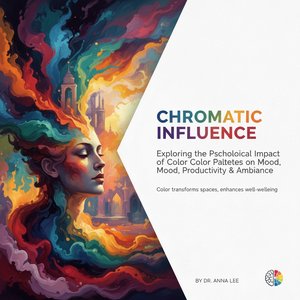
Chromatic Influence: Exploring the Psychological Impact of Color Palettes on Mood, Productivity & Ambiance
Explore the profound impact of color on mood, productivity & ambiance with our expert guide to color psychology for interior design. Discover how strategic palettes transform spaces and enhance well-being.
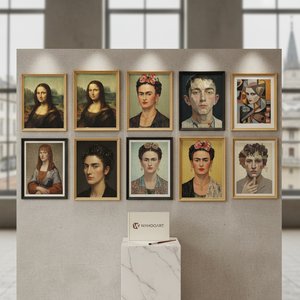
Masterful Portraits: 10 Artworks That Define a Genre | OriginalUniqueArt
Explore 10 iconic portrait paintings – from Mona Lisa to Van Gogh’s self-portraits. Discover the stories behind these masterpieces, artistic techniques & find museum-quality art reproductions for your home at OriginalUniqueArt.com.
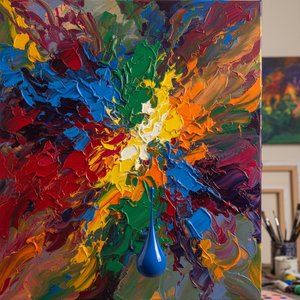
The Resonance of Boldness: Exploring Emotional Impact & Artistic Techniques in Color-Dominant Works
Explore the powerful impact of color in art history! Discover how master artists evoked emotion & built movements through bold palettes. Expert insights for collectors – OriginalUniqueArt.
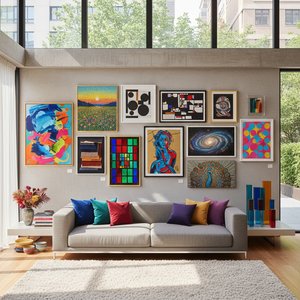
Chromatic Masterpieces: 10 Artworks That Define Color & Inspire Your Home Decor
Explore 10 iconic artworks – from Monet to Matisse – that masterfully use color! Discover the stories behind these vibrant paintings, their techniques & emotional impact. Find museum-quality art reproductions and inspiring decor ideas on OriginalUniqueArt.com.
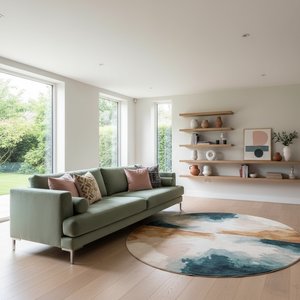
공간의 조화: 인테리어 디자인에서 색상 팔레트를 활용하는 심리적 접근
인테리어 디자인에서 색상 팔레트의 심리적 효과를 완벽 분석합니다. 공간별 최적의 조합, 개인 취향 반영 방법, 트렌드 컬러 활용 전략까지! 전문가의 조언으로 당신의 공간을 더욱 아름답고 편안하게 변화시키세요.