 프린트 판매로 전환
 더 보기
더 보기







































 가로 또는 세로 중 어느 한 면이라도 105cm(약 41인치)를 초과하는 작품이나 복제화의 경우, 프레임은 분해된 키트 형태로 배송됩니다. 이는 안전한 배송을 보장하고 운송 중 발생할 수 있는 손상을 방지하기 위함입니다.


The Melodic Shadows of the Utrecht Caravaggisti
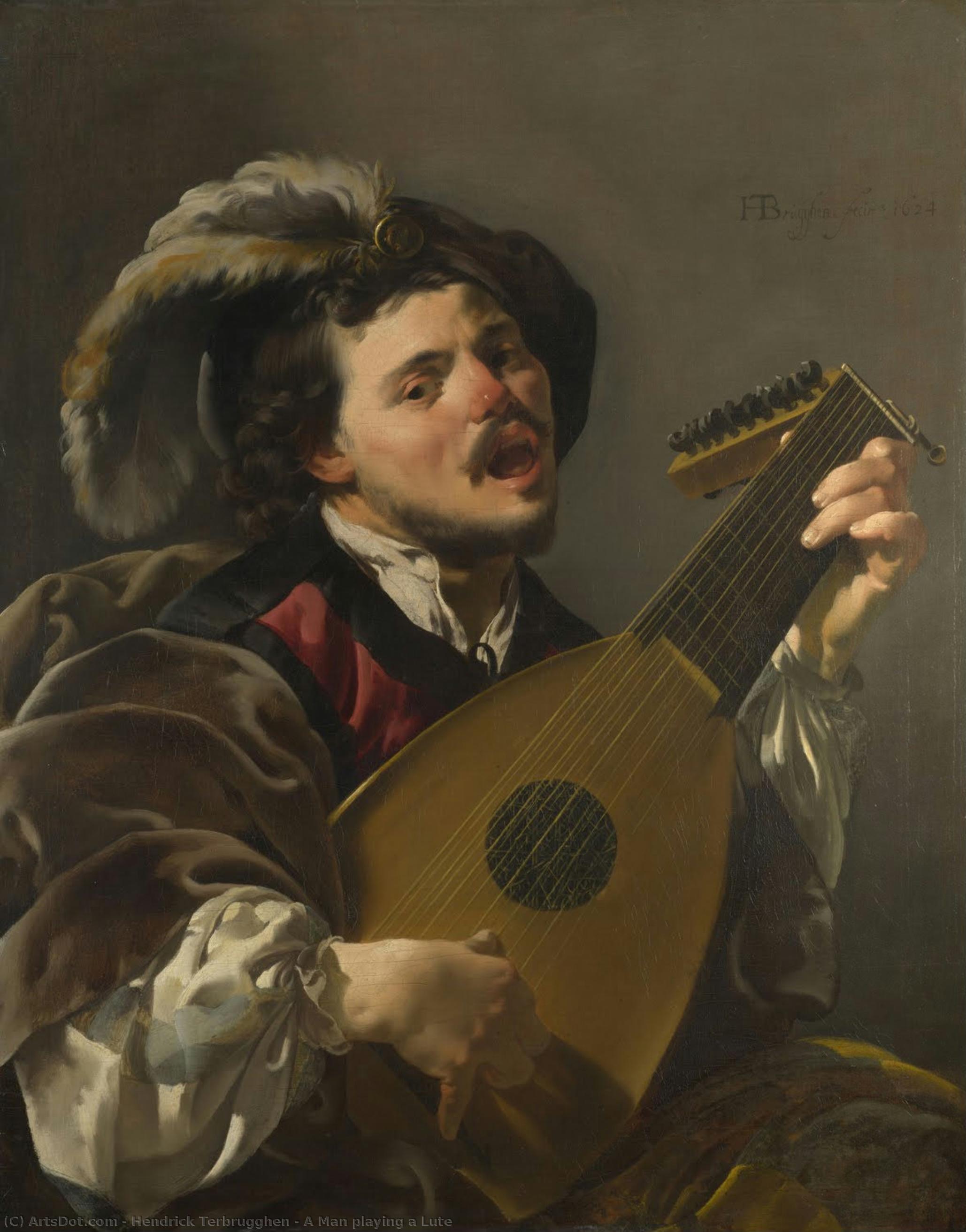
In the quiet intimacy of 1624, Hendrick Terbrugghen captured a moment of profound musical devotion that transcends the centuries. A Man playing a Lute is not merely a portrait of a musician; it is a masterclass in the dramatic interplay of light and shadow, a hallmark of the Utrecht Caravaggisti movement. As the man cradles his instrument, the viewer is drawn into a private world where the only sound is the imagined resonance of plucked strings. The composition breathes with an elegance that speaks to the sophisticated tastes of the Dutch Golden Age, offering a window into a period where art sought to bridge the gap between the earthly and the divine through the visceral beauty of everyday life.
The technique employed by Terbrugghen is nothing short of breathtaking. Utilizing the chiaroscuro method—a technique perfected by Caravaggio and brought to the Netherlands by artists like Terbrugghen—the painter uses deep, velvety shadows to sculpt the figure from the darkness. This high-contrast approach directs our gaze toward the vibrant textures of the subject's attire: the rich, crimson fabric of his clothing and the soft, tactile presence of his fur-trimmed hat. Every brushstroke serves to highlight the intricate craftsmanship of the lute itself, making the instrument feel heavy, tangible, and central to the soul of the painting.
A Symphony of Color and Texture
For the discerning collector or interior designer, this piece offers a magnificent palette of warm tones that can anchor a room with a sense of historical prestige. The deep reds and earthy ochres create an atmosphere of warmth and luxury, making it an ideal centerpiece for a study, a library, or a formal dining area. The visual weight of the lute, which occupies a significant portion of the canvas, provides a structural focal point that commands attention without overwhelming the surrounding decor. It is a work that invites contemplation, encouraging guests to linger on the fine details of the man's concentrated expression and the delicate anatomy of his hands.
Beyond its aesthetic appeal, the painting carries a symbolic weight common in seventeenth-century Dutch art. The lute often served as a metaphor for harmony—both musical and social. To possess such a work is to invite a sense of balance and refined culture into one's space. Whether viewed as a historical artifact or a stunning decorative element, A Man playing a Lute remains a timeless testament to the power of light to reveal the hidden beauty in a single, fleeting moment of artistic expression.
질의응답
헨드릭 테르브루겐의 "A Man playing a Lute"은 어떤 미술 사조와 시대에 속하나요?
"A Man playing a Lute"은(는) Baroque 사조에 속하며, 작가는 근세 초기 시대에 활동했습니다.
"A Man playing a Lute"의 복제 작품은 집 안 어느 공간에 잘 어울릴까요?
헨드릭 테르브루겐의 "A Man playing a Lute" 작품에 추천하는 공간은 Living Room입니다. 물론 이 제안은 고객님의 인테리어 스타일에 맞춰 자유롭게 조정하실 수 있습니다.
학생들을 위한 헨드릭 테르브루겐의 "A Man playing a Lute" 관련 팩트시트가 있나요?
헨드릭 테르브루겐의 "A Man playing a Lute"에 대한 학습 가이드 페이지를 이용하실 수 있습니다. 이 페이지는 학생들과 수업용으로 제작된, 인쇄 가능한 작품 정보 시트를 제공합니다.
이 작품에 대해 더 알아보기
 미리보기
미리보기
 공유하기
공유하기 공유하기
공유하기
 상세 정보
상세 정보 가이드 보기

 다운로드
다운로드
 유사 작품 더 보기
 X-레이
X-레이 슬라이드 쇼 보기
 질의응답
질의응답 통계 정보
통계 정보






