
 미리보기
미리보기
 프린트 구매
 공유하기
공유하기 공유하기
공유하기
 상세 정보
상세 정보

 다운로드
다운로드
 유사 작품
유사 작품 X-레이
X-레이 슬라이드 쇼
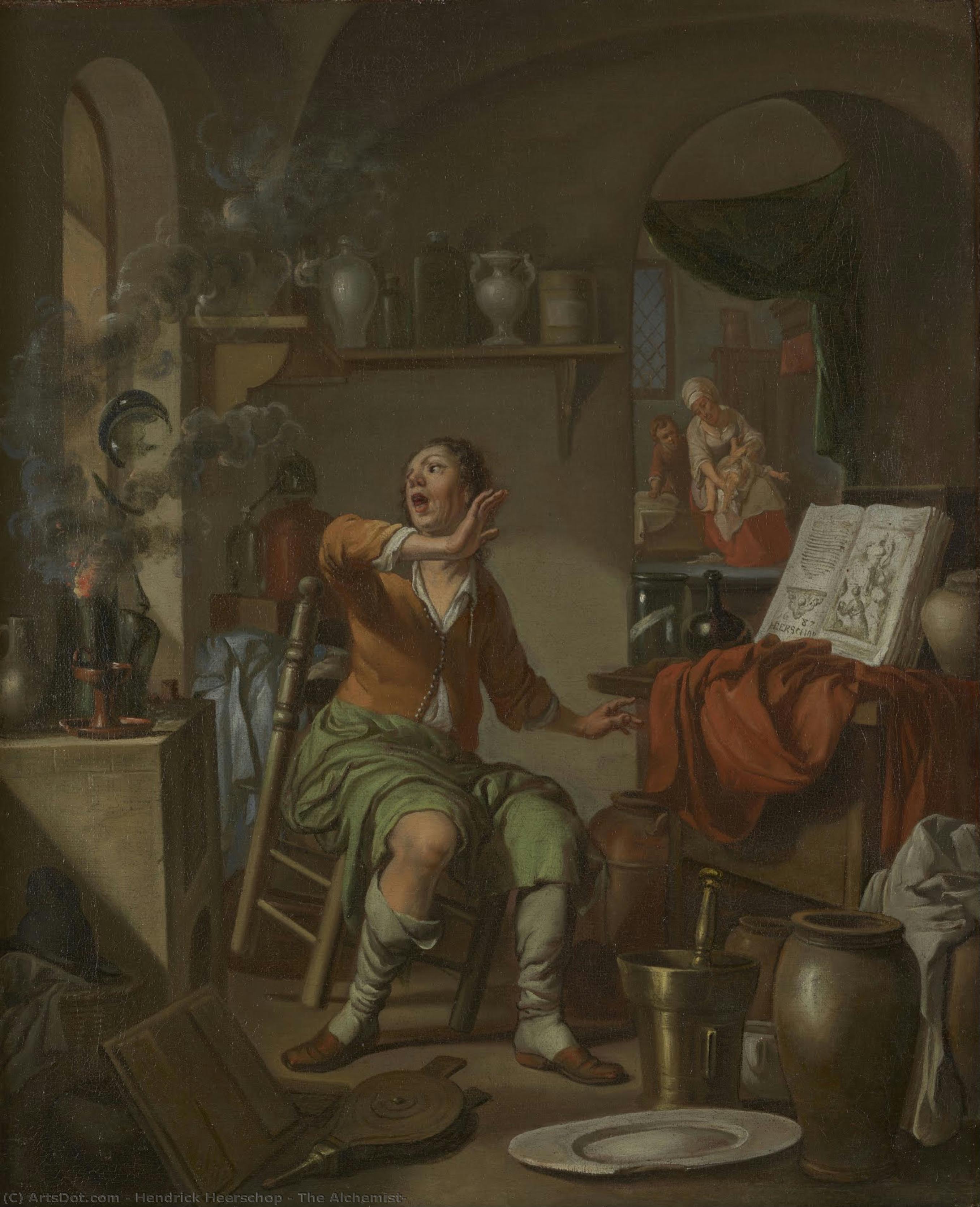
The Alchemist


 더 보기
더 보기




P118B $10

P118H $10

P118W $10

P438Z $10

P508JH $12

P508YH $12

P805H $10

P805Z $10

P919BZ $10

P919G $10

P919XJ $10

P959ZH $10

P968JZ $12

W106C $8

W218G $10

W218JH $8

W218Y $10

W307PJ $10

W316G $10

W316PJ $8

W316Y $10

W398PJ $8

W4111J $10

W500HY $15

W500JH $15

W692G $12

W849H $8

W940BG $15

W953PJ $8




작품의 원본 비율을 유지하는 미리 설정된 크기 중에서 선택하세요.

특정 프레임이나 공간에 맞도록 직접 크기를 입력할 수 있습니다. 선택하신 크기가 원본 이미지의 비율과 일치하지 않는 경우, 작품을 자르거나 추가적인 손으로 그린 요소를 사용하여 그림을 확장합니다. 제작 시작 전 승인을 위해 디지털 목업을 보내드립니다.
화면 미리 보기는 실제 자르기 또는 확장을 반영하지 않습니다. 최종 구성은 목업을 통해서만 정확하게 확인하실 수 있습니다.
맞춤 크기 제작도 가능하지만, 원본 비율을 유지하기 위해 사전 정의된 목록에서 크기를 선택하시는 것을 권장합니다.
주문 후 OriginalUniqueArt.com 팀에서 상세 안내를 위해 고객님께 이메일을 보내드리며, 미리보기 시안을 제공해 드립니다.


 유리 옵션은 110cm 미만 크기에서만 선택 가능합니다.

The Alchemist
재현 기법
복제본 크기
-


최종 결제 금액
$ 300
작품 상세 설명
작가 약력
A Life Immersed in Haarlem: The Conversation Pieces of Hendrick Heerschop
Hendrick Heerschop, a name perhaps less immediately recognizable than some of his Dutch Golden Age contemporaries, nevertheless occupies a fascinating niche within the artistic landscape of 17th-century Holland. Born in Haarlem in 1626 and remaining there until his death in 1690, Heerschop’s life was deeply interwoven with the fabric of this thriving cultural center. His father, Harmen Jansz., was a tailor, providing a stable if unartistic background for the young Hendrick. Hints suggest a possible Mennonite upbringing, a religious affiliation that may have subtly influenced his choice of subject matter and approach to depicting everyday life. In 1650, he married Janneke Jansdr. van Kuyndert, establishing a domestic foundation that allowed him to pursue his artistic endeavors.Formative Years & Artistic Lineage
Heerschop’s artistic journey began with apprenticeships under two significant figures: Willem Claesz Heda and, crucially, Rembrandt Harmenszoon van Rijn. Studying under Heda, renowned for his exquisitely detailed still lifes, undoubtedly instilled in Heerschop a meticulous attention to realism and texture. However, it was his time with Rembrandt that proved truly transformative. While the precise nature of their relationship remains somewhat elusive—was he a formal pupil or simply benefited from exposure to Rembrandt’s workshop?—the influence is undeniable. The dramatic use of light and shadow, the psychological depth in portraying figures, and a general sense of narrative weight all bear the hallmarks of Rembrandt's style. Heerschop didn’t merely copy his master; rather, he absorbed these principles and adapted them to his own unique vision.The Art of Conversation: Defining a Genre
Heerschop is best known for his “conversation pieces”—intimate scenes depicting groups of figures engaged in everyday activities, often within domestic interiors. These weren’t grand historical narratives or mythological allegories; instead, they focused on the quiet moments of life – families sharing meals, friends exchanging news, individuals lost in thought. This focus was a deliberate choice, reflecting a growing interest among Dutch artists and patrons in portraying scenes from their own lives and surroundings. Heerschop excelled at capturing the subtle nuances of human interaction, the unspoken emotions that played across faces, and the details of material culture that defined 17th-century Dutch society. His paintings are not simply portraits; they are windows into a world, offering glimpses of social customs, moral values, and the complexities of family life.Technique & Symbolism: A Subtlety of Meaning
While influenced by Rembrandt’s chiaroscuro, Heerschop developed his own distinctive palette—often employing warm, earthy tones with a delicate luminosity. His brushwork is precise yet not overly labored, creating a sense of realism without sacrificing artistic expression. Beyond the surface level of realistic depiction, Heerschop's paintings often contain subtle symbolic elements. Objects within the scenes – books, musical instruments, clothing – were rarely chosen at random; they frequently carried allegorical meanings related to virtue, morality, or social status. The careful arrangement of these details invites viewers to look beyond the immediate narrative and contemplate deeper themes. He was a master of creating atmosphere, using light not just to illuminate forms but also to evoke mood and psychological states.Legacy & Historical Significance
Although he didn’t achieve the widespread fame of some of his contemporaries, Hendrick Heerschop left a significant mark on Dutch Golden Age painting. His conversation pieces represent a key development in genre painting, paving the way for later artists who sought to capture the everyday lives of ordinary people. His ability to blend realism with subtle symbolism and psychological depth continues to resonate with viewers today. Paintings by Heerschop can be found in prominent collections such as the Rijksmuseum, Art UK, and Artnet, ensuring his work remains accessible for study and appreciation. His paintings offer a valuable insight into the social and cultural values of 17th-century Holland, reminding us that even the most seemingly mundane scenes can hold profound artistic and historical significance.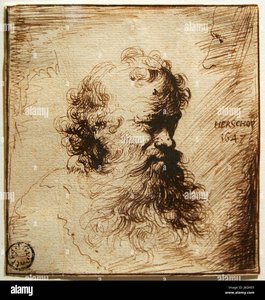
hendrick heerschop
1626 - 1690 , Netherlands
주요 정보
- Artistic Movement Or Style: Conversation Pieces
- Artists Who Influenced This Artist:
- Willem Claesz Heda
- Rembrandt
- Date Of Birth: 1626
- Date Of Death: 1690
- Full Name: Hendrick Heerschop
- Nationality: Dutch
- Place Of Birth: Haarlem, Netherlands
관련 기사 더 보기

Golden Light & Dutch Skies: The Timeless Magic of Dutch Golden Age Landscapes
Discover the breathtaking beauty of Dutch Golden Age landscapes. Explore the mastery of light, chiaroscuro, and 17th-century realism through an expert art history lens, celebrating the enduring legacy of the Dutch Masters for discerning collectors and art lovers.

네덜란드 황금 시대 예술의 정수를 담은 10대 걸작 탐구
렘브란트, 베르메르의 걸작부터 할스의 인물화까지! 네덜란드 황금시대 미술의 10대 명품을 만나보세요. 예술적 깊이와 아름다움을 담은 작품들을 OriginalUniqueArt에서 감상하고, 고품질 아트 프린트로 당신의 공간에 특별함을 더하세요. 지금 바로 OriginalUniqueArt.com에서 모든 걸작을 발견하세요!

Golden Age Reflections: Dutch Baroque Painting & Cultural Innovation
Explore the Dutch Golden Age of painting! Discover key artists like Vermeer & ter Borch, their innovative techniques, and the rich cultural context behind these Baroque masterpieces. Learn about collecting & appreciating this iconic art period.

Mastering Light & Shadow: A Journey Through the Dutch Golden Age's Luminous Legacy
Embark on a cultural journey through the Dutch Golden Age. Explore the masterful interplay of light and shadow in 17th-century masterpieces, from Rembrandt to Vermeer, and discover how this era of profound realism continues to inspire fine art collectors today.

Illuminating Innovation: Exploring the Dutch Golden Age of Painting
Explore the Dutch Golden Age of painting with OriginalUniqueArt. Discover Rembrandt, Vermeer & other Masters. Learn about key characteristics, iconic artworks, and lasting influence. Expert insights for collectors & enthusiasts.

