

 실제 크기로 보기
 보내기
보내기 공유하기
공유하기
 상세 보기
상세 보기 가이드 보기

 이미지 다운로드
 유사 작품 더 보기
 X-레이
X-레이 슬라이드 쇼 보기
 통계 정보
통계 정보Title(Japanese): 唐犬
 Acrylic On Canvas
- WallArt
- Japanese Painting
 1936
1936 366.0 x 164.0 cm
 오사카 시립 미술관
 상세 보기
상세 보기
지클레 / 아트 프린트
빠른 제작과 다양한 마감 옵션을 선택할 수 있는 박물관 수준의 지클레이 및 캔버스 프린트. ( 수작업 채색 복제본 주문하기 디지털 이미지 판매 채널로 전환)




P118B $10

P118H $10

P118W $10

P438Z $10

P508JH $12

P508YH $12

P805H $10

P805Z $10

P919BZ $10

P919G $10

P919XJ $10

P959ZH $10

P968JZ $12

W106C $8

W218G $10

W218JH $8

W218Y $10

W307PJ $10

W316G $10

W316PJ $8

W316Y $10

W398PJ $8

W4111J $10

W500HY $15

W500JH $15

W692G $12

W849H $8

W940BG $15

W953PJ $8




작품의 원본 비율을 그대로 유지하는 프리셋 사이즈 중에서 선택해 보세요.

특정 프레임이나 공간에 맞춰 직접 치수를 입력하실 수 있습니다. 선택하신 사이즈가 원본 이미지의 비율과 일치하지 않을 경우, 작품을 크롭(자르기)하거나 이미지를 대칭 또는 단색 채우기로 확장하여 제작합니다. 제작 시작 전, 최종 확인을 위해 디지털 목업이 전송됩니다.
화면상의 미리보기는 실제 크롭이나 확장 상태를 반영하지 않으므로, 최종 구도는 오직 목업을 통해서만 정확하게 확인하실 수 있습니다.
맞춤 사이즈 제작도 가능하지만, 원본 비율을 유지하기 위해서는 사전 정의된 목록에서 치수를 선택하시는 것을 권장합니다.


 유리 옵션은 110cm 미만 크기에서만 선택 가능합니다.

Title(Japanese): 唐犬
지클레 / 아트 프린트
복제본 규격
-


총 결제 금액
$ 80
A Fusion of Tradition and Innovation: Hashimoto Kansetsu’s “唐犬”
Hashimoto Kansetsu's "唐犬" (Tang Qin), translating to “Chinese Dog,” stands as a remarkable testament to the spirit of Nihonga – Japanese painting – during its formative years. Executed in 1936, this artwork isn’t merely a depiction of animals; it’s a deliberate reimagining of classical iconography, infused with a subtle nod to Western influences and underpinned by Kansetsu's profound understanding of both artistic heritage and contemporary observation. The piece captures the serene beauty of peonies juxtaposed against the presence of several breeds of dogs—a bold departure from established conventions that speaks volumes about Kansetsu’s artistic vision.The Artist’s Obsession with Dogs
Hashimoto Kansetsu possessed an almost obsessive fascination with animals, particularly dogs. He maintained a considerable collection of fifty canine companions, meticulously studying their behavior and physicality – insights he skillfully translated onto canvas. This dedication to observation is palpable in the painting's composition; the careful positioning of the flowers and the dog itself reflects Kansetsu’s meticulous attention to detail, mirroring the approach favored by masters of traditional Japanese art. The artist’s choice to replace lions with dogs—a symbol traditionally associated with peonies—represents a conscious effort to honor tradition while simultaneously introducing a new element of visual interest.Nihonga Technique and Symbolism
“唐犬” exemplifies the hallmarks of Nihonga style. Kansetsu employed meticulous brushwork, layering pigments onto silk screens with painstaking precision – a technique honed over decades of artistic practice. The subdued palette—primarily muted greens and browns—creates an atmosphere of tranquility, mirroring the contemplative mood evoked by peonies, flowers symbolizing purity and longevity in Japanese culture. Furthermore, the dog’s posture—tucked beneath its front legs—suggests vulnerability yet also conveys resilience, reflecting a broader philosophical underpinning rooted in Zen Buddhism. The artist's masterful use of perspective contributes to the painting's sense of depth and realism, grounding it firmly within the aesthetic principles of Nihonga.Historical Context and Significance
The painting’s debut at the “Tei-ten” imperial art academy exhibition marked a pivotal moment in Kansetsu’s career and solidified his reputation as one of Japan’s leading artists. This prestigious showcase underscored the importance of Nihonga within the broader cultural landscape of the time, demonstrating its ability to engage with both historical references and contemporary sensibilities. The artwork's inclusion in the museum’s collection speaks to its enduring artistic merit and its contribution to Japanese art history—a legacy that continues to inspire admiration and appreciation today.A Reflection on Beauty and Observation
Ultimately, “唐犬” transcends mere representation; it embodies Kansetsu’s belief in the transformative power of observation and artistic contemplation. The painting invites viewers to consider not only the visual splendor of peonies and dogs but also the deeper philosophical questions surrounding harmony between nature and humanity—themes central to Nihonga's enduring appeal. It remains a captivating example of how tradition can be revitalized through innovation, resulting in an artwork that resonates with beauty, intellect, and profound emotional depth.작가 소개
Hashimoto Kansetsu: A Life Dedicated to Nihonga
- Born: November 10, 1883, Kobe, Japan
- Died: February 26, 1945
- Nationality: Japanese
- Artistic Movement: Nihonga
Early Life and Training
- Hashimoto Kansetsu was born into a family of artists; his father, Hashimoto Kaikan, was also a painter. This upbringing instilled in him a deep appreciation for art and Chinese culture.
- He initially studied at Chikujokai, a private school founded by the renowned nihonga painter Takeuchi Seihō. However, he left due to differing artistic viewpoints.
- His early training focused on mastering traditional Japanese painting techniques and absorbing influences from both Japanese and Chinese art traditions.
Artistic Style and Influences
- Nihonga Specialization: Kansetsu dedicated his career to Nihonga, a style of Japanese painting that emerged during the Meiji period, emphasizing traditional Japanese aesthetics and techniques while incorporating elements of Western art.
- Chinese Inspiration: A significant influence on Kansetsu's work was Chinese scenery and classical literature. He frequently visited China, drawing inspiration from its landscapes and literary heritage.
- Themes & Subjects: His paintings often depicted scenes inspired by Chinese poetry and historical narratives, showcasing his erudition and artistic skill. Common subjects included figures, animals (particularly monkeys and dogs), and landscapes imbued with a sense of tranquility and elegance.
- Style Characteristics: Kansetsu's style is characterized by meticulous detail, refined brushwork, and a harmonious use of color. He skillfully blended traditional Japanese techniques with subtle Western influences, creating a unique and recognizable aesthetic.
Major Works and Recognition
- Notable Paintings: Some of his most celebrated works include "Tang Dogs" (唐犬), depictions of monkeys, and paintings inspired by historical figures like Emperor Godaigo.
- Museum Collections: His artworks are featured in prominent museums such as the Osaka City Museum of Fine Arts and the Honolulu Museum of Art.
- Awards & Honors: Kansetsu received numerous awards throughout his career, including first prize at the Bunten exhibitions in 1916 and 1917. He was also appointed an Imperial Household Artist, a prestigious honor recognizing his contributions to Japanese art.
Legacy and Historical Significance
- Contribution to Nihonga: Hashimoto Kansetsu played a crucial role in the development and popularization of Nihonga painting. His work helped define the style's aesthetic principles and established him as one of its leading figures.
- Hakusasonso Museum: His former residence, now known as the Hakusasonso (Hashimoto Kansetsu Memorial House), serves as a museum showcasing his extensive body of work and preserving his artistic legacy.
- Influence on Subsequent Artists: Kansetsu's influence can be seen in the works of later Japanese artists who continued to explore the possibilities of Nihonga, solidifying his place as an important figure in modern Japanese art history.
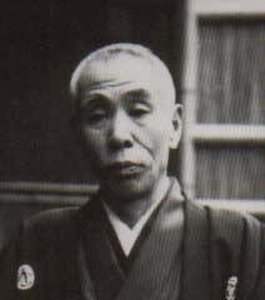
hashimoto kansetsu
1883 - 1945 , Japan
작가 정보 요약
- Artistic Movement Or Style: Nihonga painting
- Artists Or Movements Influenced By This Artist:
- Uemura Shōen
- Kazuo Shiraga
- Artists Who Influenced This Artist:
- Takeuchi Seihō
- Hashimoto Kaikan
- Date Of Birth: November 10, 1883
- Date Of Death: February 26, 1945
- Full Name: Hashimoto Kansetsu
- Nationality: Japanese
- Notable Artworks:
- 唐犬
- Monkeys
- Emperor Godaigo
- Place Of Birth: Kobe, Japan
관련 기사

Léonard Foujita: A Poetic Synthesis of Japanese Sensibility & European Modernism
Discover the captivating world of Léonard Foujita, a master bridging Japanese aesthetics & European Modernism. Explore his signature style, diverse works, and enduring legacy – essential reading for discerning art collectors.
Beyond the Great Wave: The High-Impact Visual Revolution of Japanese Landscape Art
Go beyond Hokusai's Great Wave. Explore the high-impact, graphic world of Japanese Ukiyo-e landscapes and urban prints. Discover how these bold, vibrant woodblock masterpieces continue to shape modern pop culture and contemporary design aesthetics.
The Eloquence of Arrangement: Compositional Strategies in Western Art from the Renaissance to Modernism
Explore the evolution of compositional strategies in Western art! Discover how masters like Raphael & Zurbaran used perspective, proportion, and dynamic arrangement to create timeless masterpieces. Enhance your art appreciation today!

가츠시카 호쿠사이 최고 걸작 25선: 우키요에의 정수를 만나다 | OriginalUniqueArt
가츠시카 호쿠사이의 최고 걸작 25선을 만나보세요. 우키요에, 대판화 기법과 후지산 풍경의 아름다움을 담은 명작들을 감상하고, OriginalUniqueArt에서 고품질 아트 프린트와 인테리어 액자를 찾아보세요. 지금 바로 컬렉션을 탐험하세요!

Timeless Elegance: Capturing the Spirit of Japanese Culture Through the Lens of Ukiyo-e Fine Art
Explore the profound beauty of Japanese Ukiyo-e art. Discover the legacy of Hokusai and the Utagawa school through an expert exploration of Edo-period aesthetics, seasonal motifs, and the enduring global influence of Japan's 'Floating World' on fine art history.