메뉴 펼치기
무료 아트 컨설팅
프린트 구매하기 프린트 구매하기이미지 구매하기 이미지 구매하기 공유하기공유하기
상세 정보상세 정보 즐겨찾기에 추가 즐겨찾기에 추가 다운로드다운로드 유사 작품유사 작품 X-레이X-레이 슬라이드 쇼슬라이드 쇼

Monkeys

  • 제작 연도1933
  • 크기 및 규격139.0 x 158.0 cm

Explore the stunning nihonga paintings of Hashimoto Kansetsu (1883-1945), a key figure in modern Japanese art. Inspired by Chinese landscapes & literature, his work bridges tradition and innovation. Visit the Hakusasonso museum to discover his legacy

수제 유화 복제품

원하는 크기와 액자로 주문 제작되는, 작가들이 직접 캔버스에 손으로 그린 유화 작품입니다.

Standard
custom
CM
INCH

작품의 원본 비율을 유지하는 미리 설정된 크기 중에서 선택하세요.

가로 너비
세로 길이

특정 프레임이나 공간에 맞도록 직접 크기를 입력할 수 있습니다. 선택하신 크기가 원본 이미지의 비율과 일치하지 않는 경우, 작품을 자르거나 추가적인 손으로 그린 요소를 사용하여 그림을 확장합니다. 제작 시작 전 승인을 위해 디지털 목업을 보내드립니다.
화면 미리 보기는 실제 자르기 또는 확장을 반영하지 않습니다. 최종 구성은 목업을 통해서만 정확하게 확인하실 수 있습니다.
맞춤 크기 제작도 가능하지만, 원본 비율을 유지하기 위해 사전 정의된 목록에서 크기를 선택하시는 것을 권장합니다.

변경 가능한 예시: 얼굴을 고객의 사진으로 교체, 반려동물 추가(예: 고양이를 강아지로 변경), 배경에 숨겨진 메시지 삽입, 배경 풍경 또는 요소 변경 등
주문 후 OriginalUniqueArt.com 팀에서 상세 안내를 위해 고객님께 이메일을 보내드리며, 미리보기 시안을 제공해 드립니다.

전 세계 배송()은 표준 5주 대신 3~4주 내에 완료됩니다. (18 7월). 품질에는 어떠한 타협도 하지 않습니다.

why_choose_icon
전 세계 무료 특급 배송
why_choose_icon
프리미엄 린넨 캔버스
why_choose_icon
전체 배송 보험 보장
why_choose_icon
관세 환불 보장
why_choose_icon
실제 색상 일치 보장
why_choose_icon
60일 이내 반품 정책 (제조 결함 시)
why_choose_icon
100% 환불 보장
why_choose_icon
다량 구매 할인 혜택

총 합계 금액

-

reproduction

Monkeys

재현 기법

복제본 크기

-

최종 결제 금액

-

작품 상세 설명

Two black monkeys, depicted in a realistic style, sit in a tree painted in light colors. The composition is a simple one, and the poses of the monkeys and the twisting branches of the tree generate a sense of space. The theme of monkeys in trees, as in this painting of two black monkeys, has a tradition that can be traced back to Chinese painting. Hashimoto Kansetsu was well versed in both classical Chinese literature and Asian painting, for he had been taught the Chinese classics by his father, a Confucian scholar of the Akashi fief, from his childhood and had studied painting under Takeuchi Seiho in Kyoto. He particularly excelled in painting animals, establishing a unique style by depicting Southern themes based on the Shijo school’s manner of sketching from life. Monkeys is a late masterpiece, which shows well the artist’s individuality. The face of the monkey in the foreground is positioned at the center of the picture, and the line from its left foot to its right hand forms a diagonal. The tree, meanwhile, is confined almost entirely to the bottom right of the picture. The monkey’s hand reaches into the air toward the upper left, as if trying to grasp something, and we realize how Hashimoto needed the full size of this picture to give meaning to this space. Through his skillful handling of a composition defined only by monkeys and tree, Hashimoto Kansetsu has achieved a spatial expression of great spiritual depth, which differs in dimension from that achieved by the Western system of perspective that was strongly influencing Japanese style painting at the time. (Writer : Masato Satsuma Source : Selected Masterpieces from The University Art Museum, Tokyo National University of Fine Arts and Music: Grand Opening Exhibition, The University Art Museum, Tokyo National University of Fine Arts and Music, 1999)

작가 약력

Hashimoto Kansetsu: A Life Dedicated to Nihonga

  • Born: November 10, 1883, Kobe, Japan
  • Died: February 26, 1945
  • Nationality: Japanese
  • Artistic Movement: Nihonga

Early Life and Training

  • Hashimoto Kansetsu was born into a family of artists; his father, Hashimoto Kaikan, was also a painter. This upbringing instilled in him a deep appreciation for art and Chinese culture.
  • He initially studied at Chikujokai, a private school founded by the renowned nihonga painter Takeuchi Seihō. However, he left due to differing artistic viewpoints.
  • His early training focused on mastering traditional Japanese painting techniques and absorbing influences from both Japanese and Chinese art traditions.

Artistic Style and Influences

  • Nihonga Specialization: Kansetsu dedicated his career to Nihonga, a style of Japanese painting that emerged during the Meiji period, emphasizing traditional Japanese aesthetics and techniques while incorporating elements of Western art.
  • Chinese Inspiration: A significant influence on Kansetsu's work was Chinese scenery and classical literature. He frequently visited China, drawing inspiration from its landscapes and literary heritage.
  • Themes & Subjects: His paintings often depicted scenes inspired by Chinese poetry and historical narratives, showcasing his erudition and artistic skill. Common subjects included figures, animals (particularly monkeys and dogs), and landscapes imbued with a sense of tranquility and elegance.
  • Style Characteristics: Kansetsu's style is characterized by meticulous detail, refined brushwork, and a harmonious use of color. He skillfully blended traditional Japanese techniques with subtle Western influences, creating a unique and recognizable aesthetic.

Major Works and Recognition

  • Notable Paintings: Some of his most celebrated works include "Tang Dogs" (唐犬), depictions of monkeys, and paintings inspired by historical figures like Emperor Godaigo.
  • Museum Collections: His artworks are featured in prominent museums such as the Osaka City Museum of Fine Arts and the Honolulu Museum of Art.
  • Awards & Honors: Kansetsu received numerous awards throughout his career, including first prize at the Bunten exhibitions in 1916 and 1917. He was also appointed an Imperial Household Artist, a prestigious honor recognizing his contributions to Japanese art.

Legacy and Historical Significance

  • Contribution to Nihonga: Hashimoto Kansetsu played a crucial role in the development and popularization of Nihonga painting. His work helped define the style's aesthetic principles and established him as one of its leading figures.
  • Hakusasonso Museum: His former residence, now known as the Hakusasonso (Hashimoto Kansetsu Memorial House), serves as a museum showcasing his extensive body of work and preserving his artistic legacy.
  • Influence on Subsequent Artists: Kansetsu's influence can be seen in the works of later Japanese artists who continued to explore the possibilities of Nihonga, solidifying his place as an important figure in modern Japanese art history.
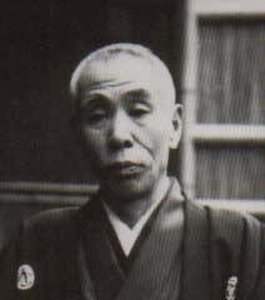
hashimoto kansetsu

hashimoto kansetsu

1883 - 1945 , Japan

주요 정보

  • Artistic Movement Or Style: Nihonga painting
  • Artists Or Movements Influenced By This Artist:
    • Uemura Shōen
    • Kazuo Shiraga
  • Artists Who Influenced This Artist:
    • Takeuchi Seihō
    • Hashimoto Kaikan
  • Date Of Birth: November 10, 1883
  • Date Of Death: February 26, 1945
  • Full Name: Hashimoto Kansetsu
  • Nationality: Japanese
  • Notable Artworks:
    • 唐犬
    • Monkeys
    • Emperor Godaigo
  • Place Of Birth: Kobe, Japan