

 실제 크기로 보기
 보내기
보내기 공유하기
공유하기
 상세 보기
상세 보기 가이드 보기

 이미지 다운로드
 유사 작품 더 보기
 X-레이
X-레이 슬라이드 쇼 보기
 통계 정보
통계 정보Three Graces


 상세 보기
상세 보기
핸드메이드 유화 복제화
작가가 직접 캔버스에 손으로 그린 유화 작품으로, 원하는 크기와 액자로 맞춤 제작해 드립니다. ( 프린트 판매로 전환 디지털 이미지 판매 채널로 전환)




































작품의 원본 비율을 그대로 유지하는 프리셋 사이즈 중에서 선택해 보세요.

액자나 벽면 크기에 맞춰 필요한 가로와 세로 길이를 입력해 주세요. 본 작품은 수작업으로 제작되므로, 요청하신 비율에 따라 작가가 그림의 가장자리를 조금 더 넓게 그리거나 일부를 조정하여 작업할 수 있습니다. 작업 시작 전, 최종 확인을 위해 디지털 목업 이미지를 보내드립니다. 이 페이지에 표시된 이미지는 실제 결과물과 다를 수 있으며, 오직 목업 이미지만이 정확한 결과물을 보여줍니다.
주문 완료 후 OriginalUniqueArt.com 팀에서 상세 안내를 위해 고객님께 이메일을 보내드리며, 미리보기 시안을 함께 제공해 드립니다.


 유리 옵션은 110cm 미만 크기에서만 선택 가능합니다.

Three Graces
재현 매체
복제본 규격
-


총 결제 금액
₩ 474598
작가 소개
Harry Phelan Gibb: An Earthy Visionary of the Early Modern Era
The art world often celebrates explosive innovation, radical departures, and instantly recognizable styles. Yet, amidst this whirlwind of change, there exist artists who quietly, persistently, developed a unique voice—a voice that resonates with quiet power and enduring beauty. Harry Phelan Gibb (1870-1948) was undoubtedly one such figure. Born in Alnwick, Northumberland, to an Irish mother, his journey from the rugged landscapes of northern England to the vibrant studios of Paris marked a pivotal moment in British art, establishing him as a significant, though often overlooked, contributor to the early 20th-century avant-garde.
Gibb’s artistic education was remarkably diverse. He began his studies at Newcastle and Edinburgh, absorbing influences from traditional academic training. However, it was his time in Antwerp and Munich that truly ignited his creative spirit, exposing him to burgeoning European movements like Impressionism and Post-Impressionism. It was in Paris, however, that he found his true artistic home—a city teeming with creativity and brimming with the revolutionary ideas shaping modern art. He immersed himself in the Parisian scene, studying under Jean-Paul Laurens, a renowned instructor at the École des Beaux-Arts, and forging connections with some of the era’s most influential artists, including Paul Cézanne, whose influence on Gibb's work is undeniable.
Cézanne’s impact on Gibb’s style is immediately apparent. Like his mentor, Gibb eschewed photographic realism in favor of a more subjective and expressive approach to representation. He employed flattened perspectives, simplified forms, and bold color palettes—techniques that prioritized the emotional resonance of a scene over its literal depiction. This “earthy” aesthetic, as critics often described it, drew heavily on the natural world, particularly the landscapes of Northumberland and the surrounding countryside. His paintings are imbued with a sense of quiet contemplation, capturing the essence of place rather than merely reproducing its appearance.
- Key Characteristics: Gibb’s work is characterized by a distinctive use of color—often muted earth tones punctuated by vibrant accents—a simplified approach to form, and an emphasis on atmospheric perspective.
- Subject Matter: Landscapes dominated his output, frequently depicting scenes from the English countryside, particularly the dramatic coastlines of Northumberland and Devon. He also painted portraits and still lifes, often imbued with a similar sense of quiet observation.
- Technique: Gibb’s brushwork is loose and expressive, conveying a sense of movement and spontaneity. He employed layering techniques to create depth and texture, further enhancing the atmospheric quality of his paintings.
The Parisian Circle and Recognition
Gibb's arrival in Paris coincided with a period of intense artistic ferment. He quickly integrated himself into the city’s vibrant art scene, associating closely with figures like Gertrude Stein—a prominent patron of the arts and a key influence on his career. Stein recognized Gibb’s unique talent and championed his work, providing him with opportunities to exhibit and develop his style. His association with Stein is particularly noteworthy, as she famously predicted that Gibb would one day achieve recognition alongside other leading modernists like Picasso and Cézanne—a prophecy that, while yet unfulfilled, speaks volumes about the potential of his art.
In 1913, Gibb’s work was included in the groundbreaking *Armory Show* in New York City—an exhibition that catapulted American modernism onto the international stage. This event provided him with a crucial platform for exposure and helped to establish his reputation among collectors and critics. Despite facing resistance from conservative elements within the art community, Gibb continued to exhibit his work throughout the 1920s and 30s, steadily building a loyal following.
A Troubled Legacy and Rediscovery
Despite his artistic merits, Gibb’s career was not without its challenges. In Dublin in 1914, a major exhibition of his work was abruptly shut down by Catholic priests who objected to the subject matter and style. This incident highlights the social and religious tensions that often shaped the reception of modern art at the time. Following this setback, Gibb experienced a period of hardship and obscurity, struggling to find support for his work.
However, in the 1930s, thanks largely to the efforts of Lucy Wertheim—a prominent dealer and collector—Gibb’s work was rediscovered and re-evaluated. Wertheim recognized Gibb's unique artistic vision and championed his art, organizing a series of exhibitions that brought him back into the public eye. Her support proved instrumental in reviving his career and ensuring that his legacy would endure.
Lasting Significance
Harry Phelan Gibb’s contribution to British modernism is often underestimated, yet his work deserves recognition for its quiet intensity, evocative landscapes, and subtle exploration of form and color. His influence can be seen in the works of later artists who embraced a similar earthy aesthetic—a testament to the enduring power of his vision. Today, his paintings are held by major museums and private collections around the world, offering viewers a glimpse into the mind of an artist who quietly shaped the course of 20th-century art.
His legacy is not one of flamboyant innovation but rather of persistent observation, quiet contemplation, and a profound connection to the natural world—qualities that continue to resonate with audiences today.

Harry Phelan Gibb
1870 - 1948
작가 정보 요약
- Artistic Movement Or Style: Cézanne-influenced
- Artists Or Movements Influenced By This Artist: ['Emily Carr']
- Artists Who Influenced This Artist: ['Paul Cézanne']
- Date Of Birth: 1870
- Date Of Death: 1948
- Full Name: Harry Phelan Gibb
- Nationality: British
- Notable Artworks:
- Dartmoor Farm
- Woods
- Somerset Headland
- Place Of Birth: Alnwick, Northumberland
관련 기사

기하학적 추상 미술을 정의한 명작 10가지 | OriginalUniqueArt.com
몬드리안, 말레비치 등 거장들의 기하학적 추상 미술 명작 10선을 만나보세요. 각 작품의 예술사적 의미와 색채, 구성을 탐구하고 OriginalUniqueArt.com에서 고품질 아트 프린트를 소장하세요. 지금 바로 온라인 컬렉션을 확인하세요!

추상표현주의를 정의한 10대 걸작: 예술과 인테리어의 새로운 영감
추상표현주의의 심장을 뛰게 한 10대 걸작을 만나보세요. 폴록, 로스코 등 거장의 작품 비하인드 스토리와 예술적 영감을 OriginalUniqueArt에서! 지금 바로 미술품 컬렉션을 탐험하고, 당신의 공간에 특별한 예술적 감성을 더하세요. OriginalUniqueArt.com
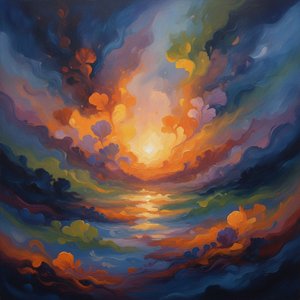
The Soul of Color: A Journey into the Emotional Resonance of Lyrical Abstraction
Embark on a cultural journey through Lyrical Abstraction. Explore how masters like Kandinsky used color and motion to translate emotion into visual poetry. Discover the profound beauty of abstract expressionism and learn to curate emotional resonance in your own art collection.

Kandinsky's Masterpieces: 25 Paintings That Define Abstract Art | OriginalUniqueArt
Journey through Wassily Kandinsky's 25 most iconic abstract paintings. Explore his revolutionary use of color, form & spiritual expressionism. Find museum-quality Kandinsky reproductions and elevate your home decor with OriginalUniqueArt.com. Discover all masterpieces on OriginalUniqueArt.com!

Slate Blue Masterpieces: 10 Iconic Paintings & Timeless Home Decor Ideas
Immerse yourself in the captivating world of slate blue! Explore 10 iconic paintings by Monet, Van Gogh & Renoir. Discover their stories, techniques & find museum-quality art reproductions for your home at .