

 미리보기
미리보기
 프린트 구매
 공유하기
공유하기 공유하기
공유하기
 상세 정보
상세 정보

 다운로드
다운로드
 유사 작품
유사 작품 X-레이
X-레이 슬라이드 쇼
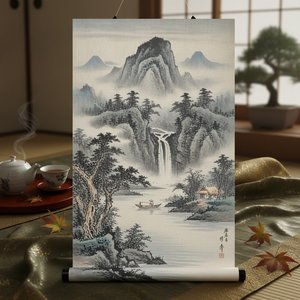
Landscape
 Shui-mo (Japanese Landscape)
 601
601 32.0cm x 50.0cm
 더 보기
더 보기




































작품의 원본 비율을 유지하는 미리 설정된 크기 중에서 선택하세요.

특정 프레임이나 공간에 맞도록 직접 크기를 입력할 수 있습니다. 선택하신 크기가 원본 이미지의 비율과 일치하지 않는 경우, 작품을 자르거나 추가적인 손으로 그린 요소를 사용하여 그림을 확장합니다. 제작 시작 전 승인을 위해 디지털 목업을 보내드립니다.
화면 미리 보기는 실제 자르기 또는 확장을 반영하지 않습니다. 최종 구성은 목업을 통해서만 정확하게 확인하실 수 있습니다.
맞춤 크기 제작도 가능하지만, 원본 비율을 유지하기 위해 사전 정의된 목록에서 크기를 선택하시는 것을 권장합니다.
주문 후 OriginalUniqueArt.com 팀에서 상세 안내를 위해 고객님께 이메일을 보내드리며, 미리보기 시안을 제공해 드립니다.


 유리 옵션은 110cm 미만 크기에서만 선택 가능합니다.

Landscape
재현 기법
복제본 크기
-


최종 결제 금액
$ 300
작가 약력
The Ink-Stained Legacy of Hara Naoharu
In the twilight of the Sengoku period and the dawn of the Momoyama era, a profound stillness emerged from the brushstrokes of Hara Naoharu. Born in 1547 in Saga, Japan, Naoharu was not merely a painter but a pioneer who redefined the boundaries of monochrome landscape painting. As the second son of Hara Naoe, the lord of Nogomi Castle, his upbringing was steeped in the refined atmosphere of nobility and the patronage of high culture. This prestigious lineage provided him with more than just social standing; it offered an intimate connection to the artistic currents that would eventually flow through his own legendary hand, shaping the very foundation of the Unkuta School.
The trajectory of Naoharu’s genius was irrevocably altered by his encounter with the teachings of Sesshu Sesshū, the titan of Japanese ink wash painting. Under Sesshu’s tutelage, Naoharu moved beyond mere imitation to grasp the spiritual essence of suiboku-ga. He learned that the true power of ink lies not in the density of the pigment, but in the subtle gradations of tone and the strategic use of empty space. This mastery of tonal variation allowed him to capture the ephemeral qualities of nature—the way mist clings to a mountain peak or how light dissolves into the shadows of a forest—creating works that felt less like static images and more like breathing, living landscapes.
The Essence of the Unkoku School
While his contemporaries in the Kanō school often sought grandeur through elaborate ornamentation and vibrant colors, Naoharu championed a different path: one of restraint, simplicity, and profound spiritual depth. Through the establishment of the Unkoku School, he introduced a stylistic philosophy that resonated with the Zen Buddhist sensibilities of the era. His approach favored the evocative over the explicit, inviting the viewer to participate in a meditative journey through his landscapes.
The technical brilliance of Naoharu’s work is most evident in his treatment of atmosphere and light. His paintings often feature:
- Mountainous Vistas: Majestic peaks that appear to emerge from a sea of clouds, rendered with precise yet fluid ink strokes.
- Seasonal Transitions: The delicate depiction of autumn foliage or the stark, quiet beauty of winter snowscapes, achieved through masterful control of water and ink.
- Atmospheric Depth: A sense of infinite distance created by layering light washes of grey, guiding the eye through layers of mist and shadow.
Historical Significance and Enduring Influence
The historical importance of Hara Naoharu extends far beyond his individual technical achievements. He acted as a bridge between the classical traditions of the Muromachi period and the evolving aesthetic demands of the Momoyama era. By prioritizing monochrome landscapes that emphasized spiritual contemplation, he provided a visual language for a society seeking stability and introspection amidst political transformation. His ability to utilize the medium of screens to present expansive, immersive worlds demonstrated a versatility that would inspire generations of Japanese painters.
Today, Naoharu is remembered as a master of suiboku-ga whose work remains a testament to the beauty of the understated. His legacy lives on in every brushstroke that seeks to capture the soul of the natural world through the humble medium of ink. Through his eyes, we continue to witness the serene majesty of the Japanese landscape, frozen in time yet eternally moving within the delicate dance of black and white.

hara naoharu
1547 - 1618 , Japan
주요 정보
- Artistic Movement Or Style: Suiboku-ga (Water-Ink Painting)
- Artists Or Movements Influenced By This Artist: kanō school
- Artists Who Influenced This Artist: sesshū
- Date Of Birth: 1547
- Full Name: Hara Naoharu
- Nationality: Japanese
- Notable Artworks: ['Landscape']
- Place Of Birth: Saga, Japan
관련 기사 더 보기

가츠시카 호쿠사이 최고 걸작 25선: 우키요에의 정수를 만나다 | OriginalUniqueArt
가츠시카 호쿠사이의 최고 걸작 25선을 만나보세요. 우키요에, 대판화 기법과 후지산 풍경의 아름다움을 담은 명작들을 감상하고, OriginalUniqueArt에서 고품질 아트 프린트와 인테리어 액자를 찾아보세요. 지금 바로 컬렉션을 탐험하세요!
Serenity on Canvas: A Guide to the Timeless Beauty of Japanese Landscape Painting
Discover the serene beauty of Japanese landscape painting. From Hokusai's iconic woodblock prints to meditative sumi-e ink washes, explore a visual journey through the 'floating world' and learn how to bring this timeless Zen aesthetic into your modern home decor.

낭만 풍경화의 황홀! 예술사에 빛난 10대 걸작 탐구 | 와후아트
낭만주의 시대, 예술혼을 불태운 10대 풍경화 걸작! 터너부터 프리드리히까지, 시대를 초월하는 아름다움을 와후아트에서 만나보세요. 고흐의 색채와 코로의 섬세함이 당신의 공간에 영감을 더합니다. 지금 바로 와후아트에서 명품 미술 작품을 감상하고 구매하세요!

Zen on Canvas: The Timeless Beauty and Spiritual Depth of Japanese Landscape Painting
Explore the profound serenity of Japanese landscape painting. From Hokusai's waves to Zen-inspired ink washes, discover the history, technique, and spiritual depth of Ukiyo-e masters in this expert art historical guide for collectors and enthusiasts.

Evocations of Place: A Historical Journey Through Landscape Art
Explore the rich history of landscape art with OriginalUniqueArt. Discover renowned artists, movements like Impressionism & Romanticism, and expert guidance for collecting timeless pieces. Find your perfect serene escape today!

