
 미리보기
미리보기
 프린트 구매
 공유하기
공유하기 공유하기
공유하기
 상세 정보
상세 정보

 다운로드
다운로드
 유사 작품
유사 작품 X-레이
X-레이 슬라이드 쇼
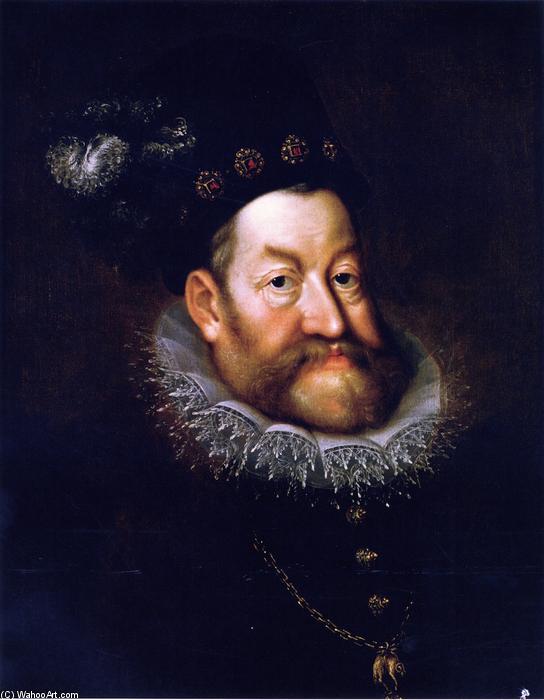
Emperor Rudolf II
 Oil On Canvas
- WallArt
- Northern Mannerism
 1607
1607 60.0 x 58.0 cm
 쿤스트히스토리스체 박물관
 더 보기
더 보기




P118B $10

P118H $10

P118W $10

P438Z $10

P508JH $12

P508YH $12

P805H $10

P805Z $10

P919BZ $10

P919G $10

P919XJ $10

P959ZH $10

P968JZ $12

W106C $8

W218G $10

W218JH $8

W218Y $10

W307PJ $10

W316G $10

W316PJ $8

W316Y $10

W398PJ $8

W4111J $10

W500HY $15

W500JH $15

W692G $12

W849H $8

W940BG $15

W953PJ $8




작품의 원본 비율을 유지하는 미리 설정된 크기 중에서 선택하세요.

특정 프레임이나 공간에 맞도록 직접 크기를 입력할 수 있습니다. 선택하신 크기가 원본 이미지의 비율과 일치하지 않는 경우, 작품을 자르거나 추가적인 손으로 그린 요소를 사용하여 그림을 확장합니다. 제작 시작 전 승인을 위해 디지털 목업을 보내드립니다.
화면 미리 보기는 실제 자르기 또는 확장을 반영하지 않습니다. 최종 구성은 목업을 통해서만 정확하게 확인하실 수 있습니다.
맞춤 크기 제작도 가능하지만, 원본 비율을 유지하기 위해 사전 정의된 목록에서 크기를 선택하시는 것을 권장합니다.
주문 후 OriginalUniqueArt.com 팀에서 상세 안내를 위해 고객님께 이메일을 보내드리며, 미리보기 시안을 제공해 드립니다.


 유리 옵션은 110cm 미만 크기에서만 선택 가능합니다.

Emperor Rudolf II
재현 기법
복제본 크기
-


최종 결제 금액
$ 300
작품 상세 설명
The Imperial Gaze: Hans von Aachen’s Portrait of Emperor Rudolf II
Hans von Aachen's “Portrait of Emperor Rudolf II,” painted in 1607, is more than just a likeness; it’s a carefully constructed tableau of power, intellect, and the burgeoning anxieties of a man grappling with his role as Holy Roman Emperor. This oil-on-canvas masterpiece, measuring 60 x 58 cm and currently residing within the Kunsthistorisches Museum in Vienna, offers a rare glimpse into the mind of Rudolf II, a ruler renowned for both his lavish patronage of the arts and his ultimately disastrous handling of European politics.
The painting immediately commands attention with its dramatic use of space and light. The Emperor is positioned centrally within a deep, almost impenetrable black background – a deliberate choice that serves to isolate him, elevating him to an almost mythical status. This darkness isn’t merely decorative; it speaks to the weight of his responsibilities, the isolation inherent in leadership, and perhaps even hints at the melancholy that would later define his reign. The focus is entirely on Rudolf's face – a study in controlled severity. His gaze, direct and unwavering, holds an air of contemplative power, suggesting both wisdom and a certain weariness.
A Mannerist Masterpiece: Style and Technique
Von Aachen’s style firmly places this portrait within the realm of Northern Mannerism, a movement characterized by its meticulous detail, elongated figures, and often unsettling psychological depth. He expertly employs the techniques of oil painting to achieve remarkable realism – the texture of the velvet robes, the intricate folds of the ruff collar, and the subtle nuances of Rudolf’s facial features are rendered with astonishing precision. Notice particularly the rendering of the beard and mustache; each strand appears meticulously painted, contributing to a sense of tangible presence.
The artist's use of glazing – layering thin washes of translucent paint over dried layers – creates an incredible luminosity, particularly in the highlights that catch the light on Rudolf’s face. This technique not only enhances the realism but also imbues the portrait with a subtle, almost ethereal quality. The composition itself is carefully balanced, utilizing strong lines to define the contours of the figure and creating a sense of solidity and structure. The restrained palette – dominated by deep reds, browns, and blacks – further emphasizes the formality and gravitas of the subject.
Rudolf II: A Complex Figure
Understanding the historical context surrounding Rudolf II is crucial to appreciating this portrait fully. He was a man of immense wealth and intellectual curiosity, a passionate collector of art, books, and scientific instruments – a veritable Renaissance man who ruled from Prague. However, his reign was marked by political instability, costly wars, and ultimately, the devastating Thirty Years’ War. His eccentricities and seclusion contributed to his inability to effectively govern, leading to widespread discontent and rebellion.
The portrait captures this duality – the outward appearance of imperial authority juxtaposed with an underlying sense of introspection and perhaps even unease. The elaborate ruff collar, a symbol of status and wealth, is offset by the Emperor’s somber expression. It's a visual representation of a man caught between his responsibilities as ruler and his own internal struggles. Interestingly, Rudolf II was particularly fond of eroticized mythological scenes in art, suggesting a hidden sensuality beneath his formal exterior – a theme subtly echoed in some of von Aachen’s other works.
Symbolism and Legacy
Beyond the immediate depiction of Emperor Rudolf II, the portrait is rich in symbolic meaning. The crown, prominently displayed, represents his authority and divine right to rule. The dark background can be interpreted as a metaphor for the challenges he faced – the shadows of war, political intrigue, and personal anxieties that surrounded him. Von Aachen’s meticulous attention to detail reflects the importance placed on appearances during the Renaissance, highlighting the need for rulers to project an image of strength and stability.
“Portrait of Emperor Rudolf II” remains a significant work of art, offering a compelling glimpse into the life and mind of one of Europe's most enigmatic figures. It’s a testament to Hans von Aachen’s skill as a painter and his ability to capture not just a likeness but also the essence of a complex historical personality. Reproductions of this captivating portrait continue to resonate with art lovers today, inviting us to contemplate the burdens of power and the enduring allure of the Renaissance ideal.
작가 약력
초기 생애와 예술적 훈련
한스 폰 아헨은 1552년 독일의 도시 쾰른에서 태어난 화가입니다. 그의 유년 시절에 대해 알려진 바는 많지 않으나, 지역 화가였던 레오나르두스 시벤호벤의 작업실에서 예술적 기틀을 닦은 것으로 전해집니다.예술적 양식과 영향
폰 아헨의 작품 세계는 매너리즘 양식의 정수를 보여주는 강렬한 색채와 극적인 구도가 특징입니다. 그의 화폭 속 인물들은 종종 길게 늘어진 형태를 띠며, 섬세한 디테일과 긴장감 넘치는 분위기를 자아내는데, 이는 엘 그레코(도메니코스 테오토코풀로스)의 화풍으로부터 깊은 영향을 받은 결과입니다. 그의 대표적인 걸작으로는 다음과 같은 작품들이 있습니다:- 십자가 처형 (1585): 대담한 색채와 극적인 명암 대비가 돋보이는 작품입니다.
- 최후의 심판 (1590): 단일 구도 안에서 수많은 인물을 조화롭게 배치하는 그의 탁월한 능력을 보여줍니다.
- 알 수 없는 여인의 초상 (1595): 인간 표정의 미묘한 변화를 포착해내는 그의 섬세한 기술이 빛나는 초상화입니다.
주요 소장처 및 전시
폰 아헨의 예술적 유산은 현재 여러 박물관에 소중히 보존되어 있습니다:- 독일 드레스덴, 게멜데갈레리 알테 마이스터: 15세기부터 18세기에 이르는 방대한 유럽 회화 컬렉션을 보유하고 있습니다.
- 독일 레겐스부르크, 오스트도이체 갈레리 박물관: 동독 예술의 독특한 컬렉션을 선보이는 곳입니다.
예술적 유산
1615년 세상을 떠난 한스 폰 아헨은 정교하면서도 감정이 풍부하게 담긴 회화들을 세상에 남겼습니다. 그의 작품은 오늘날에도 예술가들과 미술 애호가들에게 끊임없는 영감을 주며, 매너리즘 예술의 세계를 들여다볼 수 있는 특별한 창을 제공하고 있습니다. OriginalUniqueArt.com에서 한스 폰 아헨의 삶과 작품에 대해 더 자세히 알아보세요: [https://OriginalUniqueArt.com/@@/a@d3aquv](https://OriginalUniqueArt.com/@@/a@d3aquv) | 오스트도이체 갈레리 박물관(독일) 탐방
한스 폰 아헨
1552 - 1615 , 독일
주요 정보
- Artistic Movement Or Style: 매너리즘 회화
- Artists Or Movements Influenced By This Artist: ['르네상스 미술']
- Artists Who Influenced This Artist: ['엘 그레코']
- Date Of Birth: 1552년 독일 쾰른
- Date Of Death: 1615년
- Full Name: 한스 폰 아헨
- Nationality: 독일
- Notable Artworks:
- 십자가 처형
- 최후의 심판
- 알 수 없는 여인의 초상
- Place Of Birth: 쾰른
관련 기사 더 보기
Hans von Aachen: Mannerism's Courtly Visionary & Imperial Portraiture
Explore the captivating world of Hans von Aachen, a leading Mannerist painter renowned for his exquisite imperial portraits & mythological scenes. Discover his legacy and influence on 16th-century European art.
Eugen von Blaas: Capturing Alpine Life & Sentiment in 19th-Century Austrian Painting
Discover the captivating world of Eugen von Blaas! Explore his exquisite 19th-century paintings capturing Venetian life & Alpine beauty. Learn about his Academic Classicism style and find museum-quality reproductions at OriginalUniqueArt.

Anton von Werner: Imperial Painter, Historical Witness & Shifting German Identity
Explore the life & work of Anton von Werner, Imperial Germany's leading painter. Discover his dramatic depictions of war, unification, and court life – a fascinating insight into 19th-century German history & art.

Hans Holbein the Younger: A Renaissance Portraitist's Mastery of Realism & Psychological Insight
Explore the life & art of Hans Holbein the Younger, a Renaissance master renowned for his strikingly realistic portraits and psychological insight. Discover iconic works like 'The Ambassadors' and delve into his lasting legacy.

Friedrich von Amerling: Capturing Viennese Aristocracy & the Biedermeier Spirit
Explore the elegant portraits of Friedrich von Amerling, a master of Viennese Biedermeier art. Discover his life, style, and lasting influence on 19th-century Austrian painting. Find high-quality reproductions at OriginalUniqueArt.

