

 실제 크기로 보기
 보내기
보내기 공유하기
공유하기
 상세 보기
상세 보기 가이드 보기

 이미지 다운로드
 유사 작품 더 보기
 X-레이
X-레이 슬라이드 쇼 보기
 통계 정보
통계 정보Christ Carrying the Cross
 Tempera
- Early Netherlandish Painting
 1437
1437 148.0 x 140.0 cm
 슈타틸리체 무제엔
 상세 보기
상세 보기
지클레 / 아트 프린트
빠른 제작과 다양한 마감 옵션을 선택할 수 있는 박물관 수준의 지클레이 및 캔버스 프린트. ( 수작업 채색 복제본 주문하기 디지털 이미지 판매 채널로 전환)




P118B $10

P118H $10

P118W $10

P438Z $10

P508JH $12

P508YH $12

P805H $10

P805Z $10

P919BZ $10

P919G $10

P919XJ $10

P959ZH $10

P968JZ $12

W106C $8

W218G $10

W218JH $8

W218Y $10

W307PJ $10

W316G $10

W316PJ $8

W316Y $10

W398PJ $8

W4111J $10

W500HY $15

W500JH $15

W692G $12

W849H $8

W940BG $15

W953PJ $8




작품의 원본 비율을 그대로 유지하는 프리셋 사이즈 중에서 선택해 보세요.

특정 프레임이나 공간에 맞춰 직접 치수를 입력하실 수 있습니다. 선택하신 사이즈가 원본 이미지의 비율과 일치하지 않을 경우, 작품을 크롭(자르기)하거나 이미지를 대칭 또는 단색 채우기로 확장하여 제작합니다. 제작 시작 전, 최종 확인을 위해 디지털 목업이 전송됩니다.
화면상의 미리보기는 실제 크롭이나 확장 상태를 반영하지 않으므로, 최종 구도는 오직 목업을 통해서만 정확하게 확인하실 수 있습니다.
맞춤 사이즈 제작도 가능하지만, 원본 비율을 유지하기 위해서는 사전 정의된 목록에서 치수를 선택하시는 것을 권장합니다.


 유리 옵션은 110cm 미만 크기에서만 선택 가능합니다.

Christ Carrying the Cross
지클레 / 아트 프린트
복제본 규격
-


총 결제 금액
$ 80
A Window Into Bosch’s Pessimistic Vision: Christ Carrying the Cross
Hieronymus Bosch’s “Christ Carrying the Cross,” housed in Ghent Cathedral, stands as one of his most arresting depictions of Christian iconography—a painting that transcends mere representation to embody a profound meditation on suffering and mortality. Completed around 1510-1535, during Bosch's twilight years, this artwork exemplifies his signature style: grotesque realism infused with moral allegory.
- Style & Technique: Bosch’s meticulous attention to detail—evident in the expressive faces of the onlookers and the unsettling depiction of Christ’s burden—contrasts sharply with idealized Renaissance portraits. The painting utilizes tempera on fir wood, a technique favored by Bosch for its luminosity and durability. Layers of glaze contribute to an ethereal quality, highlighting textures and creating dramatic chiaroscuro effects.
- Historical Context: Painted amidst the burgeoning humanist movement in Europe, “Christ Carrying the Cross” reflects anxieties about faith and morality prevalent during the Reformation era. Bosch’s unflinching portrayal of human folly—represented by the judgmental stares and grotesque expressions of the crowd—served as a critique of societal hypocrisy.
- Symbolism: The painting is replete with symbolic imagery. Christ's agonizing posture symbolizes divine sacrifice, while the multitude of figures surrounding him represent humanity’s complicity in sin. The swords symbolize judgment and divine retribution, emphasizing the inescapable consequences of earthly transgressions. Notably, the shield at the bottom right corner bears a depiction of Saint Jerome—a patron saint of contemplation—suggesting an invitation to introspection.
- Emotional Impact: Bosch deliberately evokes feelings of unease and pity. The artist’s masterful manipulation of color and composition compels viewers to confront uncomfortable truths about human nature and the fragility of existence. “Christ Carrying the Cross” remains a powerful reminder of the enduring themes of suffering, redemption, and moral responsibility.
The Influence of Early Netherlandish Painting
Bosch’s artistic vision was undeniably shaped by the stylistic innovations emerging from Northern Europe during his time—particularly the influence of Early Netherlandish painting. Artists like Rogier van der Weyden and Gerard David pioneered a new approach to depicting religious subjects, prioritizing anatomical accuracy and psychological realism over stylized grandeur.
- Anatomical Precision: Bosch’s depiction of Christ's musculature—a deliberate departure from traditional representations—reflects the meticulous anatomical studies conducted by artists in Leuven and Bruges. These investigations into human anatomy informed a broader trend toward naturalistic observation within the visual arts.
- Psychological Depth: The expressive faces of the onlookers convey profound emotional states—ranging from disdain to compassion—demonstrating Bosch’s commitment to capturing the complexities of human psychology. This emphasis on psychological realism aligns seamlessly with the humanist preoccupation with understanding the inner workings of the human mind.
A Masterpiece of Moral Allegory
"Christ Carrying the Cross" is not merely a visual spectacle; it’s a profound meditation on moral principles—a testament to Bosch's unwavering belief in the importance of confronting uncomfortable truths about human behavior. The artist employs grotesque imagery and caricature to expose societal failings, prompting viewers to contemplate their own ethical responsibilities.
- Moral Critique: Bosch’s deliberate distortion of facial expressions serves as a scathing indictment of moral complacency—challenging audiences to examine their judgments and prejudices. This subversive impulse distinguishes Bosch from many of his contemporaries who sought to uphold idealized notions of virtue.
- Universal Themes: Despite its specific historical context, “Christ Carrying the Cross” speaks to universal themes of suffering, redemption, and divine justice—resonating across cultures and epochs. Bosch’s enduring legacy lies in his ability to provoke contemplation and inspire moral reflection.
Technical Considerations & Restoration Efforts
The painting underwent a significant restoration process in 1956–1957, undertaken by conservators at Ghent Cathedral. During this intervention, experts meticulously cleaned the surface of grime and varnish—revealing the original colors beneath—and stabilized weakened structural elements.
- Glaze Analysis: Detailed analysis of the painting’s glaze layers illuminated the techniques employed by Bosch’s workshop—demonstrating a mastery of layering pigments to achieve luminous effects. Researchers utilized X-ray fluorescence spectroscopy to determine the elemental composition of the glazes, providing invaluable insights into the artist's palette.
- Structural Stabilization: Conservators reinforced the wooden frame and addressed cracks in the panel—ensuring the painting’s preservation for future generations. These efforts underscored the importance of safeguarding cultural heritage and upholding ethical standards of conservation.
Contemporary Interpretations & Artistic Legacy
"Christ Carrying the Cross" continues to inspire artists and scholars alike—serving as a focal point for ongoing debates about Bosch’s artistic intentions and stylistic innovations. Its haunting imagery and moral profundity resonate powerfully with audiences today, prompting reflection on fundamental questions concerning faith, morality, and human existence.
- Influence on Surrealism: Bosch's unsettling vision exerted considerable influence on Surrealist artists—particularly André Breton—who embraced his penchant for dreamlike imagery and grotesque symbolism. Surrealists sought to liberate the subconscious mind from rational constraints—drawing inspiration from Bosch’s exploration of irrational forces.
- Enduring Relevance: Despite its fifteenth-century origins, “Christ Carrying the Cross” retains an enduring relevance—serving as a timeless reminder of humanity's capacity for both compassion and cruelty. Its artistic legacy persists in contemporary art exhibitions and scholarly publications—affirming Bosch’s position as one of the most influential figures in European Renaissance painting.
작가 소개
독일 사실주의의 선구자: 한스 멀트셔의 삶과 예술
1400년경 독일 바이에른의 작은 마을 라이헨호펜(현재의 로이트키히 임 알가우 일부)에서 태어난 한스 멀트셔는 독일 후기 고딕 양식에서 태동하는 르네상스로 이어지는 양식적 전환기를 연결한 핵심적인 인물로 등장했습니다. 그의 초기 생애에 대한 구체적인 기록은 드물지만, 멀트셔가 탐구적인 정신과 예술적 혁신을 알아보는 예리한 눈을 가졌음은 분명합니다. 그는 단순히 당시의 유행을 수용하는 데 그치지 않고, 자신의 독특한 미학적 비전을 형성할 새로운 영향력을 찾아 적극적으로 여정을 떠났습니다. 이러한 여행은 아마도 프랑스 북부와 네덜란드의 예술 중심지로 그를 이끌었을 것이며, 그곳에서 그는 초기 네덜란드 회화의 특징인 태동하는 사실주의와 세밀한 묘사를 접하게 되었습니다. 이는 훗날 그의 작품을 정의하는 결정적인 특징이 되었습니다. 1427년, 멀트per는 다뉴브강의 번영하는 상업 중심지였던 울름의 자유 시민으로 자리 잡으며 그의 경력에 중대한 전환점을 맞이했습니다. 그곳에서 그는 아델하이트 키친과 결혼하였고, 형 하인리히와 함께 혁신적인 조각과 회화로 빠르게 명성을 떨친 작업실을 설립했습니다.작업실과 예술적 발전
멀트셔의 작업실은 단순한 생산의 장소가 아니라 예술적 실험이 이루어지는 용광로였습니다. 한스는 때때로 16명에 달하는 조수들을 거느린 대규모 팀을 이끌며, 여행을 통해 흡수한 자연주의를 전통적인 고딕 양식에 점진적으로 불어넣는 환경을 조성했습니다. 이러한 융합은 그의 조각 작품에서 특히 두드러지는데, 후기 고딕 양식 특유의 길게 늘어진 인체와 정형화된 옷주름에서 벗어나 더욱 해부학적으로 정확한 표현과 깊은 감정적 울림을 향해 나아갔습니다. 비록 수량은 적지만 그의 회화 또한 이와 마찬가지로 매혹적인 변화를 보여줍니다. 1437년에 시작된 뷔르차흐 제단(Wurzacher Altar)은 이러한 진화하는 양식의 증거입니다. 원래 뷔르차흐의 성 야고보 교회에 봉헌될 예정이었던 이 야심 찬 프로젝트는 당시 비교적 새로운 매체였던 유화 기법에 대한 멀트셔의 숙련도와 질감, 빛, 그림자를 놀라운 정밀도로 구현해내는 능력을 잘 보여줍니다. 제단의 패널들은 그리스도와 성모 마리아의 생애를 묘록하며, 각 장면은 이전의 경건한 예술과는 차별화되는 만질 수 있을 듯한 생생한 인류애를 담고 있습니다. 주목할 점은 멀트셔가 종교적 주제에만 국한되지 않았다는 사실입니다. 그의 의뢰 작업에는 울름 시청 동쪽 창을 장식하는 황제 무리 조각과 같은 세속적인 작품도 포함되어 있었으며, 이는 그의 다재다능함과 폭넓은 고객층을 증명합니다.주요 작품과 영원한 유산
뷔르차흐 제단 외에도 여러 작품이 독일의 가장 중요한 예술가 중 한 명으로서 멀트셔의 명성을 공고히 했습니다. 현재 프랑크푸르트 리비히하우스에 소장된 성 마리아 막달레나 조각은 조각된 형태를 통해 깊은 감정을 전달하는 그의 능력을 보여주는 특히 가슴 뭉클한 사례입니다. 그녀의 슬픈 표정과 머리카락 및 의복의 섬세한 묘사는 인간 심리에 대한 깊은 이해를 드러냅니다. 또 다른 주목할 만한 작품은 울름 대성당에서 복제본을 찾아볼 수 있는 고난받는 예수(Man of Sorrows)로, 당대의 경건한 열망을 반영하며 그리스도의 고통을 강력하게 묘사합니다. 이러한 작품들은 울름 시청에 기여한 업적과 더 함께 조각과 회화 모두에서의 기술은 물론, 다양한 맥락과 후원자에 맞춰 자신의 양식을 적응시키는 능력을 보여줍니다. 그의 영향력은 생애를 넘어 멀리까지 확장되었습니다. 그가 설립한 작업실은 1467년 그의 사후에도 계속 번창하며 슈바벤 전역과 그 너머로 그의 예술적 원칙을 전파했습니다.시대 사이의 가교그는 예술적 교류의 힘과 관습에 도전하는 이들이 남기는 영원한 유산의 증거로 서 있습니다.
오늘날 멀트셔의 세계를 탐험하며
다행히도 한스 멀트셔의 예술성을 보여주는 수많은 사례가 남아 있어, 우리는 그의 천재성을 직접 감상할 수 있습니다. 드레스덴의 게멜데갈레리 알테 마이스터(Gemäldegalerie Alte Meister)는 15세기부터 18세기에 이르는 인상적인 유럽 회화 컬렉션을 보유하고 있어, 미술사 내에서 멀트셔가 차지하는 위치를 이해하기 위한 폭넓은 맥락을 제공합니다. 그의 작품에 대한 고품질 복제화를 탐구하고자 하는 분들을 위해, OriginalUniqueArt와 같은 플랫폼은 원작의 미묘한 차이를 포착하여 정교하게 손으로 그려진 복제본을 제공합니다. 나아가 위키피디아나 웹 갤러리 오브 아트(Web Gallery of Art)와 같은 자료들은 그의 예술적 양식에 대한 가치 있는 전기적 정보와 상세한 분석을 제공합니다. 이러한 자원들을 접함으로써 우리는 수 세기가 지난 지금까지도 우리에게 영감을 주고 감동을 주는 독일 사실주의의 진정한 선구자, 한스 멀트셔의 삶과 유산을 계속해서 기념할 수 있습니다.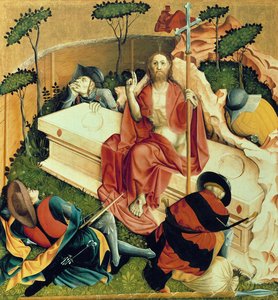
한스 멀트셔
1400 - 1467 , 독일
작가 정보 요약
- Artistic Movement Or Style: 후기 고딕/르네상스
- Artists Who Influenced This Artist:
- 북부 프랑스 양식
- 네덜란드 양식
- Date Of Birth: c. 1400
- Date Of Death: 1467
- Full Name: 한스 멀트셔
- Nationality: 독일
- Notable Artworks:
- 성 마리아 막달레나
- 고통받는 사람
- 황제 일행
- 부르차 제단
- Place Of Birth: 독일, 라이헨바흐
관련 기사

The Enduring Legacy of Fine Art Prints: Technique, History & Aesthetic Impact
Explore the rich history & techniques of fine art prints. Discover investment potential, assess authenticity, and learn how to preserve your collection with expert guidance. Trusted insights for discerning collectors.

Echoes of Time: Exploring the Enduring Appeal & Historical Context of Vintage Art Prints
Explore the captivating world of vintage art prints! Discover their history, collecting tips & enduring appeal. Expert insights on chromolithography and building a legacy collection with OriginalUniqueArt.
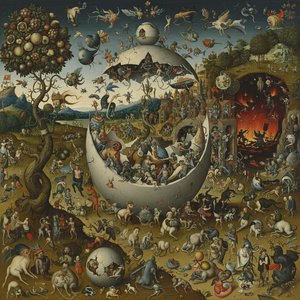
히에로니무스 보쉬 최고 걸작 25선: 신비로운 상상력의 세계 (Hieronymus Bosch Top 25 Masterpieces: A World of Mysterious Imagination)
히에로니무스 보쉬의 최고 걸작 25점을 만나보세요. 중세 미술 거장의 신비로운 상상력과 종교적 상징이 담긴 명작들을 감상하고, 오일 페인팅 기법과 독특한 화풍을 탐구하세요. OriginalUniqueArt.com에서 고품질 복제화와 인테리어 액자로 예술 작품을 소장하세요.

Giclée Prints: Archival Quality & Aesthetic Nuances for the Discerning Collector
Explore the world of giclée prints with OriginalUniqueArt. Learn about archival quality, aesthetic nuances & investment potential. Expert guidance for discerning art collectors seeking museum-quality reproductions and lasting value.
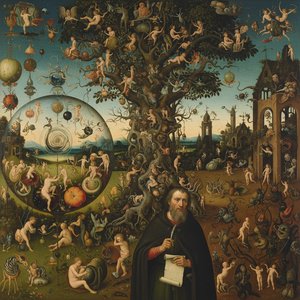
Hieronymus Bosch: Decoding the Visions of a Netherlandish Master
Explore the captivating world of Hieronymus Bosch! Delve into the symbolism, religious context, and artistic innovation of this Netherlandish master with OriginalUniqueArt's expert analysis. Discover his iconic paintings & lasting influence.