프린트 판매로 전환
 상세 보기
상세 보기







































 가로 또는 세로 중 어느 한 면이라도 105cm(약 41인치)를 초과하는 작품이나 복제화의 경우, 프레임은 분해된 키트 형태로 배송됩니다. 이는 안전한 배송을 보장하고 운송 중 발생할 수 있는 손상을 방지하기 위함입니다.


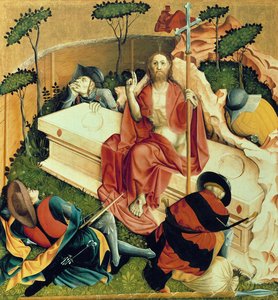
A Moment of Contemplation: Christ Before Pilate by Hans Multscher
The painting “Christ before Pilate” by Hans Multscher, created around 1437, is not merely a depiction of a biblical scene; it’s a profound meditation on power, judgment, and the weight of human responsibility. Multscher, a pivotal figure bridging the Gothic and burgeoning Renaissance in Germany, masterfully captures a tense, almost suffocating atmosphere within this single composition. He wasn't simply replicating a narrative from scripture; he was distilling its essence – the agonizing confrontation between divine authority and earthly doubt – into a powerfully resonant visual experience. The painting’s enduring appeal lies not just in its technical skill but in its ability to evoke a deep sense of empathy for both Christ and Pilate, forcing the viewer to confront uncomfortable questions about faith, guilt, and the nature of leadership.
A Masterclass in Early German Realism
Multscher’s style is immediately recognizable as a significant step forward in German art. Departing from the stylized forms of late Gothic painting, he embraces a newfound realism that anticipates the meticulous detail and naturalistic portrayal characteristic of the Northern Renaissance. Observe how he renders the textures of the clothing – the heavy wool of Christ's robe, the rough linen of Pilate’s tunic – with astonishing accuracy. The faces are equally compelling; Christ’s expression is one of quiet resignation mingled with a profound sorrow, while Pilate’s face reflects a mixture of weariness and reluctant apprehension. The artist skillfully employs chiaroscuro—the dramatic contrast between light and shadow—to heighten the emotional impact, drawing our attention to key figures and creating a sense of depth within the crowded scene. The use of oil paint allowed for layering and blending, contributing significantly to the richness and luminosity of the work.
Symbolism Woven into the Scene
Beyond its realistic depiction, “Christ before Pilate” is rich in symbolic detail. The gathering of onlookers – a diverse group representing Roman officials, Jewish elders, and common citizens – underscores the universal nature of Christ’s trial. The presence of the bowls and cups suggests the offer of compromise, the temptation to avert judgment through earthly means. Note the subtle gestures: Christ's outstretched hands, Pilate’s averted gaze, the nervous fidgeting of the guards—each detail contributes to the narrative tension. The inclusion of animals – a dog and a bird – adds an element of earthy realism and perhaps hints at the broader themes of judgment and innocence. The positioning of these figures is deliberate; they frame Christ within a microcosm of human society, highlighting the conflict between divine law and human desire.
Historical Context and Artistic Legacy
Created during a period of significant artistic transition in Germany, “Christ before Pilate” reflects Multscher’s engagement with both established Gothic traditions and emerging Renaissance influences. His work is closely linked to the Wurzach Altar, a monumental altarpiece that once dominated the church of Wurzach in southern Germany. The wings of this altar, now separated into panels, are particularly significant for their depiction of the Passion narrative. Multscher’s contribution—the central panel depicting Christ before Pilate—is considered one of the most compelling and emotionally resonant images from the entire altarpiece. His workshop produced numerous copies and variations on this theme, demonstrating its enduring appeal to artists and viewers alike. The painting's influence can be seen in subsequent depictions of the Passion narrative, solidifying Multscher’s place as a key figure in the development of German art.
Today, reproductions of “Christ before Pilate” continue to captivate audiences with its timeless message and masterful execution. It serves as a poignant reminder of the complexities of faith, justice, and the enduring power of human emotion—a testament to Hans Multscher’s artistic vision and his profound understanding of the human condition.
질의응답
한스 멀트셔의 "Christ before Pilate (detail)"은(는) 어떤 색채 조화를 보여주나요?
"Christ before Pilate (detail)"의 색채 조화는 Strong Color Unity로 기록되어 있습니다.
한스 멀트셔의 "Christ before Pilate (detail)"은(는) 세로형, 가로형 또는 정사각형 구도인가요?
"Christ before Pilate (detail)"의 형식은 Square입니다. 이는 작품 복제본을 배치할 공간을 계획할 때 유용합니다.
한스 멀트셔의 "Christ before Pilate (detail)"의 색채 구성은 어떻게 이루어져 있나요?
"Christ before Pilate (detail)"에서는 Statement 대비와 Strong Color Unity 조화가 어우러져 있습니다.
More about this painting
 실제 크기로 보기
 보내기
보내기 공유하기
공유하기
 상세 보기
상세 보기 가이드 보기

 이미지 다운로드
 유사 작품 더 보기
 X-레이
X-레이 슬라이드 쇼 보기
 Q&A
Q&A 통계 정보
통계 정보