- 홈

- 캔버스 프린트
- ham, kyung-ah
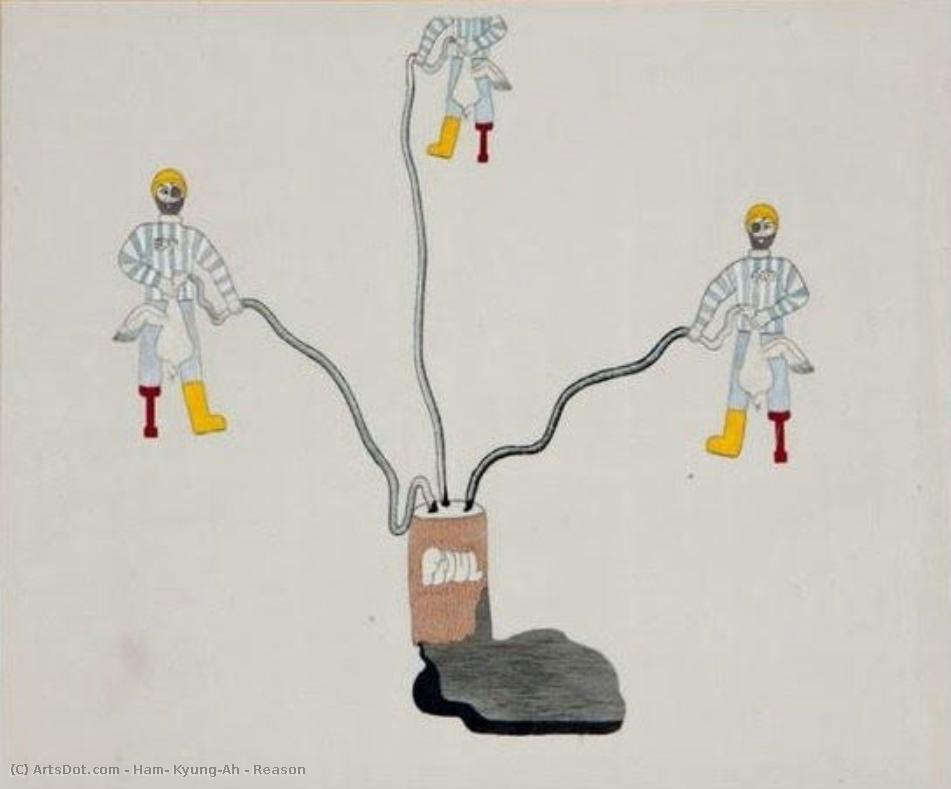
- Reason
 작품 구매하기
 공유하기
공유하기 공유하기
공유하기
 상세 정보
상세 정보

 다운로드
다운로드
 유사 작품
유사 작품 X-레이
X-레이 슬라이드 쇼
Reason
 55.0 x 39.0 cm
 더 보기
더 보기




































작품의 원본 비율을 유지하는 미리 설정된 크기 중에서 선택하세요.

특정 프레임이나 공간에 맞춰 직접 치수를 입력하실 수 있습니다. 선택하신 사이즈가 원본 이미지의 비율과 일치하지 않을 경우, 작품을 크롭(자르기)하거나 이미지를 대칭 또는 단색 채우기로 확장하여 제작합니다. 제작 시작 전, 최종 확인을 위해 디지털 목업이 전송됩니다.
화면상의 미리보기는 실제 크롭이나 확장 상태를 반영하지 않으므로, 최종 구도는 오직 목업을 통해서만 정확하게 확인하실 수 있습니다.
맞춤 사이즈 제작도 가능하지만, 원본 비율을 유지하기 위해서는 사전 정의된 목록에서 치수를 선택하시는 것을 권장합니다.


 유리 옵션은 110cm 미만 크기에서만 선택 가능합니다.

Reason
지클레 / 아트 프린트
복제본 크기
-


최종 결제 금액
-
작품 상세 설명
작가 약력
Ham Kyung-ah: Weaving the Threads of Division
Born in Seoul, South Korea in 1966, Ham Kyung-ah’s work stands as a profoundly moving meditation on the enduring complexities and unresolved tensions between North and South Korea. More than simply an artist, she is a weaver of narratives, meticulously reconstructing fragments of history – specifically, the legacy of North Korean textiles – to confront viewers with the stark realities of division and the ghosts of the past. Her practice isn’t about offering easy answers or simplistic political statements; instead, it invites deep reflection on identity, memory, and the enduring human cost of geopolitical conflict.
Kyung-ah Ham's artistic journey began with a deliberate choice: to engage directly with materials produced within North Korea. This wasn’t a romanticized gesture, but a strategic decision rooted in a desire to bypass Western interpretations and access a more immediate, visceral understanding of the Korean peninsula’s history. She meticulously sources these textiles – often found discarded or repurposed – from both sides of the border, recognizing that each piece carries its own story, imbued with the labor, skill, and cultural traditions of its maker. These aren't simply fabrics; they are tangible links to a shared heritage fractured by ideology and circumstance.
The Language of Embroidery: A Dialogue Across Borders
Ham’s signature technique – intricate embroidery – is central to her work’s power. It’s a deceptively simple medium, yet one that allows for an astonishing level of detail and symbolic layering. She doesn't merely replicate existing patterns; she actively transforms them, adding new elements, altering colors, and introducing subtle shifts in composition. This process mirrors the artist’s own engagement with history – not as a passive observer, but as an active participant in reinterpreting and reshaping the past.
Her most celebrated work, “My Uncle,” exemplifies this approach. This monumental piece, rendered entirely in hand-embroidered North Korean textiles, depicts a fragmented portrait of a deceased uncle, a former soldier in the Korean War. The image is deliberately incomplete, mirroring the unresolved nature of the conflict and the lingering sense of loss that permeates both societies. The use of folk art motifs – traditional Korean imagery of mountains, rivers, and flowers – juxtaposed with the stark reality of war creates a poignant tension, highlighting the enduring connection between personal memory and national trauma.
Exploring Narrative Through Textile
Beyond “My Uncle,” Ham’s oeuvre consistently explores themes of displacement, longing, and the search for identity. “Summer Landscape 01” offers a particularly compelling example. This vibrant, chaotic embroidery depicts scenes from North Korean life – farmers working in fields, children playing, families gathered around tables – rendered with an almost feverish energy. The work is deliberately fragmented and distorted, suggesting the instability of the regime and the anxieties of everyday existence. The use of bright colors against a dark background creates a sense of unease, mirroring the precariousness of life under authoritarian rule.
Ham’s process isn't simply about recreating images; it’s about translating narratives into visual form. She employs a meticulous layering technique, building up intricate patterns and textures through countless hours of painstaking work. Each stitch represents a deliberate choice, a conscious effort to imbue the fabric with meaning and emotion. The resulting works are not merely decorative objects but powerful statements about history, memory, and the human condition.
Legacy and Contemporary Significance
Ham Kyung-ah’s work has garnered significant critical acclaim for its unique approach to addressing complex geopolitical issues. Her use of North Korean textiles as a medium is particularly innovative, providing a direct link to the lived experiences of those affected by division. She challenges viewers to confront uncomfortable truths about the past and consider the ongoing consequences of conflict.
Her work speaks to a broader contemporary concern with memory, identity, and the role of art in shaping our understanding of history. By engaging directly with materials produced within North Korea, Ham has created a powerful dialogue across borders, inviting viewers to contemplate the enduring legacy of division and the possibility – however faint – of reconciliation. She is not simply an artist; she is a cultural ambassador, weaving together threads of memory and offering a poignant reflection on the human cost of political conflict.

ham, kyung-ah
1966 - , South Korea
주요 정보
- Artistic Movement Or Style: Contemporary multimedia
- Date Of Birth: 1966
- Full Name: Ham Kyung-ah
- Nationality: South Korean
- Notable Artworks:
- My Uncle
- Summer Landscape 01
- Place Of Birth: Seoul, South Korea

