
 실제 크기로 보기
 보내기
보내기 공유하기
공유하기
 상세 보기
상세 보기 가이드 보기

 이미지 다운로드
 유사 작품 더 보기
 X-레이
X-레이 슬라이드 쇼 보기
 통계 정보
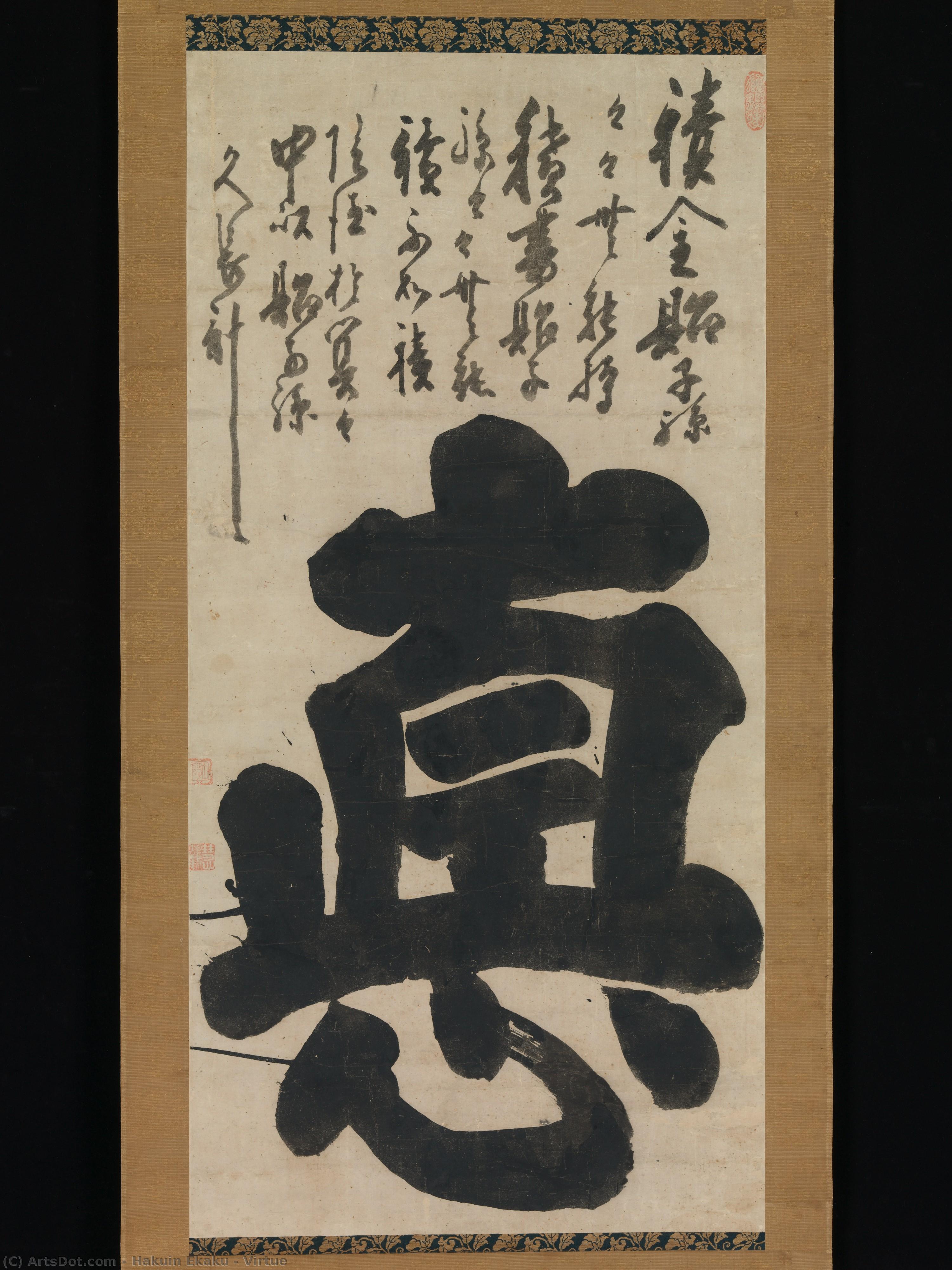
통계 정보Virtue
 701
701 106.0cm x 52.0cm
 상세 보기
상세 보기
핸드메이드 유화 복제화
작가가 직접 캔버스에 손으로 그린 유화 작품으로, 원하는 크기와 액자로 맞춤 제작해 드립니다. ( 프린트 판매로 전환 디지털 이미지 판매 채널로 전환)




































작품의 원본 비율을 그대로 유지하는 프리셋 사이즈 중에서 선택해 보세요.

특정 프레임이나 공간에 맞춰 원하는 크기를 직접 입력하실 수 있습니다. 선택하신 크기가 원본 이미지의 비율과 일치하지 않을 경우, 작품을 자르거나 추가적인 수작업 요소를 더해 그림을 확장하여 제작합니다. 제작 시작 전, 최종 확인을 위해 디지털 목업을 보내드립니다.
화면상의 미리 보기는 실제 크롭(자르기)이나 확장된 상태를 완벽히 반영하지 않을 수 있습니다. 최종 구도는 오직 목업을 통해서만 정확하게 확인하실 수 있습니다.
맞춤 크기 제작도 가능하지만, 원본의 비율을 그대로 유지하기 위해서는 미리 정의된 목록에서 크기를 선택하시는 것을 권장합니다.
주문 완료 후 OriginalUniqueArt.com 팀에서 상세 안내를 위해 고객님께 이메일을 보내드리며, 미리보기 시안을 함께 제공해 드립니다.


 유리 옵션은 110cm 미만 크기에서만 선택 가능합니다.

Virtue
재현 매체
복제본 규격
-


총 결제 금액
$ 300
작가 소개
The Revitalizer of Zen: A Life Dedicated to Awakening
Born in the serene landscape of Hara, nestled at the foot of Mount Fuji in 1686, Hakuin Ekaku emerged as a pivotal figure not only within Japanese Zen Buddhism but also as an influential artist whose work continues to resonate with profound spiritual depth. His early life was subtly shaped by his mother’s devout Nichiren Buddhist faith, a background that initially instilled in him a palpable fear of the hell realms – a fear that ultimately propelled him toward monastic life as a means of seeking liberation. This formative experience reveals a young mind grappling with existential questions, setting the stage for a lifelong dedication to unraveling the mysteries of existence through spiritual practice. He entered the Shōin-ji temple at fifteen, beginning his formal training, but found early Buddhist texts somewhat unsatisfying, perceiving them as simple narratives rather than pathways to genuine insight. This dissatisfaction fueled a relentless pursuit of deeper understanding, leading him on a journey of exploration and self-discovery that would ultimately redefine Zen practice in Japan.A Brush with Enlightenment: Artistic Expression and Spiritual Practice
Hakuin’s artistic endeavors were never separate from his spiritual quest; rather, they were inextricably intertwined. He didn't merely *create* art—he embodied Zen principles through brushstrokes, transforming calligraphy and painting into potent vehicles for conveying enlightenment. While not prolific in the conventional sense of producing a vast body of work, each piece he created – such as his iconic portrait of Bodhidharma or delicate calligraphic renderings – served as a direct expression of his meditative state and understanding of koan teachings. His style is characterized by bold simplicity, dynamic energy, and an intentional use of negative space—all hallmarks of Zen aesthetics. He masterfully employed sumi-e ink painting techniques, achieving remarkable depth and nuance with minimal strokes. The power of Hakuin’s art lies not in its representational accuracy but in its ability to evoke a sense of presence, stillness, and the inherent interconnectedness of all things. He believed that art could be a direct path to awakening, bypassing intellectual understanding and speaking directly to the intuitive mind.Koans and Revitalization: Reshaping Zen Training
Perhaps Hakuin’s most significant contribution was his revitalization of the Rinzai school of Zen Buddhism. During his time, the tradition had become somewhat stagnant, losing its original vigor and directness. He recognized this decline and dedicated himself to restoring the essence of Zen practice through a renewed emphasis on koan study. Koans—paradoxical riddles or stories designed to challenge logical thought and provoke intuitive insight—became central to his teaching method. He didn’t simply present koans as intellectual puzzles; he used them as tools to dismantle habitual patterns of thinking, forcing students to confront the limitations of their own minds and experience reality directly. He is credited with creating many of the koans still in use today, including the famous “sound of one hand clapping,” which continues to challenge Zen practitioners worldwide. His approach was rigorous yet compassionate, demanding unwavering commitment while simultaneously fostering a supportive environment for exploration and growth.Legacy and Influence: A Lasting Impact on Art and Spirituality
The impact of Hakuin Ekaku extends far beyond the confines of Japanese Zen Buddhism. His teachings and artistic vision profoundly influenced subsequent generations of artists and spiritual seekers, both in Japan and abroad. He inspired a lineage of Zen masters who carried forward his legacy of rigorous practice and compassionate wisdom. Furthermore, his art played a crucial role in shaping the aesthetic sensibilities of later Japanese painting styles. The principles of simplicity, spontaneity, and direct expression that characterize Hakuin’s work resonated with artists across various disciplines. His influence can also be seen in the broader context of Japonisme, the late 19th-century Western fascination with Japanese art and culture, which profoundly impacted Impressionist painters like Degas, Monet, and Manet. They were captivated by the unique aesthetic qualities of Japanese prints and paintings, incorporating elements of their style into their own work. Hakuin’s legacy serves as a testament to the enduring power of Zen Buddhism and the transformative potential of art—a reminder that true awakening is not merely an intellectual pursuit but a lived experience that permeates every aspect of our being.
Hakuin Ekaku
1686 - 1769 , Japan
작가 정보 요약
- Artistic Movement Or Style: Zen Buddhism art
- Artists Or Movements Influenced By This Artist:
- Ukiyo-e
- Sōsaku-hanga
- Date Of Birth: January 19, 1686
- Date Of Death: 1769
- Full Name: Hakuin Ekaku
- Nationality: Japanese
- Notable Artworks:
- Portrait of Bodhidharma
- Calligraphy of the Character
- Place Of Birth: Hara, Japan