

 실제 크기로 보기
 보내기
보내기 공유하기
공유하기
 상세 보기
상세 보기 가이드 보기

 이미지 다운로드
 유사 작품 더 보기
 X-레이
X-레이 슬라이드 쇼 보기
 통계 정보
통계 정보Veslez


 상세 보기
상세 보기
지클레 / 아트 프린트
빠른 제작과 다양한 마감 옵션을 선택할 수 있는 박물관 수준의 지클레이 및 캔버스 프린트. ( 수작업 채색 복제본 주문하기 디지털 이미지 판매 채널로 전환)




































작품의 원본 비율을 그대로 유지하는 프리셋 사이즈 중에서 선택해 보세요.

액자나 벽면 크기에 맞춰 필요한 가로와 세로 길이를 입력해 주세요. 프린트는 원본 이미지보다 크게 제작할 수 없으며 오직 자르는 것만 가능하므로, 비율이 다른 사이즈를 선택할 경우 이미지의 일부가 잘려 나갈 수 있습니다. 인쇄 작업에 들어가기 전, 최종 확인을 위해 디지털 목업을 보내드립니다. 이 페이지에 표시된 이미지는 실제 잘리는 영역을 나타내지 않으며, 오직 목업을 통해서만 정확한 확인이 가능합니다.


 유리 옵션은 110cm 미만 크기에서만 선택 가능합니다.

Veslez
지클레 / 아트 프린트
복제본 규격
-


총 결제 금액
₩ 108564
A Glimpse of Rural Tranquility: "Veslez" by Gustave Loiseau
This charming painting, titled "Veslez," offers a serene glimpse into early 20th-century French countryside life. Painted in 1906, the artwork depicts a picturesque white house with a distinctive red roof nestled amongst lush trees and verdant grass. Two figures are subtly integrated into the scene – one positioned to the left and another near the center – adding a touch of human presence without disrupting the overall sense of peaceful solitude. The composition is carefully balanced, drawing the viewer's eye towards the central focal point: the inviting home, radiating warmth and domesticity.Post-Impressionist Style & Technique
"Veslez" exemplifies Gustave Loiseau’s signature Post-Impressionist style. While initially experimenting with Pointillism, Loiseau developed a unique approach characterized by his distinctive "cross-hatching" technique. This involved layering short, intersecting strokes of color to create texture and vibrancy. Observe how the artist uses this method to render the foliage, giving it a lively, almost shimmering quality. The application of paint isn't smooth; instead, the visible brushstrokes contribute to the painting’s dynamic energy and capture the fleeting effects of light on the landscape. This technique moves beyond mere representation, imbuing the scene with an emotional resonance that is characteristic of Post-Impressionism.Historical Context & Location
The title "Veslez" likely refers to Vesuzé, a commune in Essonne, just south of Paris. Loiseau frequently painted scenes from this region and others near Paris, capturing the changing landscapes and rural life that were increasingly valued as escapes from the rapidly industrializing urban centers. The painting reflects a growing appreciation for the beauty of the French countryside during the Belle Époque (roughly 1871-1914), a period marked by optimism, artistic innovation, and a renewed interest in nature. The depiction of a comfortable home suggests an idealized vision of rural living – one that resonated with many at the time.Emotional Impact & Symbolism
Beyond its aesthetic appeal, "Veslez" evokes a sense of tranquility and nostalgia. The bright colors—the white house against the red roof, contrasted by the greens of the surrounding landscape—create a visually pleasing harmony that is inherently calming. The presence of the figures suggests a simple, contented life lived in harmony with nature. While subtle, the painting hints at themes of home, family, and the enduring beauty of the French countryside – values that continue to resonate today. It’s an invitation to pause, reflect, and appreciate the quiet joys of everyday existence.Why Choose a Reproduction?
A hand-painted reproduction of "Veslez" offers a unique opportunity to bring this captivating scene into your own space. Whether you're an art enthusiast, a collector seeking to expand their repertoire, or an interior designer looking for a touch of French charm, our reproductions capture the essence and beauty of Loiseau’s original work with remarkable fidelity. Experience the emotional impact and visual delight of "Veslez" in your home – a timeless piece that will inspire and uplift for years to come.질의응답
구스타브 로이조의 "Veslez"의 방문객들은 어디에서 오나요?
"Veslez"에 대한 통계 페이지가 존재합니다. 이 페이지에는 해당 작품과 작가의 다른 작품들에 대한 월별 방문자 수가 국가 및 언어별로 상세히 표시됩니다.
구스타브 로이조의 "Veslez"에는 어떤 소재가 등장하나요?
구스타브 로이조의 "Veslez"에 묘사된 주제: landscape, countryside, house, figures, trees, rural, parisian, daytime.
"Veslez"의 색상들은 빛을 어느 정도나 반사하는 것처럼 보이나요?
구스타브 로이조의 "Veslez"의 휘도는 Gentle Luminance입니다. 휘도는 색상이 빛을 얼마나 반사하는지를 나타냅니다.
작가 소개
A Parisian Vision: The Life and Art of Gustave Loiseau
Gustave Loiseau, a name perhaps less immediately recognized than some of his Post-Impressionist contemporaries, nevertheless occupies a significant place in the story of French painting at the turn of the 20th century. Born in Paris on October 3rd, 1865, and passing away there on October 10th, 1935, Loiseau’s life was deeply intertwined with the evolving artistic landscape of his city and the broader currents of modernism. His journey began not within the hallowed halls of an art academy—though he briefly attended the École des arts décoratifs—but amidst the practical world of his parents' butcher shop. This early exposure to everyday Parisian life, coupled with a subsequent apprenticeship with a family friend who was a decorator, would profoundly shape his artistic sensibilities. It instilled in him a keen observation of the city’s rhythms and textures, a fascination that would become central to his oeuvre. A modest inheritance from his grandmother proved pivotal, allowing Loiseau to dedicate himself fully to painting in 1887, though his formal training was cut short by a disagreement with a teacher—a testament to his independent spirit.Early Life and Influences
Gustave Loiseau’s formative years were spent in Pontoise, France, the city where his parents resided. From a young age, he demonstrated an aptitude for drawing and painting, nurtured initially by informal instruction and later solidified through brief studies at the École des arts décoratifs. However, it was not solely academic training that molded his artistic vision; rather, Loiseau’s upbringing amidst the bustling streets of Paris—a city undergoing dramatic transformations during the Belle Époque—provided him with invaluable experience in capturing urban life. He absorbed the energy and dynamism of the era, mirroring the stylistic innovations of Impressionism and Post-Impressionism. Artists like Claude Monet and Camille Pissarro served as crucial models for Loiseau’s early explorations of color and light, shaping his initial approach to landscape painting. Furthermore, he was influenced by Japanese prints—particularly those depicting serene landscapes and stylized flora—which introduced him to new compositional strategies and aesthetic ideals. These influences combined to create a foundation upon which Loiseau would build his distinctive artistic style.The Breakthrough: Pont-Aven and the Dawn of ‘En Treillis’
A pivotal moment in Loiseau’s artistic development arrived in 1890 when he embarked on his first pilgrimage to Pont-Aven, Brittany—a region already recognized as a vibrant center for Impressionist experimentation. This artist colony attracted painters seeking alternatives to academic conventions and eager to embrace the expressive potential of landscape. Among those who gathered at Pont-Aven were Paul Gauguin and Émile Bernard, whose bold stylistic choices challenged established artistic norms. Loiseau’s encounter with these artists sparked a profound shift in his artistic sensibilities. He abandoned Pointillism—the meticulous technique championed by Georges Seurat—recognizing its limitations in conveying the subtleties of atmospheric perception. Instead, he began developing *en treillis*, or cross-hatching—a revolutionary technique that would become synonymous with his oeuvre. Unlike the broken brushstrokes of Impressionism or the systematic dots of Pointillism, Loiseau employed a network of fine, interwoven lines to build up form and capture the nuances of light and atmosphere. This created a distinctive textural quality in his paintings, almost a shimmering effect that set him apart. It was a technique born not from theory but from an intuitive understanding of how to translate his perceptions onto canvas.Signature Style: Landscape Painting Revisited
Loiseau’s *en treillis* technique—characterized by its delicate cross-hatched lines—became the hallmark of his artistic style and distinguished him from many of his contemporaries. He meticulously recreated landscapes, capturing not merely their visual appearance but also their emotional resonance. His paintings are imbued with a quiet poetry, reflecting the contemplative spirit of Impressionism while simultaneously asserting Loiseau’s own artistic vision. Recurring motifs included orchards, gardens, and fields—subjects that he revisited repeatedly throughout his career, adapting his technique to convey subtle variations in light and color. These landscapes were not idealized representations but honest depictions of the natural world—infused with a palpable sense of atmosphere and imbued with an awareness of the passage of time. Loiseau’s meticulous observation and masterful execution elevated landscape painting to new heights of expressive power.Recognition and Legacy
Throughout his prolific artistic career, Gustave Loiseau achieved considerable acclaim within the Parisian art world. He exhibited regularly at prestigious venues such as the Salon des Indépendants and the Salon de la Société Nationale—garnering recognition from both critics and collectors alike. Notably, he benefited from the patronage of Paul Durand-Ruel—a prominent art dealer who championed many of the leading Impressionist and Post-Impressionist artists—who recognized Loiseau’s talent and supported his artistic endeavors. While Loiseau never attained the widespread fame enjoyed by figures like Monet or Cézanne, his paintings gained prominence in museum collections across France, cementing his place as a significant contributor to the artistic heritage of the Belle Époque. Today, Gustave Loiseau is celebrated for his innovative technique, his evocative landscapes, and his unwavering commitment to capturing the beauty of the natural world—a testament to the enduring power of individual artistic vision.- Discover more about Gustave Loiseau’s work: Visit OriginalUniqueArt.com/@@/gustave-loiseau
- Explore related artists: Learn about Evert Pieters at OriginalUniqueArt.com/@/evert-pieters
- Delve into Japanese art: See Ito Jakuchu’s bean vine painting at OriginalUniqueArt.com/@@/d2vr7s
- Learn more about the Beaverbrook Art Gallery: OriginalUniqueArt.com/@/a@d3c29v
- Read his Wikipedia entry: https://en.wikipedia.org/wiki/Gustave_Loiseau

구스타브 로이조
1865 - 1935 , 프랑스
작가 정보 요약
- Artistic Movement Or Style: 후기 인상주의
- Artists Who Influenced This Artist:
- 폴 고갱
- 에밀 베르나르
- 페르난 프랑퀴앵
- Date Of Birth: 1865년 10월 3일
- Date Of Death: 1935년 10월 10일
- Full Name: Gustave Loiseau
- Nationality: 프랑스인
- Notable Artworks:
- 루 드 클랭코르크 거리
- 아베뉴 드 피에드라
- 흐린 날씨...
- 에트레타
- 들판과 언덕
- Place Of Birth: 파리 프랑스
관련 기사
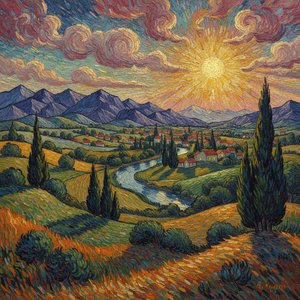
Beyond Impressionism: The Emotional Depth and Vibrant Evolution of Post-Impressionist Landscapes
Explore the profound evolution of Post-Impressionist landscapes. From Van Gogh's emotional brushwork to Cézanne's structural mastery, discover how these visionaries redefined art history through color and form in this expert guide for fine art enthusiasts.

폴 세잔 명작 25선: 시대를 초월하는 예술과 공간의 미학 | OriginalUniqueArt
폴 세잔의 시대를 초월하는 명작 25점을 만나보세요. 인상주의를 넘어 후기 인상주의를 개척한 화가의 예술 세계와 정물화, 풍경화 속 숨겨진 이야기를 OriginalUniqueArt에서 감상하세요. 고품질 아트 프린트와 캔버스 액자로 공간에 예술을 더해보세요! 지금 바로 컬렉션을 탐험하세요.
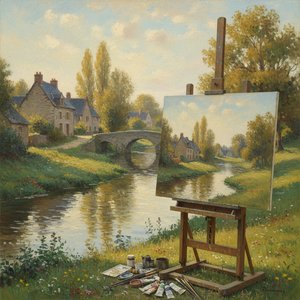
Gustave Loiseau: Capturing the Ephemeral Light of French Landscapes
Explore the captivating landscapes of Gustave Loiseau, a key Post-Impressionist painter. Discover his unique 'en treillis' technique and artistic legacy with our comprehensive guide.

존 컨스터블 대표작 25선: 영국 풍경화의 거장, 자연과 감성을 담은 명화 컬렉션 | OriginalUniqueArt
존 컨스터블 대표작 25선을 만나보세요. 영국 풍경화 거장의 자연주의 회화, 데담 밸리의 아름다움과 헤이 웨인의 정취를 담은 명화를 감상하세요. OriginalUniqueArt에서 고품질 예술 작품 복제본을 소장하고 특별한 인테리어를 완성해보세요. 지금 바로 컬렉션을 탐험하세요!

구스타프 클림트 명작 25선: 황금빛 예술의 정수, 당신의 공간에 영감을 불어넣다
구스타프 클림트의 황홀한 명작 25선을 만나보세요. '키스'부터 '주디트'까지, 빈 분리주의를 대표하는 예술가의 삶과 작품 세계를 탐험합니다. 오스트리아 화가 클림트의 걸작으로 공간에 특별한 감성을 더하세요. OriginalUniqueArt.com에서 고품질 유화 복제를 만나보세요.