미리보기
미리보기
 공유하기
공유하기 공유하기
공유하기
 상세 정보
상세 정보

 다운로드
다운로드
 유사 작품
유사 작품 X-레이
X-레이 슬라이드 쇼
The Wheat Sifters
 캔버스에 유채
- 월아트
- Contemporary Realism
 1855
1855- 19세기
 131.0 x 167.0 cm
 더 보기
더 보기
지클레 / 아트 프린트
빠른 제작과 다양한 마감 옵션을 제공하는 박물관 품질의 지클레이 또는 캔버스 프린트. ( 손으로 그린 그림 구매 이미지 구매)




P118B $10

P118H $10

P118W $10

P438Z $10

P508JH $12

P508YH $12

P805H $10

P805Z $10

P919BZ $10

P919G $10

P919XJ $10

P959ZH $10

P968JZ $12

W106C $8

W218G $10

W218JH $8

W218Y $10

W307PJ $10

W316G $10

W316PJ $8

W316Y $10

W398PJ $8

W4111J $10

W500HY $15

W500JH $15

W692G $12

W849H $8

W940BG $15

W953PJ $8




작품의 원본 비율을 유지하는 미리 설정된 크기 중에서 선택하세요.

특정 프레임이나 공간에 맞춰 직접 치수를 입력하실 수 있습니다. 선택하신 사이즈가 원본 이미지의 비율과 일치하지 않을 경우, 작품을 크롭(자르기)하거나 이미지를 대칭 또는 단색 채우기로 확장하여 제작합니다. 제작 시작 전, 최종 확인을 위해 디지털 목업이 전송됩니다.
화면상의 미리보기는 실제 크롭이나 확장 상태를 반영하지 않으므로, 최종 구도는 오직 목업을 통해서만 정확하게 확인하실 수 있습니다.
맞춤 사이즈 제작도 가능하지만, 원본 비율을 유지하기 위해서는 사전 정의된 목록에서 치수를 선택하시는 것을 권장합니다.


 유리 옵션은 110cm 미만 크기에서만 선택 가능합니다.

The Wheat Sifters
지클레 / 아트 프린트
복제본 크기
-


최종 결제 금액
$ 80
작품 상세 설명
The Wheat Sifters: A Cornerstone of Realist Art
Gustave Courbet’s *The Wheat Sifters* stands as an undeniable emblem of Realism—a movement that vehemently rejected Romantic idealism and championed unflinching observation of the natural world and human experience. Painted in 1855, this monumental oil on canvas (131 x 167 cm), housed at the Musée des Beaux-Arts de Nantes, transcends mere depiction; it’s a profound statement about labor, dignity, and the beauty inherent in commonplace life.Composition and Narrative Detail
The painting centers around a woman—likely Courbet's sister Zoé—dressed in a striking crimson gown who dominates the visual field. Her posture is deliberately confrontational: she holds aloft a large bowl with both hands, poised as if preparing to serve or distribute grain. This assertive stance contrasts sharply with the serene stillness of her companion seated beside her on a chair and the boy observing intently at his feet. Two baskets flank the woman, anchoring her within a rustic interior—a deliberate rejection of idealized landscapes favored by Romantic artists. The dining table in the background subtly underscores the communal aspect of rural life, hinting at a moment of shared sustenance and connection. Courbet’s meticulous attention to detail—the texture of the clothing, the weight of the bowl, the subtle variations in light—creates an immersive experience for the viewer, inviting them into this authentic snapshot of daily existence.Technique and Artistic Significance
Courbet's masterful technique exemplifies the core tenets of Realism. Thick brushstrokes dominate the canvas, conveying a palpable sense of physicality and immediacy. Light and shadow play crucial roles in sculpting form and establishing mood—the bowl’s luminescence illuminates Zoé’s dress, emphasizing her strength and resilience. This deliberate disregard for academic conventions – favoring expressive gesture over polished finish – was revolutionary at the time. Courbet deliberately eschewed embellishment, prioritizing truthful representation above aesthetic considerations. He sought to portray the world as it truly is, confronting viewers with the realities of rural labor and challenging prevailing artistic sensibilities. The painting’s influence extended far beyond its immediate context, inspiring subsequent artists to embrace similar approaches to subject matter and style.Historical Context: Challenging Romantic Ideals
*The Wheat Sifters* emerged during a period of significant social upheaval in France—the aftermath of the Revolution and the burgeoning Industrial Age. Courbet’s Realism directly confronted the Romantic preoccupation with emotion and imagination, advocating instead for an unflinching gaze upon the realities of working-class life. His earlier masterpiece *The Stone Breakers*, similarly criticized for its depiction of laborers, solidified his reputation as a champion of social realism and provoked considerable controversy within Parisian artistic circles. Yet, this very criticism underscored Courbet’s profound impact on art history—he irrevocably shifted the focus from aristocratic grandeur to the dignity of ordinary individuals.Symbolism and Emotional Resonance
Beyond its meticulous depiction of labor, *The Wheat Sifters* carries symbolic weight. The woman's posture embodies perseverance and determination—a visual assertion of female strength amidst a backdrop of rural simplicity. The bowl represents nourishment and sustenance, highlighting the importance of agriculture in sustaining society. Courbet’s deliberate choice to portray Zoé from the back emphasizes her presence as an active participant in daily life, rather than merely an object of admiration. Ultimately, *The Wheat Sifters* evokes a powerful emotional response—a feeling of connection to the past and appreciation for the beauty found in honest labor and authentic human experience. It remains a testament to Courbet’s unwavering commitment to portraying the world truthfully and powerfully on canvas.작가 약력
생애와 예술 세계: 구스타브 쿠르베
1819년 프랑스 오르낭에서 태어난 장 데지레 구스타브 쿠르베는 19세기 미술계에 혁명적인 변화를 가져온 인물입니다. 부유한 농부의 아들로 태어나 풍요로운 환경 속에서 예술적 재능을 키워나갔지만, 그는 전통적인 회화 양식과 사회적 관습에 끊임없이 도전하며 자신만의 독특한 예술 세계를 구축했습니다. 쿠르베는 미술 교육을 받으며 기존의 화가들에게 영향을 받았지만, 낭만주의와 역사화 중심의 미술계에서 벗어나 현실 그 자체를 충실히 반영하는 ‘사실주의’라는 새로운 예술 사조를 개척했습니다. 그의 작품들은 당시 사회의 모습을 가감 없이 드러내며 큰 논쟁을 불러일으켰고, 이는 현대 미술의 흐름에 지대한 영향을 미쳤습니다.사실주의 선언: 기존 관습과의 단절
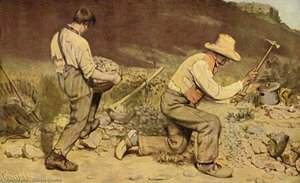
쿠르베는 이상화된 표현이나 신화적 주제 대신 평범한 사람들의 일상과 노동 현장을 화폭에 담았습니다. 그의 초기 작품들은 풍경화와 초상화를 통해 자신의 예술적 재능을 드러냈지만, 점차 노동 계급의 삶을 사실적으로 묘사하는 데 집중했습니다. 특히 <돌 깨는 사람들>(1849)은 당시 미술계에 큰 충격을 안겨주었습니다. 이 작품은 역사화나 종교화에 사용되던 거대한 캔버스 위에 두 명의 돌깨는 노동자를 묘사했는데, 그들의 얼굴은 고된 노동으로 인해 지쳐 보였고, 배경 또한 화려하게 꾸며지지 않은 현실적이었습니다. 이는 당시 미술계가 추구하던 이상적인 아름다움과는 극명히 대조되는 것이었으며, 쿠르베의 사실주의적 예술관을 명확하게 보여주는 작품이었습니다. <오르낭 묘지>(1849-50) 역시 마찬가지로 평범한 사람들의 장례식을 사실적으로 묘사하여 당시 미술계의 비판을 받았지만, 동시에 새로운 예술 사조의 가능성을 제시했습니다.주요 작품과 예술 철학
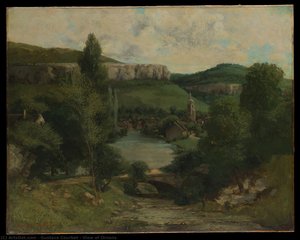
쿠르베는 단순히 현실을 모방하는 데 그치지 않고, 자신의 예술 철학을 작품에 담아내고자 했습니다. <화가의 작업실>(1855)은 그의 예술관을 가장 잘 보여주는 대표작 중 하나입니다. 이 작품은 쿠르베 자신을 중심으로 당시 사회의 다양한 인물들을 배치하여 자신의 예술 세계를 표현했습니다. 왼쪽에는 노동자, 농부 등 평범한 사람들이 묘사되어 있으며, 오른쪽에는 친구들과 후원자들이 등장합니다. 이러한 구도는 쿠르베가 중요하게 생각했던 가치를 보여줍니다. 그는 평범한 사람들의 삶과 현실을 예술의 중요한 주제로 삼았으며, 이를 통해 사회적 불평등에 대한 비판 의식을 드러냈습니다. 또한 <퐁텐블로 숲의 풍경>(1855)은 자연을 이상화하지 않고 있는 그대로 묘사하여 사실주의 화가로서의 면모를 보여줍니다. 그는 붓터치를 통해 나무의 질감과 빛의 변화를 섬세하게 표현하며, 자연의 아름다움을 진솔하게 담아냈습니다.미술사에 미친 영향과 역사적 의의
구스타브 쿠르베는 사실주의 미술을 창시하여 19세기 미술계에 큰 영향을 미쳤습니다. 그의 작품은 인상주의와 후기인상주의 화가들에게 새로운 영감을 제공했으며, 그들의 예술 세계를 형성하는 데 중요한 역할을 했습니다. 또한 쿠르베는 사회 비판적인 메시지를 담은 작품들을 통해 현대 미술의 방향을 제시했습니다. 그는 자신의 예술 활동을 통해 사회적 약자와 소외된 사람들의 목소리를 대변하고, 불평등한 현실에 대한 문제 의식을 고취했습니다. 1871년 파리 코뮌 사건에 참여하여 정치적인 탄압을 받기도 했지만, 그의 예술 정신은 꺾이지 않았습니다. 스위스 망명 생활 동안에도 그는 끊임없이 그림을 그렸으며, 자신의 예술 세계를 확장해 나갔습니다. 쿠르베의 삶과 작품은 오늘날까지도 많은 사람들에게 영감을 주고 있으며, 미술사에서 중요한 위치를 차지하고 있습니다.- 사실주의 미술 창시
- 인상주의 및 후기인상주의 화가에게 영향
- 사회 비판적인 메시지 전달

구스타브 쿠르베
1819 - 1877 , 프랑스
주요 정보
- 국적: 프랑스인
- 대표 작품:
- 돌 깨는 사람들
- 오르낭의 장례식
- 화가의 작업실
- 사망일: 1877년 12월 31일
- 영향을 받은 예술 사조:
- 인상주의
- 후기 인상주의
- 영향을 준 예술가:
- 레오나르도 다 빈치
- 루벤스
- 카라바조
- 예술 사조: 사실주의
- 전체 이름: 장 데지레 구스타브 쿠르베
- 출생일: 1819년 6월 10일
- 출생지: 오르낭, 프랑스
관련 기사 더 보기
구스타프 클림트 명작 25선: 황금빛 예술의 정수, 당신의 공간에 영감을 불어넣다
구스타프 클림트의 황홀한 명작 25선을 만나보세요. '키스'부터 '주디트'까지, 빈 분리주의를 대표하는 예술가의 삶과 작품 세계를 탐험합니다. 오스트리아 화가 클림트의 걸작으로 공간에 특별한 감성을 더하세요. OriginalUniqueArt.com에서 고품질 유화 복제를 만나보세요.
Gustave Courbet: Realism's Revolutionary Vision & the Social Canvas of 19th-Century France
Explore the revolutionary art of Gustave Courbet, pioneer of Realism. Discover his iconic paintings, social commentary, and lasting impact on 19th-century French art history. Expert analysis & insights.

Romantic Realism's Finest: 10 Masterpieces for Your Home | OriginalUniqueArt
Explore 10 defining masterpieces of Romantic Realism! Discover Courbet, Millet & Daumier's powerful paintings—capturing emotion and social realities. Find museum-quality reproductions for your home at OriginalUniqueArt.com.
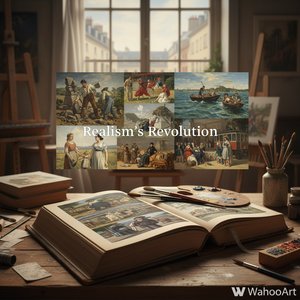
현실을 담은 거장의 붓! 리얼리즘 대표작 10선 | 와후아트
현실을 충실히 담아낸 리얼리즘 명작 10선! 쿠르베, 밀레 등 거장의 작품으로 미술사의 흐름을 만나보세요. 와후아트에서 고품질 예술 작품과 인테리어 영감을 얻고, 당신의 공간에 예술적 감성을 더하세요. 지금 바로 와후아트에서 모든 명작을 발견해보세요!

The Enduring Appeal of Realism: Technique, History & Emotional Impact
Explore the captivating world of 19th-century Realism! Discover key artists like Courbet & Millet, masterpieces, and its lasting impact on art history. Expert insights at OriginalUniqueArt.