 작품 구매하기
 공유하기
공유하기 공유하기
공유하기
 상세 정보
상세 정보

 다운로드
다운로드
 유사 작품
유사 작품 X-레이
X-레이 슬라이드 쇼
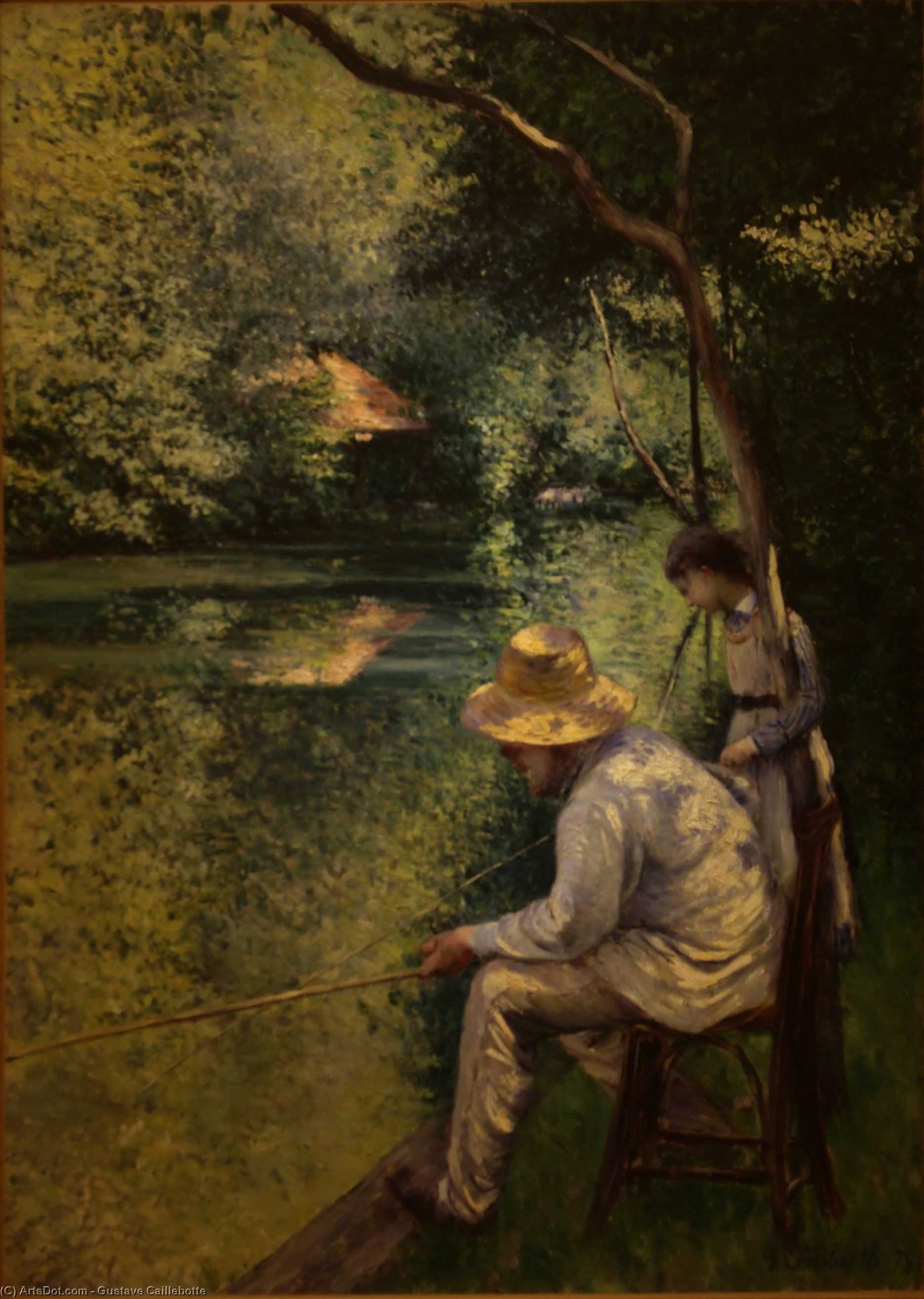
Angling
 Acrylic On Canvas
- WallArt
- Realism
 1878
1878- 19th Century
 100.0 x 75.0 cm
 더 보기
더 보기




P118B $10

P118H $10

P118W $10

P438Z $10

P508JH $12

P508YH $12

P805H $10

P805Z $10

P919BZ $10

P919G $10

P919XJ $10

P959ZH $10

P968JZ $12

W106C $8

W218G $10

W218JH $8

W218Y $10

W307PJ $10

W316G $10

W316PJ $8

W316Y $10

W398PJ $8

W4111J $10

W500HY $15

W500JH $15

W692G $12

W849H $8

W940BG $15

W953PJ $8




작품의 원본 비율을 유지하는 미리 설정된 크기 중에서 선택하세요.

특정 프레임이나 공간에 맞춰 직접 치수를 입력하실 수 있습니다. 선택하신 사이즈가 원본 이미지의 비율과 일치하지 않을 경우, 작품을 크롭(자르기)하거나 이미지를 대칭 또는 단색 채우기로 확장하여 제작합니다. 제작 시작 전, 최종 확인을 위해 디지털 목업이 전송됩니다.
화면상의 미리보기는 실제 크롭이나 확장 상태를 반영하지 않으므로, 최종 구도는 오직 목업을 통해서만 정확하게 확인하실 수 있습니다.
맞춤 사이즈 제작도 가능하지만, 원본 비율을 유지하기 위해서는 사전 정의된 목록에서 치수를 선택하시는 것을 권장합니다.


 유리 옵션은 110cm 미만 크기에서만 선택 가능합니다.

Angling
지클레 / 아트 프린트
복제본 크기
-


최종 결제 금액
-
작품 상세 설명
Gustave Caillebotte’s “Angling”: A Snapshot of Parisian Leisure
Angling, painted in 1878, offers a remarkably intimate glimpse into the burgeoning leisure culture of late nineteenth-century Paris. Executed by Gustave Caillebotte, a pivotal figure of the Impressionist movement yet distinctly his own, this work transcends a simple depiction of two individuals fishing; it’s a carefully constructed tableau that speaks volumes about social life, artistic innovation, and the evolving relationship between art and modernity.
- Subject Matter: The scene unfolds along the banks of a tranquil river, capturing a quintessential Parisian pastime – angling. Two figures, a man and a woman, are engaged in this activity, their postures relaxed and suggesting a shared moment of quiet enjoyment.
- Composition: Caillebotte’s masterful composition utilizes a shallow depth of field, characteristic of his engagement with photography, to draw the viewer into the scene. The placement of the figures, the strategically positioned chairs and bench, and the framing by the surrounding trees create a sense of immediacy and invite participation.
Technique and Artistic Innovation
Caillebotte’s technique is both precise and subtly impressionistic. He employs short, broken brushstrokes – a direct influence from his early fascination with photography – to render the textures of the riverbank, the clothing of the figures, and the foliage. The use of light and shadow is particularly noteworthy, creating a luminous quality that enhances the sense of atmosphere. Unlike many of his contemporaries who sought to capture fleeting moments in vibrant color, Caillebotte favors a more subdued palette, dominated by earthy tones – browns, greens, and blues – reflecting the natural environment.
His approach reflects a key shift within Parisian art circles at this time. While Impressionists were pushing boundaries with bold color and loose brushwork, Caillebotte demonstrated an ability to combine these influences with a rigorous attention to detail and perspective, reminiscent of academic training but filtered through a distinctly modern sensibility.
Historical Context and Symbolism
Painted in 1878, “Angling” reflects the growing importance of leisure activities within Parisian society. The rise of industrialization had created a new class of wealthy individuals who sought escape from the pressures of urban life. Fishing became a popular pastime, offering an opportunity for relaxation and social interaction. The inclusion of both a man and a woman suggests a depiction of bourgeois domesticity – a carefully constructed image of respectability and refinement.
Furthermore, Caillebotte’s interest in photography is evident in the painting's precise composition and attention to detail. This fascination with the medium would become increasingly central to his artistic practice, influencing his approach to subject matter, perspective, and ultimately, his unique visual language.
Emotional Impact and Aesthetic Value
“Angling” possesses a quiet charm that resonates deeply. It’s not a dramatic or overtly emotional scene, but rather one imbued with a sense of tranquility and understated beauty. The painting invites the viewer to contemplate the simple pleasures of life – the connection between people and nature, the pursuit of leisure, and the enduring appeal of a timeless activity. This 100 x 75 cm reproduction captures the essence of Caillebotte’s vision with exceptional fidelity, offering an ideal addition to any discerning collection or a captivating element for interior design.
작가 약력
파리의 새로운 시대: 귀스타브 카유보트의 삶과 예술
1848년 부유한 파리 가정에서 태어난 귀스타브 카유보트는 급변하는 도시의 역동적인 변화를 포착할 수 있는 독특한 위치에 있었다. 그의 아버지 마르티알 카유보트는 성공적인 섬유 사업을 상속받았고 판사로 재직하며, 귀스타브에게 경제적 안정을 제공했을 뿐만 아니라 번성하는 현대 세계를 관찰할 수 있는 시각을 선사했다. 처음에는 법학 연구에 매진하여 1868년과 1870년에 법학 학위를 취득했지만, 카유보트의 진정한 소명은 예술의 영역에 있었다. 그는 레옹 보나 밑에서 본격적인 미술 훈련을 시작하면서 동시에 사진에 깊은 관심을 갖게 되었는데, 이는 그의 예술적 비전에 심오한 영향을 미칠 새로운 매체였다. 이러한 초기 사진 원리에 대한 노출—구도, 관점 및 순간 포착—은 그의 독특한 스타일의 특징이 되었다. 카유보트는 변화를 단순히 기록하는 데 그치지 않고 그것이 제시하는 미학적 가능성에 적극적으로 참여했다.인상주의 빛으로 물든 사실주의
카유보트의 예술적 여정은 엄격한 학문적 전통에서 벗어났지만, 많은 인상주의 동료들의 순수한 시각 탐구를 완전히 수용하지는 않았다. 그는 에드가 드가와 주세페 데 니티스와 친밀감을 느끼며 현대 생활에 대한 매력을 공유했지만, 세심한 사실주의 렌즈를 통해 접근했다. 그의 초기 걸작 바닥을 긁는 사람들 (Les Raboteurs de Parquet), 1875년 살롱에서 전시되었을 때 즉시 대담하고 관습적인 화가로서의 명성을 확립했다. 이 작품은 세 명의 노동자가 나무 바닥을 꼼꼼하게 긁어내는 모습을 보여주는데, 일부 관객에게는 충격을 주었지만 다른 관객에게는 사로잡혔다. 단순한 주제—노동 계급은 고미술의 캔버스에 거의 등장하지 않았다—뿐만 아니라 구도 또한 그러했다. 잘린 듯하고 다소 당혹스러울 정도로 직접적이며 감상적인 이상화가 부족했다. 동시대 삶을 꾸밈없이 묘사하려는 이러한 노력은 철교와 같은 작품에서도 계속되었는데, 그는 빠르게 변화하는 파리의 산업 풍경을 능숙하게 포착했다. 그러나 카유보트는 인상주의의 영향에 면역이 되지 않았고 그의 팔레트는 점차 밝아졌으며 분위기 효과와 깨진 붓놀이를 실험하기 시작했는데, 이는 특히 눈으로 덮인 파리 지붕의 멋진 풍경에서 두드러졌다. 눈 속의 지붕 (View of Rooftops (Snow))과 같은 작품에서 분명하게 드러났다.후원자이자 선구자: 미술 세계를 탐색하다
카유보트는 자신의 예술적 노력 외에도 인상주의 운동을 지원하는 데 중요한 역할을 했다. 그의 재정적 독립 덕분에 그는 모네, 르누아르, 피사로, 세잔, 드가 등을 구매할 수 있었는데, 이는 당시 공식 살롱에서 대부분 거부당한 작품이었다. 그는 단순한 수집가가 아니었다. 그는 이러한 예술가들을 적극적으로 지지하고 기존의 미술 규범에 도전하는 여러 인상주의 전시회를 조직하고 자금을 지원했다. 이러한 혁신을 육성하려는 그의 헌신은 그가 죽은 후 프랑스 국가에 유산으로 남긴 컬렉션까지 확장되었는데, 이는 처음에는 저항을 받았지만 결국 오르세 미술관의 유명한 인상주의 소장품의 초석이 되었다. 카유보트의 독특한 관점은 그의 구성을 통해 드러났다. 1880년에 그린 위에서 본 대로의 거리 (Boulevard vu d’en haut)와 같은 작품은 놀라운 현대적 감각을 보여주는데, 높은 시점을 사용하고 20세기의 사진 관점을 예상하는 역동적인 구도를 채택했다. 일본 판화와 자신의 사진 실험에 영향을 받은 이러한 혁신적인 접근 방식은 그를 진정한 선구자로 자리매김했다.유산과 재발견: 되찾은 현대 거장
그의 죽음 이후 수십 년 동안 카유보트의 작품은 상대적으로 알려지지 않았고, 인상주의의 더 유명한 인물들에게 가려졌다. 20세기 후반에 이르러서야 학문적 연구와 주요 전시회를 통해 그의 예술에 대한 포괄적인 재평가가 시작되었다. 이 재발견은 놀라운 기술적 숙련도, 지적 깊이 및 선견지명을 가진 예술가를 드러냈다. 카유보트의 그림은 단순히 현대 생활을 묘사하는 것이 아니라 도시 존재의 복잡성, 변화하는 사회 환경 및 예술과 현실 간의 진화하는 관계에 대한 심오한 성찰이다. 사실주의와 인상주의 기술을 원활하게 결합하고 혁신적인 구성을 사용하며 주변 세계를 묘사하려는 그의 흔들리지 않는 노력은 그를 19세기 미술에서 중요한 인물로 확고히 했다. 오늘날 카유보트의 작품은 독특한 관점, 뛰어난 실행력 및 지속적인 관련성으로 찬사를 받고 있는데, 이는 새로운 시대의 정신을 담아내고자 감히 한 예술가의 증거이다.주요 작품
- 바닥을 긁는 사람들 (Les Raboteurs de Parquet) (1875): 카유보트의 사실주의와 관습적인 구성을 보여주는 획기적인 작품.
- 눈 속의 지붕 (View of Rooftops (Snow)) (1878): 사진과 일본 판화에 영향을 받은 그의 높은 시점과 분위기 효과 사용을 보여준다.
- 위에서 본 대로의 거리 (Boulevard vu d’en haut) (1880): 놀라운 현대적 구성을 가진 작품.
- 파리의 우천일 (Paris Street; Rainy Day) (1877): 독특하고 생생한 방식으로 파리 생활의 활기찬 에너지를 포착한 그의 가장 유명한 작품 중 하나.
- 베지크 게임 (The Bezique Game)(1881) : 파리의 여가를 사로잡은 매혹적인 인상주의 그림.

귀스타브 카유보트
1848 - 1894 , 프랑스
주요 정보
- Artistic Movement Or Style: 사실주의, 인상주의
- Artists Or Movements Influenced By This Artist: 인상주의
- Artists Who Influenced This Artist:
- 에드가 드가
- 주세페 데 니티스
- Date Of Birth: 1848년 8월 19일
- Date Of Death: 1894년 2월 21일
- Full Name: 귀스타브 카유보트
- Nationality: 프랑스인
- Notable Artworks (List Of Titles):
- 바닥 긁는 사람들
- 눈 덮인 지붕 풍경
- 비 오는 거리의 파리
- Place Of Birth (City And Country): 프랑스 파리
관련 기사 더 보기
뉴욕 메트로폴리탄 미술관 최고 걸작 25선: 예술의 정수를 만나다 | OriginalUniqueArt
뉴욕 메트로폴리탄 미술관 최고 걸작 25선을 만나보세요. 반 고흐, 모네 등 거장들의 숨겨진 이야기와 예술의 정수를 감상하세요. 홈 데코를 위한 명화 복제 작품은 OriginalUniqueArt에서! 지금 바로 컬렉션을 탐험하세요.

단테 가브리엘 로세티의 걸작 25선: 아름다움과 상징으로 물든 예술 세계 | OriginalUniqueArt
단테 가브리엘 로세티의 시대를 초월하는 걸작 25선을 만나보세요. 프레라파엘리트 운동의 정수를 담은 그림 속 아름다움과 상징을 탐험하고, OriginalUniqueArt에서 고품질 미술 작품으로 공간에 예술적인 감성을 더하세요. 지금 바로 컬렉션을 확인하세요!

제임스 애벗 맥닐 휘슬러 최고 걸작 25선: 예술의 정수, 공간에 스며드는 아름다움
제임스 애벗 맥닐 휘슬러의 최고 걸작 25선을 만나보세요. 야간 풍경부터 아랑미술관 소장품까지, 예술가의 삶과 작품 세계를 탐험합니다. 색채와 분위기가 완벽한 조화를 이루는 그림들을 OriginalUniqueArt.com에서 감상하고 특별한 공간을 완성하세요.
워싱턴 내셔널 갤러리 명작 25선: 예술의 정수를 담은 컬렉션 | OriginalUniqueArt
워싱턴 내셔널 갤러리의 숨겨진 명작 25점을 만나보세요. 모네, 세잔, 피카소 등 거장들의 예술 세계와 감동적인 스토리를 OriginalUniqueArt에서 경험하세요. 고품질 아트 프린트 & 인테리어 디자인 영감을 얻고, 당신의 공간에 예술을 더하세요! 지금 바로 OriginalUniqueArt.com에서 컬렉션을 탐험하세요.

Sir Alfred Munnings' Masterpieces: 25 Paintings That Define Equine Art | OriginalUniqueArt
Explore 25 iconic Sir Alfred Munnings paintings! Discover the beauty of British Impressionism, equine art & rural England. Find museum-quality reproductions and elevate your home decor with OriginalUniqueArt. Explore the full collection online.