프린트 판매로 전환
 더 보기
더 보기







































 가로 또는 세로 중 어느 한 면이라도 105cm(약 41인치)를 초과하는 작품이나 복제화의 경우, 프레임은 분해된 키트 형태로 배송됩니다. 이는 안전한 배송을 보장하고 운송 중 발생할 수 있는 손상을 방지하기 위함입니다.


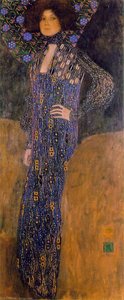
Litzlberg am Attersee: A Symphony of Light and Ornament
Gustav Klimt’s “Litzlberg am Attersee,” completed in 1915, stands as a quintessential emblem of Viennese Secessionist art – a movement that boldly rejected academic conventions in favor of expressive individualism and opulent decoration. More than just a landscape painting, it's an immersive experience rendered in shimmering gold leaf and intricate patterns, reflecting Klimt’s profound engagement with Symbolism and his masterful command of technique. Captured against the backdrop of Lake Attersee, Austria, this artwork embodies the spirit of its time—a period marked by artistic experimentation and a yearning for beauty amidst societal upheaval.- Subject Matter: The scene depicts a tranquil lakeside town nestled amongst verdant hillsides. Dominating the composition is the expansive lake surface, dotted with sailboats gliding across its waters. Scattered figures populate the shoreline and boats, conveying a sense of leisurely activity and connection to nature.
- Style & Technique: Klimt’s signature style—characterized by bold geometric shapes interwoven with organic motifs—is evident throughout “Litzlberg.” He employs a technique known as cloisonné enamel, meticulously applying gold leaf onto a canvas ground overlaid with textured paint layers. This painstaking process results in an astonishing visual richness and luminosity, capturing the ethereal quality of sunlight filtering through foliage.
Historical Context: Vienna Secession and Artistic Rebellion
“Litzlberg” emerged from the Viennese Secession movement, spearheaded by Klimt himself alongside artists like Josef Maria Olbrich and Emil Nolde. Dissatisfied with the conservative artistic landscape of Austro-Hungarian Empire, Secessionists sought to forge a new path—one rooted in artistic freedom and rejecting the rigid formalism of academic painting. They established their own gallery, Kunstsalon Secession, which served as a platform for challenging prevailing aesthetic norms and advocating for avant-garde ideas.
Symbolism & Decorative Ornamentation
Beyond its visual splendor, “Litzlberg” is imbued with symbolic significance. Klimt’s use of gold leaf—a tradition harking back to Byzantine mosaics—represents divine illumination and spiritual transcendence. The intricate floral patterns adorning the landscape contribute to a sense of harmony and beauty, mirroring the Secessionists' belief in art as a vehicle for conveying deeper emotional truths. The composition deliberately avoids realism, prioritizing expressive gesture and decorative embellishment over accurate depiction.
Emotional Impact & Artistic Legacy
"Litzlberg am Attersee" transcends mere representation; it evokes feelings of serenity, contemplation, and wonder. Klimt’s masterful manipulation of light and color creates a captivating visual illusion—a dreamlike panorama that invites the viewer to immerse themselves in its beauty. It remains a cornerstone of Secessionist art history and continues to inspire artists and designers today, demonstrating the enduring power of Symbolism and decorative ornamentation to communicate profound emotional resonance.
질의응답
클림트의 "Litzlberg am Attersee"과(와) 비슷한 느낌의 작품을 어떻게 찾을 수 있나요?
"Litzlberg am Attersee"와 유사한 작품들은 해당 작품의 유사한 작품들 페이지에서 확인하실 수 있습니다.
"Litzlberg am Attersee"에서 가장 눈에 띄는 색상은 무엇인가요?
"Litzlberg am Attersee"에서 가장 돋보이는 색상은 Gray (#708976)입니다. 작품의 주된 색상을 활용하면 인테리어와 더욱 조화롭게 연출할 수 있습니다.
클림트의 "Litzlberg am Attersee"에는 어떤 모습이 담겨 있나요?
"Litzlberg am Attersee"에 담긴 소재는 lake landscape, vienna secession, floral composition, boats, figures, ornamentation, symbolism입니다.
이 작품에 대해 더 알아보기
 미리보기
미리보기
 공유하기
공유하기 공유하기
공유하기
 상세 정보
상세 정보 가이드 보기

 다운로드
다운로드
 유사 작품 더 보기
 X-레이
X-레이 슬라이드 쇼 보기
 질의응답
질의응답 통계 정보
통계 정보